Get exclusive breakthroughs on sensors in IoT, energy, healthcare, and more, delivered straight to your inbox.
"IEEE Sensors Alert" is a new service of the IEEE Sensors Council. Started as one of its new initiatives, this weekly digest publishes teasers and condensed versions of our journal papers in layperson's language.
Articles Posted in the Month (June 2026)
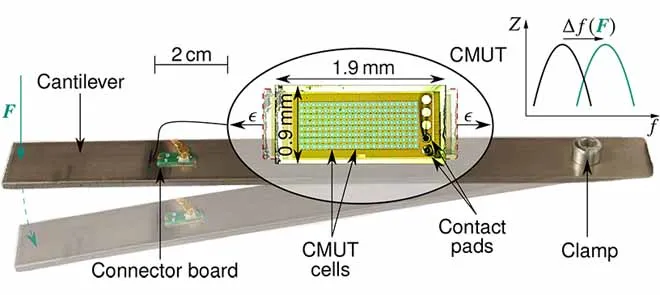
CMUT-Based Force Sensing
Author: Kupnik Mario, Bretthauer Christian, Dorsam Jan Helge, Haugwitz Christoph, Herbst Felix, Kim Yoojeong, Lee Hyunjoo J., Merbeler Fabian, Rutsch Matthias, Soennecken Soren, Suppelt Sven, Wiemer Elena, Wismath Sonja Katharina
Published in: IEEE Sensors Journal (Volume: 26, Issue: 2, January 2026)
Summary Contributed by: Mario Kupnik (Author)
Force-sensing technology plays a vital role in measuring mechanical force using sensors and transducers. This work introduces capacitive micromachined ultrasonic transducers (CMUTs) as a groundbreaking approach to force sensing, showcasing their advantages over conventional strain gauges. The sensing principle relies on detecting resonance frequency shifts caused by force-induced structural deformation, enabling precise frequency readout. Despite slightly lower uncertainty metrics, CMUTs offer superior scalability and integration potential for highly miniaturized applications
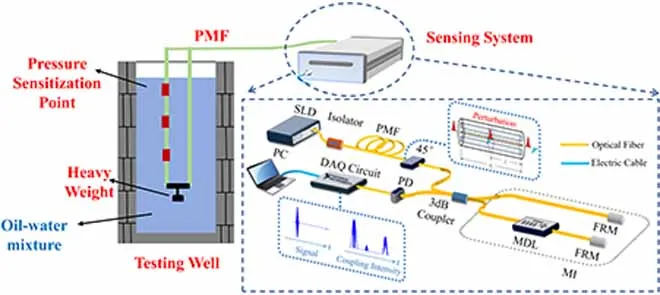
Distributed Stress Sensing in Polarization-Maintaining Fiber Under Circumferential Stress
Author: Zhang Hongxia, Jia Dagong, Li Tianyue, Li Zhihong, Liu Tiegen, Liu Yan, Song Rencheng, Zhang Bozhi
Published in: IEEE Sensors Journal (Volume: 26, Issue: 1, January 2026)
Summary Contributed by: Zhang Hongxia (Author)
Real-world engineering applications require continuous monitoring of structural stress. This study presents a distributed sensing method using Polarization-maintaining fiber (PMF) for circumferential stress monitoring via white-light interferometry, detecting subtle pressure changes around the fiber. Validated by 0–26 MPa pressure tank tests and 55 m downhole experiments, it demonstrated a linear response and 2.5 dB/MPa sensitivity, making it a robust solution for circumferential pressure sensing in extreme environments.
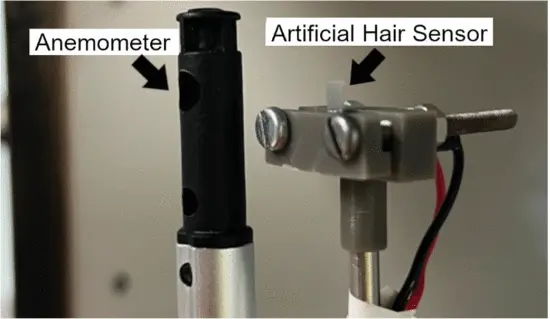
3D printing is revolutionizing the production of a wide range of sensors, allowing customization at a lower cost than conventional manufacturing techniques. This paper presents an artificial hair-like sensor (AHS) inspired by the flat hair-like mechanoreceptor of the adult Buthus occitanus scorpion. The sensor has been 3D-printed for airflow velocity measurements. Potential applications include meteorology, robotics and autonomous drones, biomedical engineering, flow cameras for multi-point measurements, and more.
Published in: IEEE Sensors Journal (Volume: 26, Issue: 1, January 2026)
Summary Contributed by: Mavrogiannis (Author)
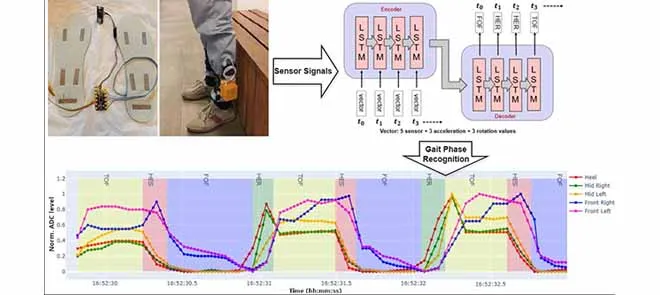
Gait analysis is crucial in diagnosing and managing mobility disorders. This study utilizes low-cost smart insoles with embroidered textile capacitive sensors and an inertial measurement unit (IMU) to recognize the four basic phases of the human gait cycle. It uses a long short-term memory (LSTM)-based neural network trained on collected data, achieving 90% accuracy and 87.1% F1 macro score across exercises with variable gait speeds, offering an affordable gait analysis solution.
Deep Learning-Integrated Agarose-Coated Micro-Loop Fiber Resonator for Relative Humidity Measurement
Author: Zain Huda, Qureshi Khurram Karim
Published in: IEEE Sensors Journal (Volume: 26, Issue: 1, January 2026)
Summary Contributed by: Huda Adnan Zain (Author)
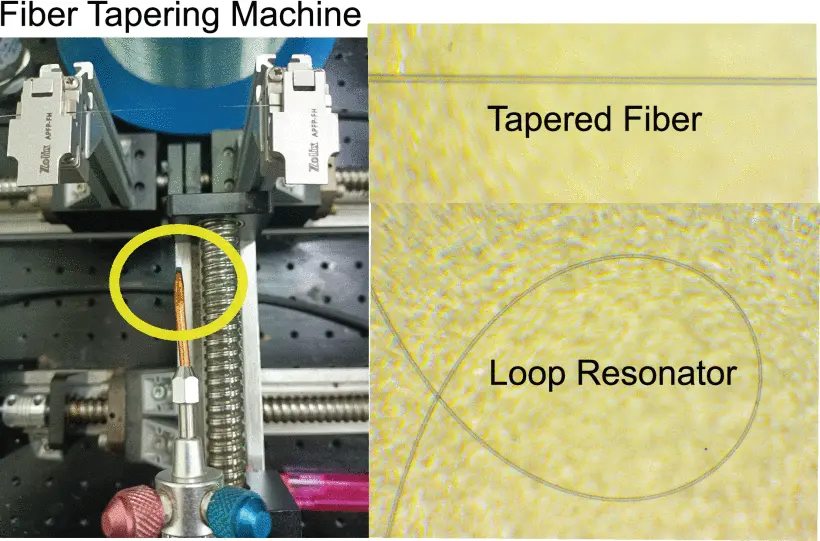
Fiber-optic humidity sensors, especially those with resonators, produce rich spectral data that leads to expensive, slow processing. This work integrates deep learning with an agarose-coated resonator sensor to address this challenge. The approach achieved a sensitivity of 0.2037 dB/%RH and a convolutional neural network (CNN) accuracy of ~98%. It highlights the potential of combining optical sensing with AI, offering a promising solution for environmental monitoring, healthcare, and real-time humidity tracking.
Unified Neural Network-Based Shape Sensing for Continuum Robots Using Fiber Bragg Gratings
Author: Dong Xin, Axinte Dragos, Elsayed Belal, Jones Simon D., Mohammad Abdelkhalick, Shi Hongshen, Wild Samuel, Zeng Tianyi
Published in: IEEE Sensors Journal (Volume: 26, Issue: 1, January 2026)
Summary Contributed by: Samuel Wild (Author)
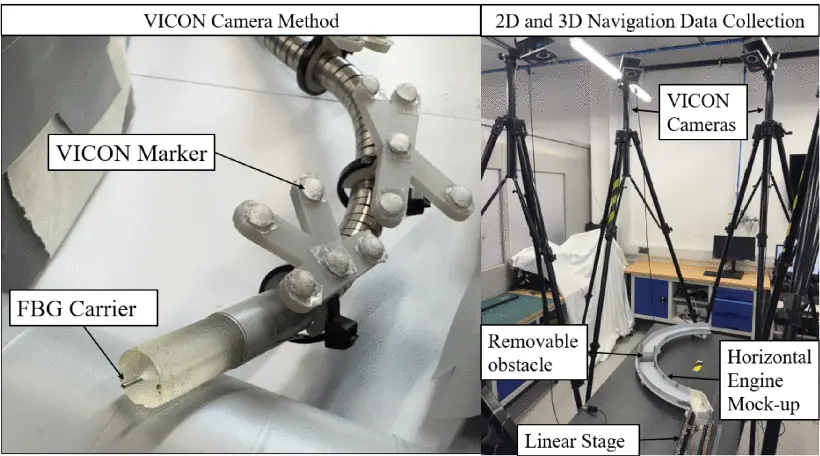
Continuum robots (CRs) or miniaturised robotic snakes need to know their own shape to navigate accurately in confined spaces. Fibre Bragg grating (FBG) sensors offer a path, but deployable straight-core versions often suffer from twist-induced inaccuracies. This paper presents a shape-sensing method using FBG technology combined with a neural network to correct these errors. Validated across two robots of different sizes, it enables real-time, camera-free shape sensing.
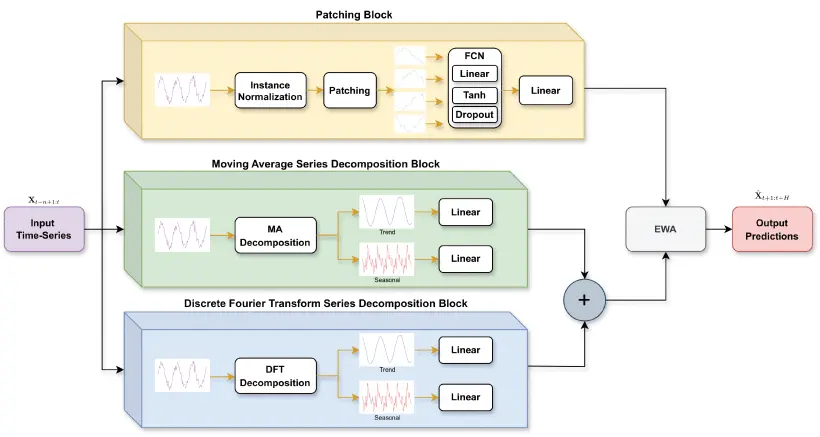
Analysing past patterns in machine data within industrial settings can enhance predictive maintenance and improve overall equipment effectiveness (OEE). This study presents a lightweight late-fusion soft sensor model that benchmarks a deep learning forecasting approach using real manufacturing data. It compares various popular techniques and combines multiple models to increase accuracy. This method provides more reliable predictions, enhances performance, minimizes downtime, and boosts efficiency in complex, real-world factory environments.
Foreground Attention Loss and Attention-Guided Convolution for Remote Sensing Object Detection
Author: Tian Hongxian, Li Yunyue, Liu Jueting, Wang Zehua, Wang Zilong, Xu Tingting, Xu Zishan, Yang Wei, chen wei
Published in: IEEE Sensors Journal (Volume: 26, Issue: 1, January 2026)
Summary Contributed by: Zilong Wang (Author)
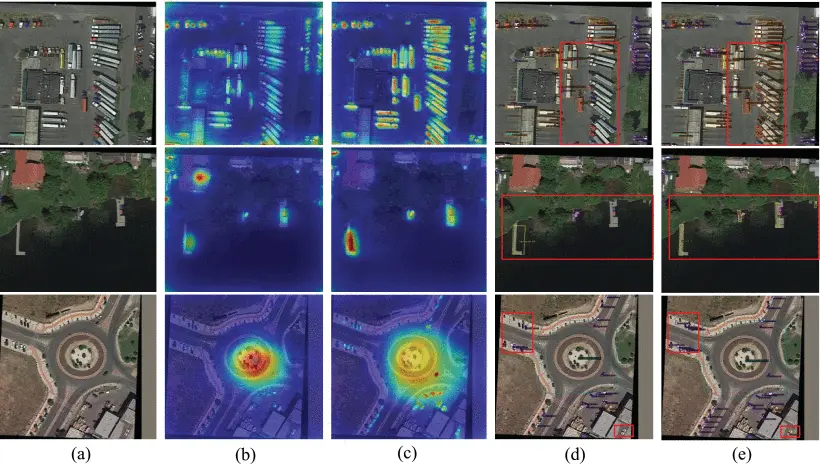
Object interpretation in satellite or aerial images is challenging due to small size, complex backgrounds, indistinguishable features, and varying orientations. Enhancing remote-sensing images can significantly improve their applications in fields like agriculture, urban planning, military surveillance, and disaster response. This paper introduces a lightweight discover→focus approach: Foreground Attention Loss learns an object-density attention map, and Attention-Guided Convolution shifts sampling toward foreground without extra offset branches, substantially improving accuracy with minimal overhead.
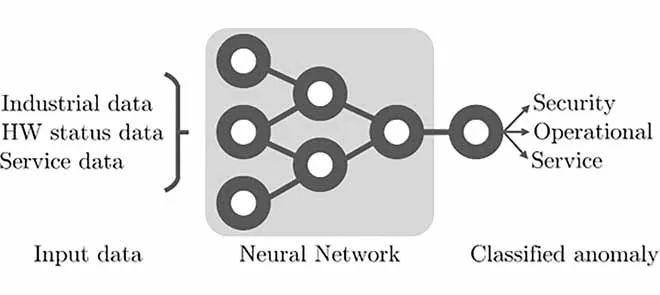
Anomaly Detection in Industrial Networks: Current State, Classification, and Key Challenges
Author: Kuchar Karel, Fujdiak Radek
Published in: IEEE Sensors Journal (Volume: 25, Issue: 3, February 2025)
Summary Contributed by: Fynn Foerger (Author)
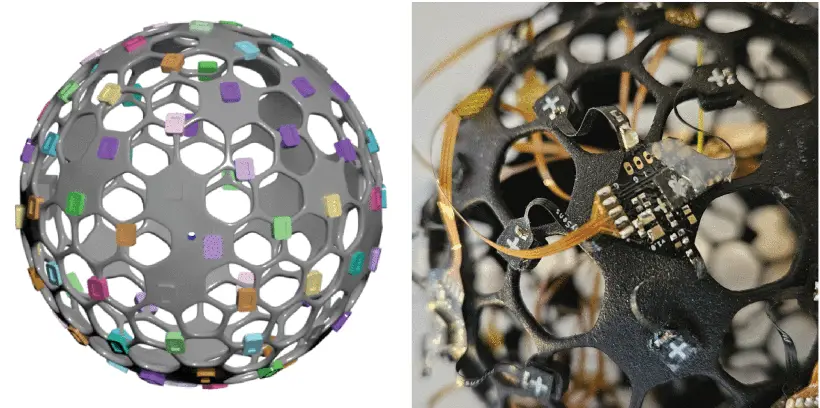
Magnetic field measurements play a crucial role in medical diagnostics, industrial monitoring, electronic testing, and scientific research. However, traditional volumetric magnetic field measurements can be challenging and time-consuming. This research introduces a 3D magnetic field camera concept featuring surface-mounted sensors that captures detailed magnetic field patterns in under one second. This device can reconstruct magnetic fields at 10 Hz using physics-based methods, opening new opportunities in field validation and generation.
Published in: IEEE Sensors Journal (Volume: 26, Issue: 1, January 2026)
Summary Contributed by: Fynn Foerger (Author)
Magnetic field measurements play a crucial role in medical diagnostics, industrial monitoring, electronic testing, and scientific research. However, traditional volumetric magnetic field measurements can be challenging and time-consuming. This research introduces a 3D magnetic field camera concept featuring surface-mounted sensors that captures detailed magnetic field patterns in under one second. This device can reconstruct magnetic fields at 10 Hz using physics-based methods, opening new opportunities in field validation and generation.
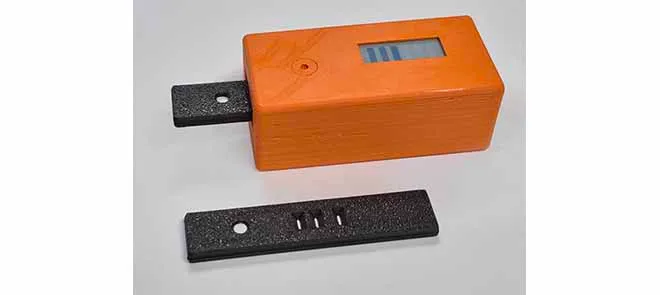
Semiquantitative Lateral Flow Assay Using a Handheld Device With a Transmissive Readout
Author: Nguyen Daniel, Aikio Sanna, Hiltunen Jussi, Jaaskelainen Iida, Le Duc, Liedert Christina, Mursula Anu
Published in: IEEE Sensors Journal (Volume: 26, Issue: 2, January 2026)
Summary Contributed by: Daniel Nguyen (Author)
Lateral flow assay (LFA), commonly used in COVID or pregnancy test kits, is usually qualitative, giving either a positive or negative result. This research introduces a handheld optoelectronic reader that shines light through the test strip instead of reflecting it off the surface. It boosts the detectable signal by 82% and enables concentration estimates with less than 3% variability, providing fast, reliable point-of-care testing suitable for various health monitoring applications.
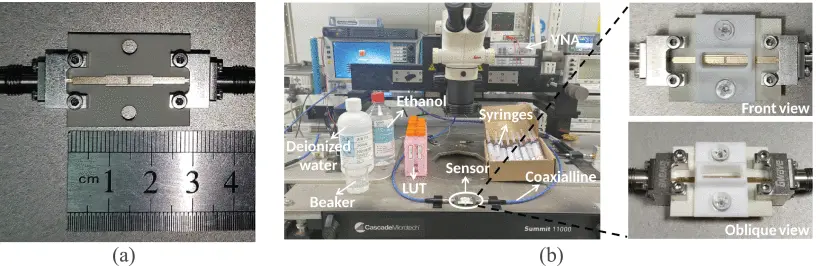
A High-Sensitivity Microwave Sensor Based on Unequal-Width Three-Coupled Lines for Characterizing the Permittivity of Liquids
Author: Su Guo-dong, Le Yi, Li Yu-He, Liu Jun, Sun Lingling
Published in: IEEE Sensors Journal (Volume: 26, Issue: 1, January 2026)
Summary Contributed by: Yu-He Li (Author)
Microwave sensors are essential in various areas, including chemical analysis, quality control, biosensing, and industrial applications. However, in sensors, achieving both a wide detection range of permittivity and high sensitivity is challenging. This study introduces a sensor featuring an unequal-width three-coupled-line configuration. The enhanced fringe field, resulting from the width disparity between the central and side lines, significantly improves sensitivity and provides exceptional resolution, making it an efficient solution for liquid analysis.
A Stretchable, Skin-Adhesive FBG-Based Wearable Sensor for Human Health Monitoring: From Vital Signs to Biomechanical Activity
Author: Schena Emiliano, Condo Ilaria, Giannitelli Sara Maria, Lo Presti Daniela, Trombetta Marcella
Published in: IEEE Sensors Journal (Volume: 26, Issue: 1, January 2026)
Summary Contributed by: Schena Emiliano (Author)
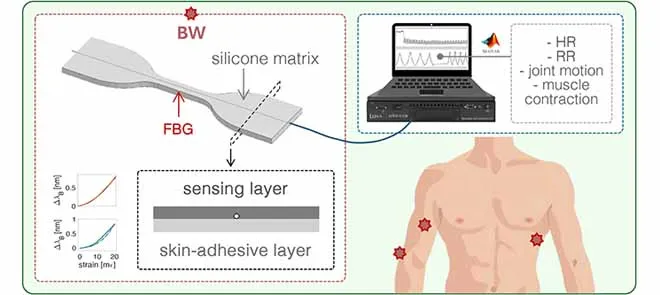
Measurement accuracy and user comfort are key requirements in wearable systems. This research introduces a device that integrates a fiber Bragg grating (FBG) sensor within a flexible silicone bilayer matrix designed to adhere directly to the human skin and conform to its shape. The effective deformation transfer between the skin and the sensor makes the proposed system a promising solution for healthcare monitoring while ensuring user comfort.
High-Performance THz Nanometamaterial Absorber With Negative Permittivity (0.1–10 THz) for Early Cancer Detection via Circulating Exosomes
Author: Mohammad Alibakhshikenari, Hamza Musa, Islam Md. Shabiul, Islam Mohammad Tariqul, Farmani Ali, Iffat Naqvi Syeda, Koziel Slawomir, Lavadiya Sunil, Miah MD. Sipon, Panda Abinash, Parand Peiman, Sanches Bruno, Virdee Bal S., Ud Din Iftikhar
Published in: IEEE Sensors Journal (Volume: 25, Issue: 18, September 2025)
Summary Contributed by: Anupama
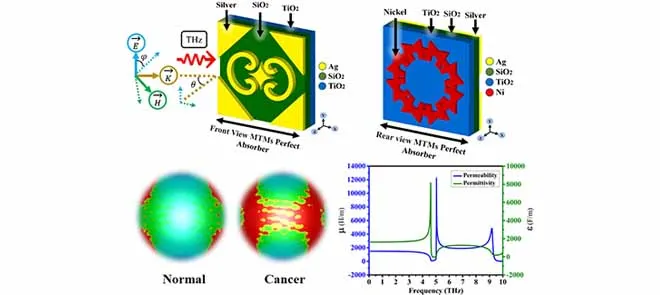
Circulating exosomes are nanoscale vesicles secreted by cells that carry early cancer biomarkers in the blood. This paper introduces a high-performance terahertz (THz) nanometamaterial absorber with negative permittivity across 0.1-10 THz for ultrasensitive detection of cancerous circulating exosomes, distinguishing them from normal ones. The label-free approach demonstrates noninvasive, fast cancer detection with high sensitivity and precision, setting a new benchmark in biomedical sensing that could transform global oncology outcomes.
OmniSense v2: A Human-Skin-Inspired Visuotactile Sensor for Unified Tactile Imaging
Author: See Aaron Raymond, Tiong Thad Jacob T.
Published in: IEEE Sensors Journal (Volume: 25, Issue: 22, November 2025)
Summary Contributed by: Aaron Raymond See (Author)
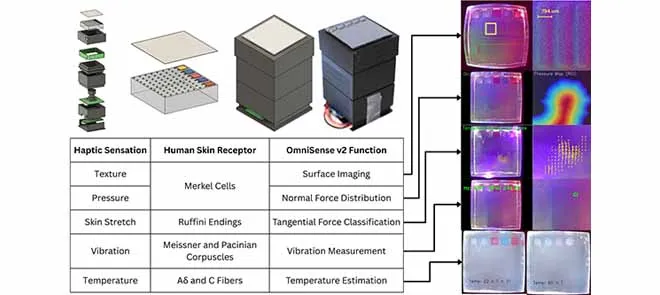
Human skin can simultaneously sense various stimuli through specialized receptors. OmniSense v2 incorporates these sensory features into a compact, human-skin-inspired visuotactile sensor. It delivers multimodal tactile imaging without reconfiguration through an engineered sensing skin, controlled illumination, and vision-based processing. This technology demonstrates the ability to capture fine details, accurately sense tangential force, and detect temperature-state, showing potential to replicate the sensitivity of human touch in robotics and smart devices.
The sense of touch has a different significance in the human body than other senses, like hearing, sight, smell, and taste. The dexterous use of our hands for touch depends on the intelligent use of tactile perception. However, robotic hands lack the same level of dexterity as human hands. The researchers are working to develop methods to simulate the capabilities of the human sense of touch in machines.
The MEMS-based micro hotplate gas sensors are small and mass-producible with excellent performance compared to traditional ceramic tube sensors. Energy efficiency is a crucial parameter of portable, reliable sensors. Heat loss significantly increases the power consumption of hotplates. To optimize energy consumption and efficiency, an analytical study of heat loss in different parts of sensor parts and their remedies through fabrication methods is presented.
A non-profit organization, IEEE is the world's largest technical professional organization dedicated to advancing technology for the benefit of humanity.
Copyright 2023 IEEE – All rights reserved. Use of this website signifies your agreement to the IEEE Terms and Conditions
This site is also available on your smartphone.