Get exclusive breakthroughs on sensors in IoT, energy, healthcare, and more, delivered straight to your inbox.
"IEEE Sensors Alert" is a new service of the IEEE Sensors Council. Started as one of its new initiatives, this weekly digest publishes teasers and condensed versions of our journal papers in layperson's language.
Articles Posted in the Month (August 2023)
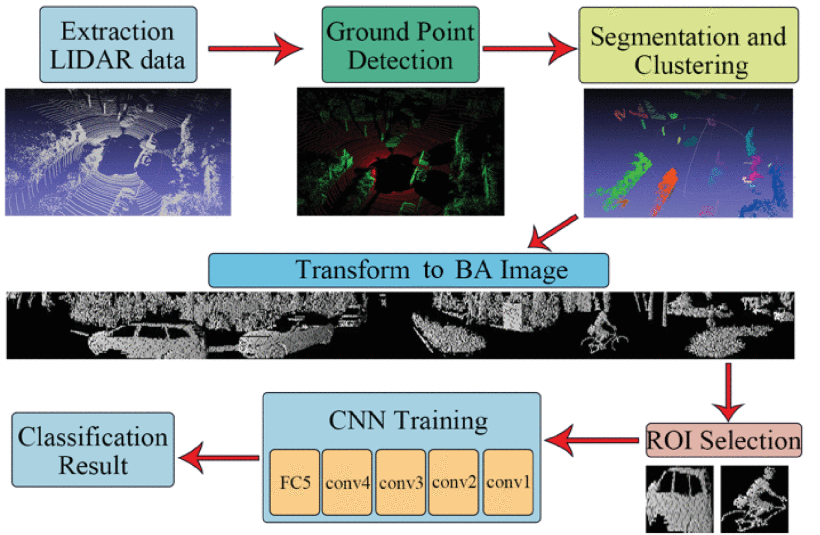
CNN-Based Classification for Point Cloud Object With Bearing Angle Image
Published in: IEEE Sensors Journal (Volume: 22, Issue: 1, January 2022)
Summary Contributed by: Anupama
Currently available 3D object classifiers combine point clouds and color images. They use complex models requiring an enormous memory to store their parameters. An efficient alternative method is proposed that utilizes information solely from point clouds. The point cloud objects are converted into bearing angle (BA) images and then classified by convolutional neural networks. This method achieves high accuracy while using significantly less time and memory.
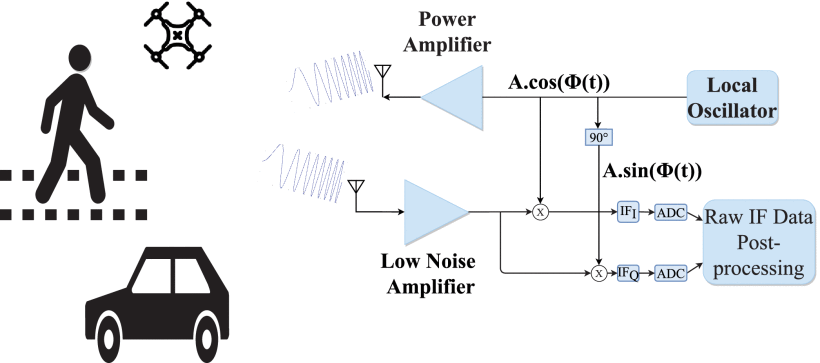
The researchers present a novel target classification technique incorporating mmWave radar and deep learning models to classify moving objects. The system provides a wide field of view by orienting the antenna in elevation and rotating it in the horizontal field. With 97 – 99 % accuracy, the proposed classification technique is a cost-effective and dependable system for a wide range of autonomous applications.
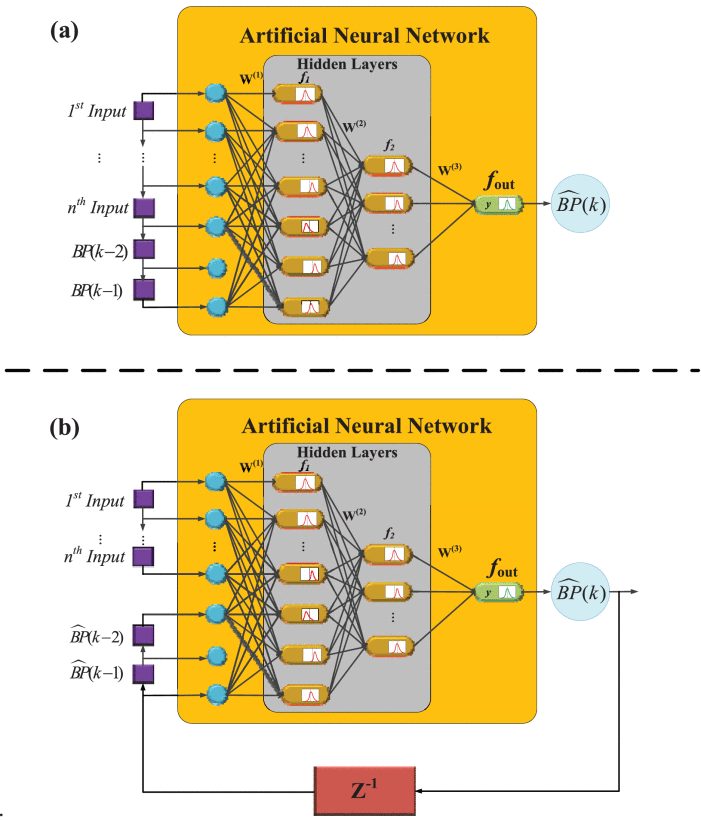
The Machine Learnings Leading the Cuffless PPG Blood Pressure Sensors Into the Next Stage
Author: Paul C.-P. Chao, Chih-Cheng Wu, Duc Huy Nguyen, Ba-Sy Nguyen, Pin-Chia Huang, Van-Hung Le
Published in: IEEE Sensors Journal (Volume: 21, Issue: 11, June 2021)
Summary Contributed by: E.V.V. Hari Charan
Regular blood pressure (BP) monitoring helps in managing Cardiovascular diseases. Recent works on machine learning based on measured photoplethysmogram (PPG) waveforms have shown a strong possibility of estimating blood pressure by cuffless devices, such as recursive neural networks (RNN), long short-term memory (LSTM), etc. The challenge lies in the successful commercialization of cuffless BP sensors.
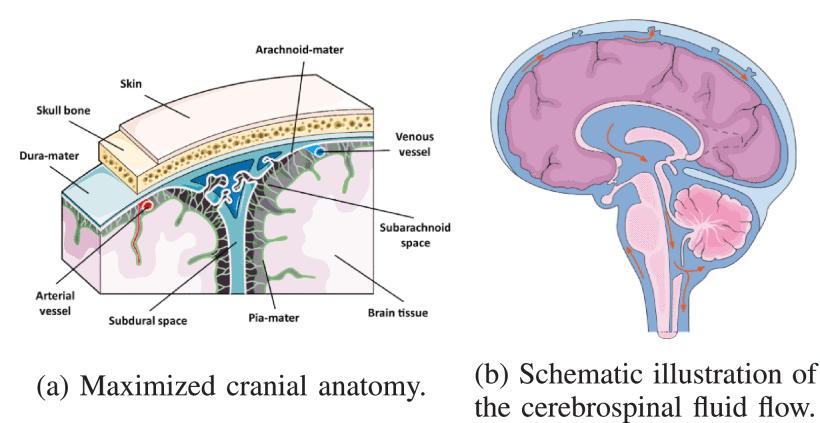
A Nanometer Resolution Wearable Wireless Medical Device for Non Invasive Intracranial Pressure Monitoring
Author: Rodrigo de A. P. Andrade, Helder Eiki Oshiro, Caio Kioshi Miyazaki, Cintya Yukie Hayashi, Marcos Antonio de Morais, Rodrigo Brunelli, João Paulo Carmo
Published in: IEEE Sensors Journal (Volume: 21, Issue: 20, October 2021)
Non-invasive intracranial pressure monitoring (NIICP) by measuring skull deformation has been studied extensively for assessing intracranial pressure and compliance. The researchers used this principle to design a novel wireless sensor. The proposed sensor is small, portable, cost-effective, and highly sensitive. It offers a more accurate clinical evaluation of intracranial dynamics and has the potential for a wide range of applications.
Published in: IEEE Sensors Journal (Volume: 21, Issue: 18, September 2021)
Summary Contributed by: Anupama
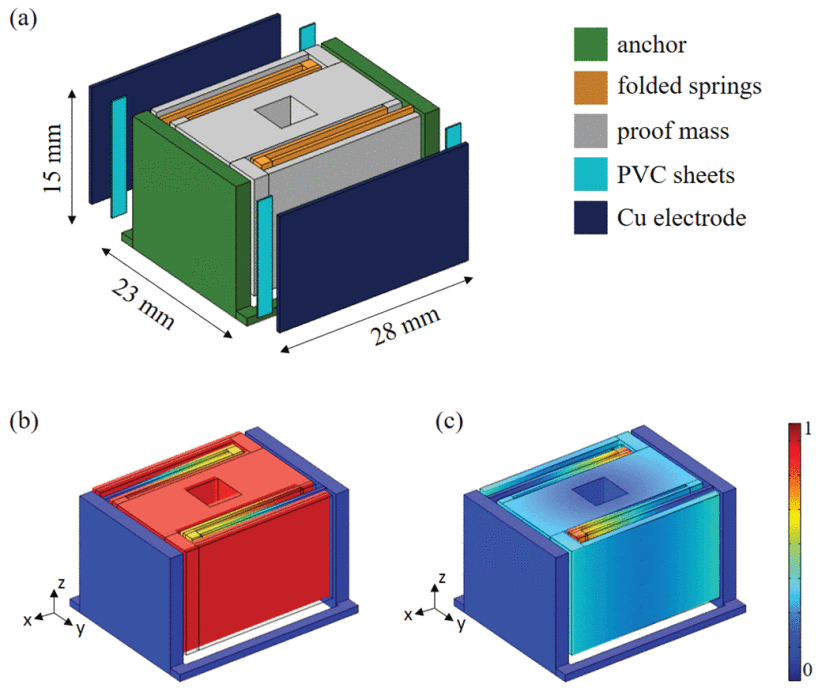
3D printing has emerged as a novel fabrication process for producing customized sensors at low cost. A uniaxial Ti6Al4V alloy accelerometer prototype was designed and fabricated using the Laser Powder Bed Fusion (L-PBF) technique. With micro dimensions and comparable differential sensitivity, the proposed prototype showcases a new genre of 3D-printed metal sensors which are low-cost, customizable, efficient, and durable.
Published in: IEEE Sensors Journal (Volume: 21, Issue: 11, June 2021)
Summary Contributed by: Sheng-Kai Yeh (Author)
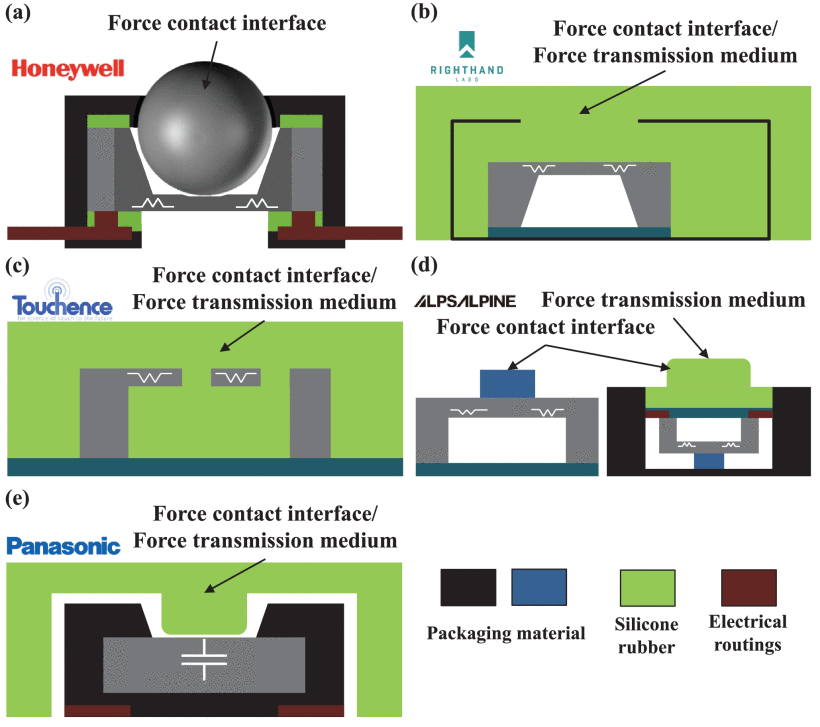
The tactile force sensor is the key enabling device for machines to interact with humans and objects. Due to the growing demand for smart-machine, metaverse, gaming, etc., miniaturized tactile force sensing chips have attracted attention and have also been developed through different detection and process technologies. The paper summarizes various tactile force sensors designed and fabricated based on the semiconductor CMOS processes.
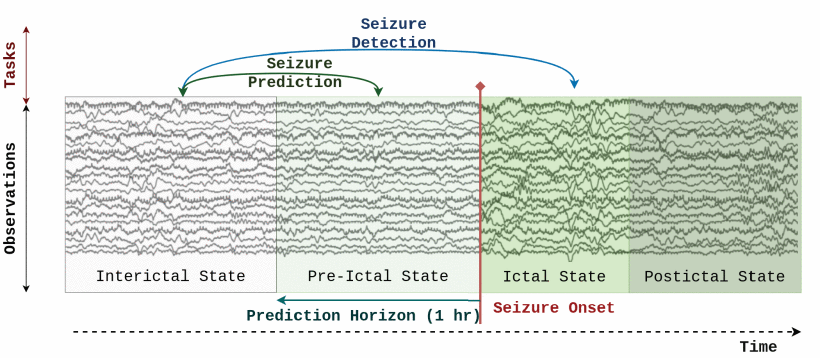
Epilepsy is one of the most prevalent neurological diseases among humans. It can lead to severe brain injuries, strokes, and brain tumors. Early detection of seizures is critical to improving the day-to-day lives of patients. The researchers propose two deep learning approaches, using EEG data as input, which can detect epileptic seizures one hour before they occur.
Colon Cancer Detection by Designing and Analytical Evaluation of a Water-Based THz Metamaterial Perfect Absorber
Author: Zohreh Vafapour, William Troy, Ali Rashidi
Published in: IEEE Sensors Journal (Volume: 21, Issue: 17, September 2021)
Summary Contributed by: Anupama
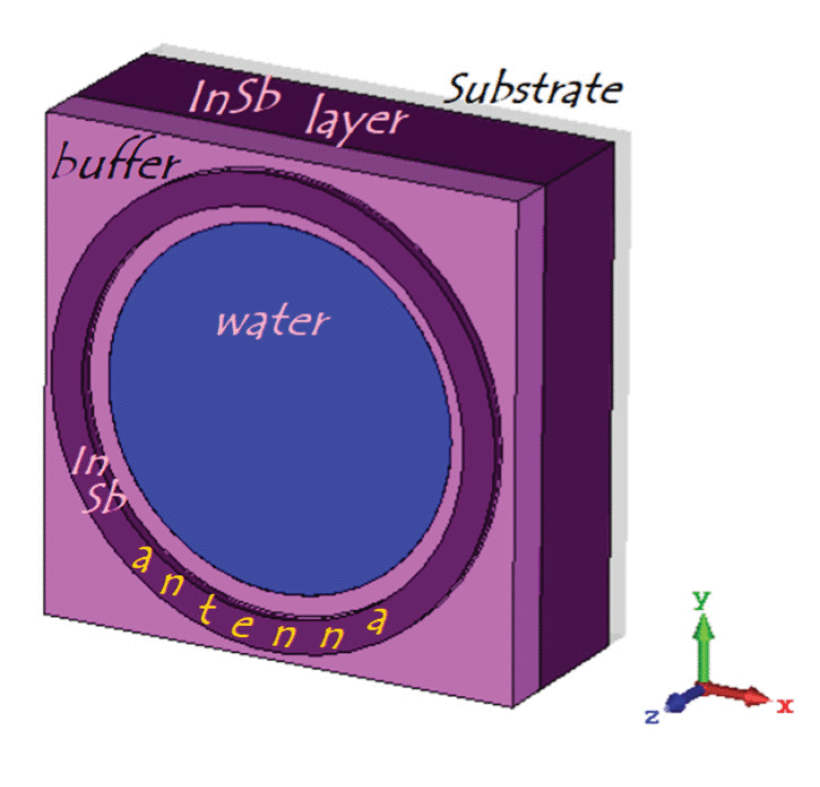
Early detection of colon cancer is vital for patient survival. The researchers propose a novel device for the detection of colon cancer using terahertz electromagnetic waves. The device detects differences in water concentration within healthy and cancerous colon tissues by using surface plasmon polaritons (SPP). It shows potential as a less invasive, safer, faster, and early detection procedure for colon cancer.
IoT Enabled, Leaf Wetness Sensor on the Flexible Substrates for In-Situ Plant Disease Management
Author: Kamlesh S. Patle, Riya Saini, Ahlad Kumar, Sandeep G. Surya, Vinay S. Palaparthy, Khaled N. Salama
Published in: IEEE Sensors Journal (Volume: 21, Issue: 17, September 2021)
Summary Contributed by: Margi Hingrajia
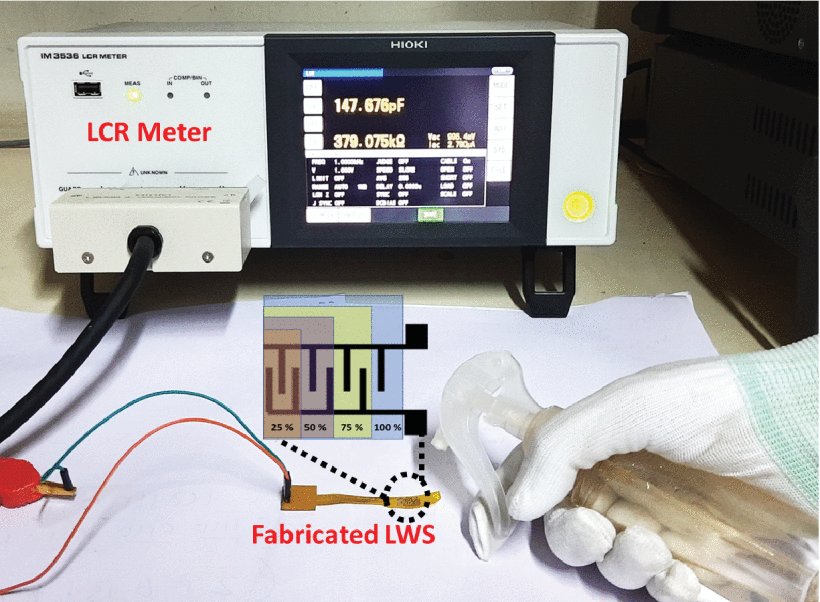
Early detection of plant diseases can prevent crop failure. The Leaf wetness duration (LWD) that leads to fungal infections is a major concern among farmers. Using LWD as a parameter, researchers developed disease detection models with an Internet of Things (IoT)-enabled leaf wetness sensor (LWS) prototype fabricated on flexible substrates. Researchers tested the prototypes on medicinal plants. The prototype made comparatively accurate, precise, and early disease predictions.
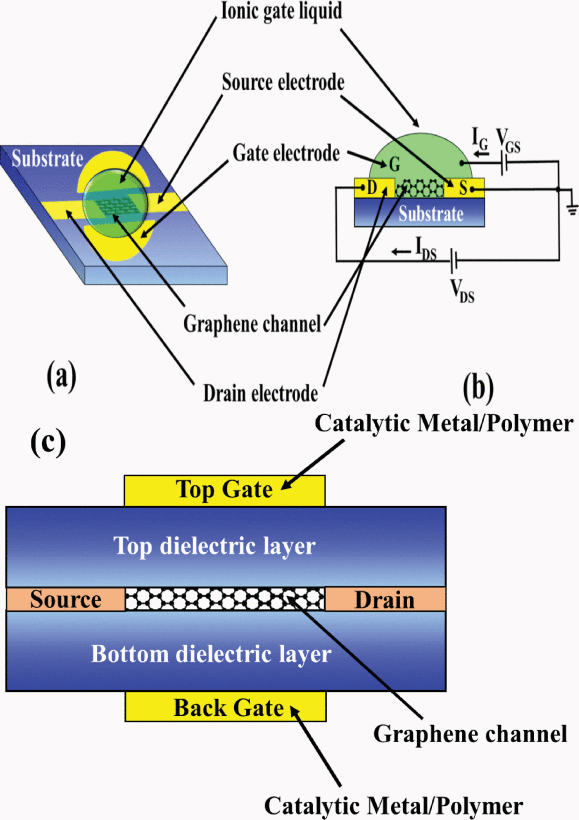
Graphene and graphene derivative-based field effect transistor (FET) gas sensors are the most recent inclusion in the gas sensor family, having enormous potential to detect a wide variety of oxidizing and reducing target species with high sensitivity. The researchers adopted various strategies to improve the different performance index of the sensor either at the fabrication/device stage or at the operational/measurement technique level.
Determination of Salinity and Sugar Concentration by Means of a Circular-Ring Monopole Textile Antenna-Based Sensor
Author: Mariam El Gharbi, Marc Martinez-Estrada, Raúl Fernández-García, and Ignacio Gil
Published in: IEEE Sensors Journal (Volume: 21, Issue: 21, November 2021)
Summary Contributed by: Kamalesh Tripathy
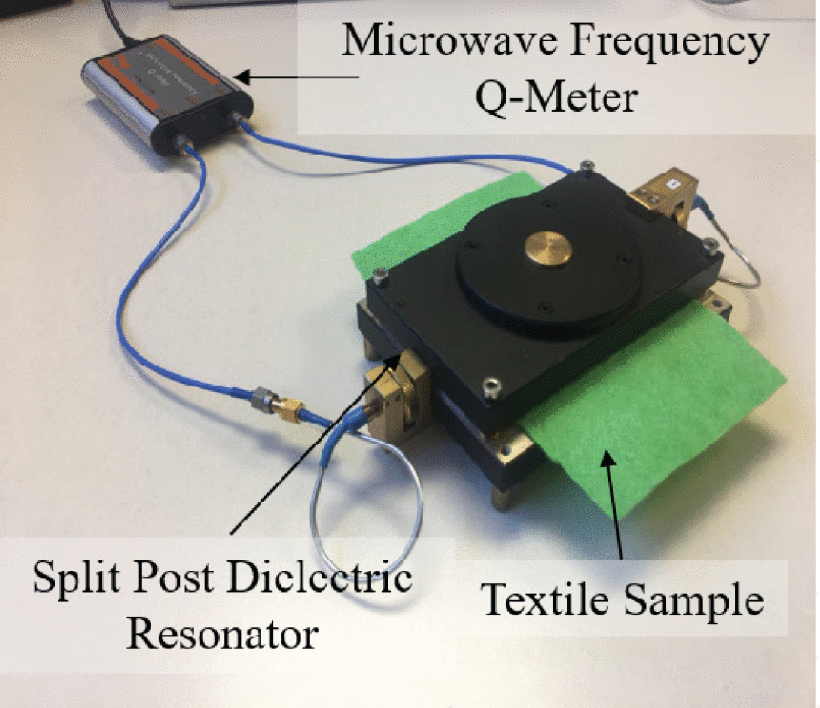
Excessive sugar and salt in the diet are harmful to health. A wearable antenna sensor with real-time sugar and salt monitoring could help monitor salt and sugar intake. The researchers here propose an e-textile-based monopole antenna sensor prototype for it. The simple fabrication process, compact size, and high sensitivity make the prototype ideal for a blood sugar or sodium sensor.
Published in: IEEE Sensors Journal (Volume: 21, Issue: 13, July 2021)
Summary Contributed by: Vahid Khojasteh Lazarjan (Author)
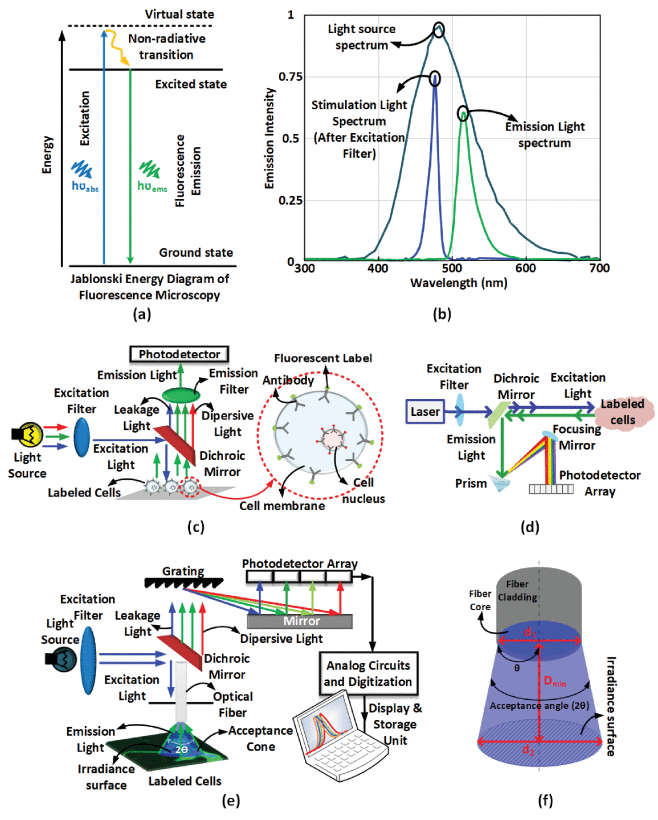
The portable Point-of-care (POC) devices that can detect diseases will revolutionize healthcare. The researchers propose a miniature wireless cell fiber-spectrophotometer prototype for real-time bio-markers detection and diagnostic support outside the laboratories. The low-power and lightweight spectrometer can identify biomarkers, such as tagged proteins or genetic materials, even in small samples. It promises effective point-of-care solutions for rapid testing of infectious diseases like SARS-CoV-2 or cancer.
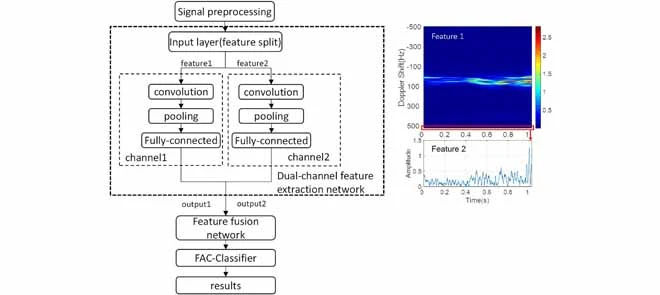
False-Alarm-Controllable Radar Detection for Marine Target Based on Multi Features Fusion via CNNs
Author: Xiaolong Chen, Ningyuan Su, Yong Huang, Jian Guan
Published in: IEEE Sensors Journal (Volume: 21, Issue: 7, April 2021)
Summary Contributed by: Shradha Makhija
Sea surface target detection is vital for maritime security, surveillance, and rescue operations. The complexity of the marine environment makes it difficult to achieve robust, reliable, and adaptive target detection. Deep learning methods show better feature extraction ability and classification accuracy. The study proposes a new approach to marine target detection in complex background conditions using marine dual-channel convolutional neural networks (MDCCNN) with a false-alarm controllable classifier (FACC).
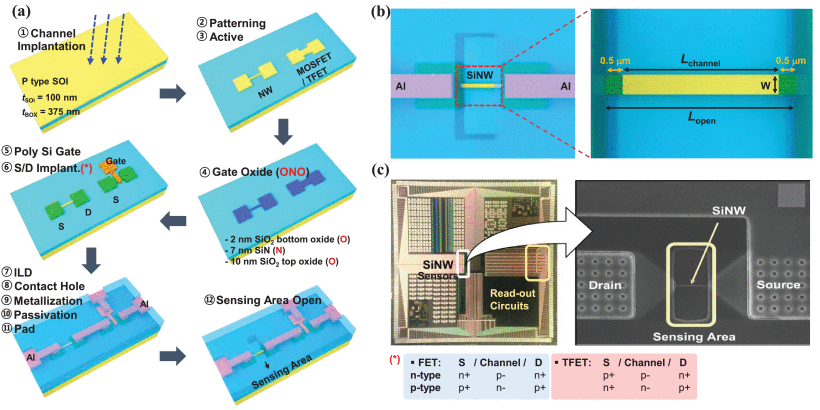
Multiplexed Silicon Nanowire Tunnel FET-Based Biosensors With Optimized Multi-Sensing Currents
Author: Sihyun Kim, Ryoongbin Lee, Daewoong Kwon, Tae-Hyeon Kim, Tae Jung Park, Sung-Jin Choi, Hyun-Sun Mo, Dae Hwan Kim, Byung-Gook Park
Published in: IEEE Sensors Journal (Volume: 21, Issue: 7, April 2021)
Summary Contributed by: Sihyun Kim (author)
Multiplexed sensing is an efficient approach for diagnosing and monitoring progressive diseases like cancer. This paper implements the independent detection of two different biomolecules in a novel single tunnel field-effect transistor (TFET) sensor. Since this new sensor can be perfectly co-integrated with complementary metal–oxide–semiconductor (CMOS) read-out circuits by state-of-art industry CMOS process, the mass production of CMOS-based biochips for multiplexed sensing is possible.
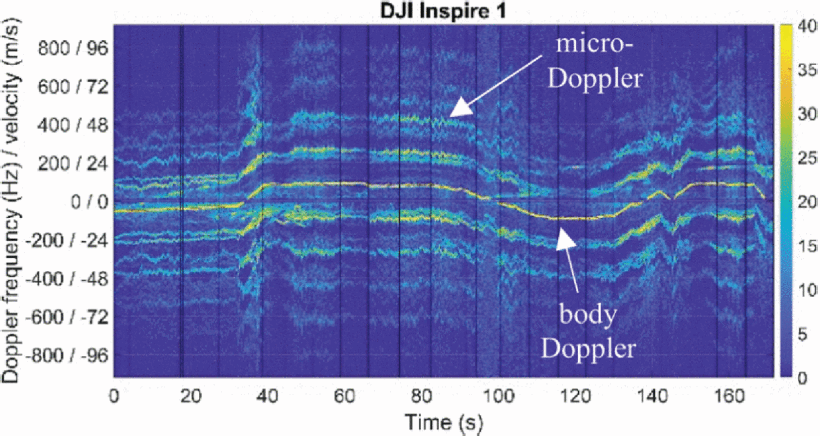
Micro-Doppler Based Target Recognition With Radars: A Review
Author: Ali Hanif, Muhammad Muaz, Azhar Hasan, Muhammad Adeel
Published in: IEEE Sensors Journal (Volume: 22, Issue: 4, February 2022)
Summary Contributed by: Anupama
Radar detection of smaller targets requires lowering the radar cross-section and velocity thresholds. With it, an abundance of target signatures gets generated, making it necessary to classify only relevant targets. Micro-motions of targets are significant characteristics. Micro-Doppler signatures have emerged as an effective method of classifying such targets. The study presents a systematic review of various micro-Doppler-based radar target signature analysis and classification techniques.
Human Activity Recognition (HAR) is a field that recognizes human activities from raw time-series signals acquired through embedded sensors of smartphones and wearable devices among others. Deep learning networks modeled after neural network of human brain are widely used in HAR system to retrieve and classify distinct activities. AT present they can accurately recognize simple human activities which make them very useful in Smartphone HAR systems.
Smart and precise irrigation planning plays a crucial role in preventing excess water usage and waste. Various machine learning-based irrigation models have been proposed. However, the proposed models should consider unpredictable climate changes. The researchers propose an intelligent neural network model considering the historical temporal dynamics of soil and climate. The prototype efficiently predicts volumetric water demand one day in advance.
A non-profit organization, IEEE is the world's largest technical professional organization dedicated to advancing technology for the benefit of humanity.
Copyright 2023 IEEE – All rights reserved. Use of this website signifies your agreement to the IEEE Terms and Conditions
This site is also available on your smartphone.