Get exclusive breakthroughs on sensors in IoT, energy, healthcare, and more, delivered straight to your inbox.
"IEEE Sensors Alert" is a new service of the IEEE Sensors Council. Started as one of its new initiatives, this weekly digest publishes teasers and condensed versions of our journal papers in layperson's language.
Articles Posted in the Month (January 2023)
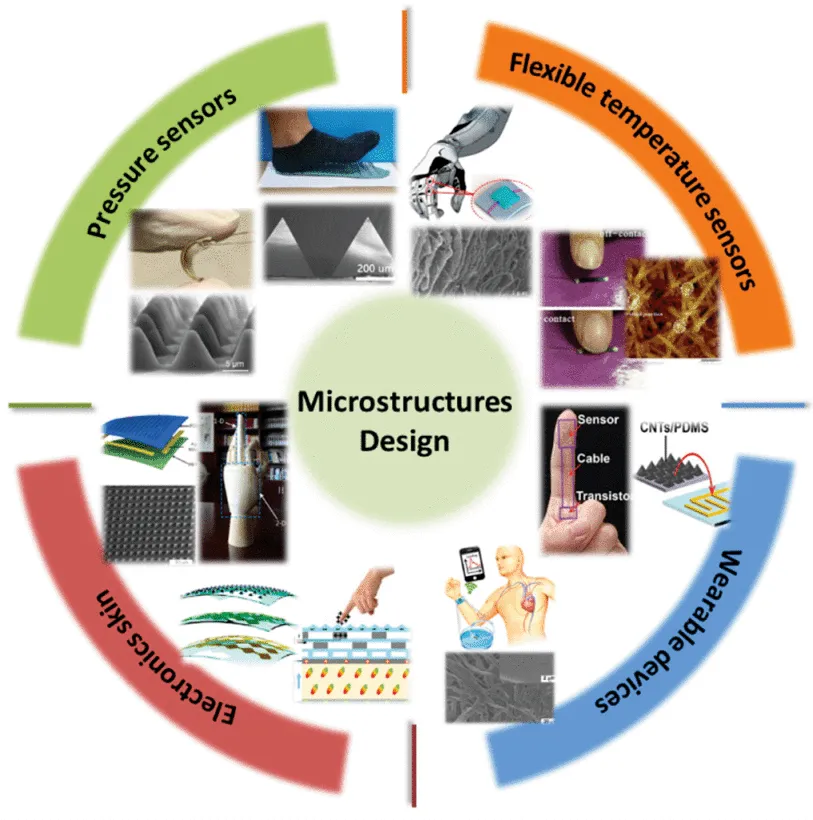
Recent Applications of Different Microstructure Designs in High Performance Tactile Sensors: A Review
Author: Xuguang Sun, Tiezhu Liu, Jun Zhou, Lei Yao, Shuli Liang, Ming Zhao, Chunxiu Liu, Ning Xue
Published in: IEEE Sensors Journal (Volume: 21, Issue: 9, May2021)
Summary Contributed by: E.V.V. Hari Charan
The Internet of Things, robot hands, and smart living has increased the demand to develop flexible tactile sensors. The tactile sensors have perspective applications in healthcare monitoring, electronic skin, and artificial intelligence. The microstructure of the sensing unit is an essential factor in developing and improving the tactile sensor's sensitivity, response time, resolution, and robustness.
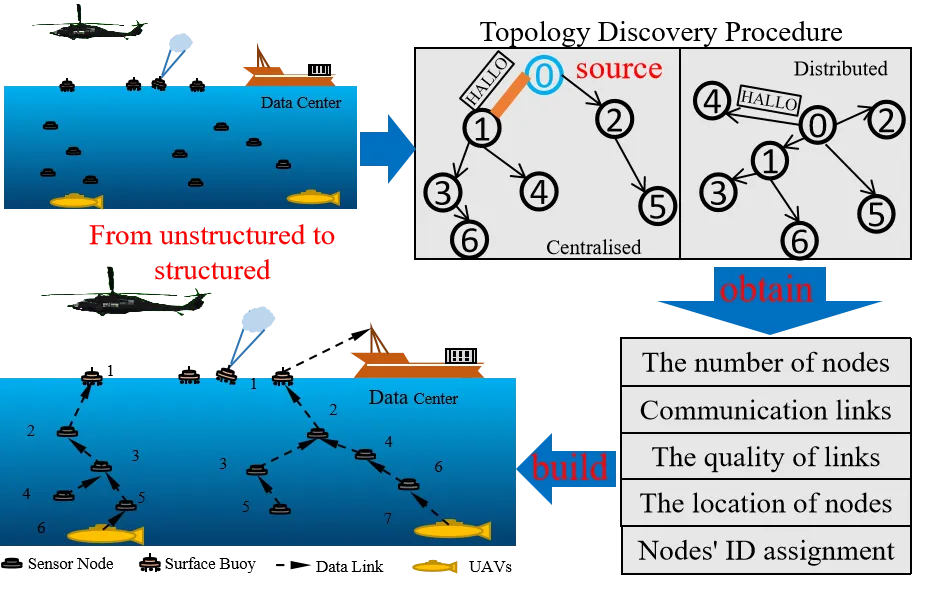
Fundamentals and Advancements of Topology Discovery in Underwater Acoustic Sensor Networks: A Review
Author: Yuan Liu, Haiyan Wang, Xiaohong Shen, Ruiqin Zhao, Lin Cai
Published in: IEEE Sensors Journal (Volume: 21, Issue: 19, October 2021)
Summary Contributed by: Yuan Liu (Author)
Underwater acoustic sensor networks (UANs) are an enabling technology to explore and uncover the mysterious oceans, a vast unknown territory on Earth. The first and often neglected challenge to building a UAN is to discover network topology. The study presented here provides a comprehensive review of existing approaches for UAN topology discovery, the challenges, and the opportunities beckoning further research.
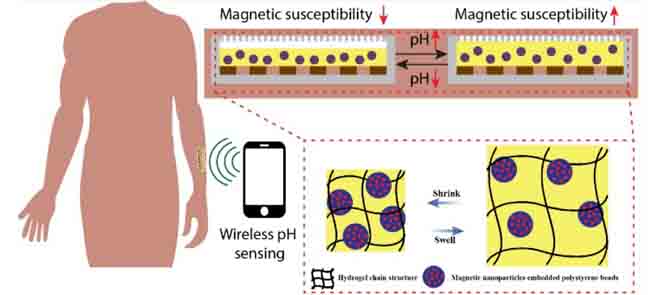
Susceptibility of Stimuli-Responsive Hydrogels With Embedded Magnetic Microparticles for Inductively Wireless Chemical Sensing
Author: J. H. Park, S. H. Song, M. Ochoa, H. Jiang
Published in: IEEE Sensors Journal (Volume: 22, Issue: 2, January 2022)
Summary Contributed by: Abhishek Srivastava
Understanding the role of pH value in clinical diagnostic and drug delivery has recently gained research interest. Measuring pH value helps diagnose and assess different medical conditions, like skin structure and wound status, during a healing process. pH sensing is also used to control the release of the drug at the site of its measurement. The paper presents the susceptibility characterization of magnetic microparticles for sensing pH values for biomedical applications.
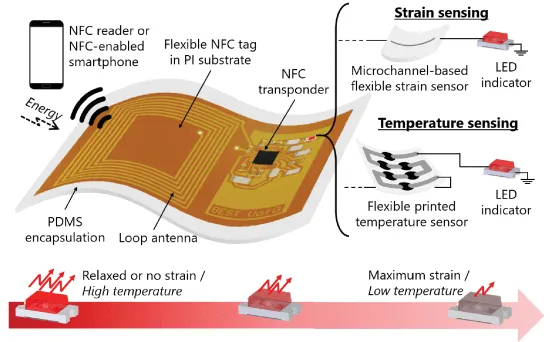
Neglecting quality monitoring can lead to contamination and degradation of packaged food. Temperature variation during storage encourages the growth of microorganisms and bacteria, making supervision essential for quality control. Smart packaging with inbuilt temperature and strain sensors can detect these anomalies caused by microbial contamination. The sensor also incorporates an NFC (near field communication) tag and an LED (light emitting diode) indicator for user-friendly notification.
Published in: IEEE Sensors Journal (Volume: 21, Issue: 22, November 2021)
Summary Contributed by: Pranjali Maru
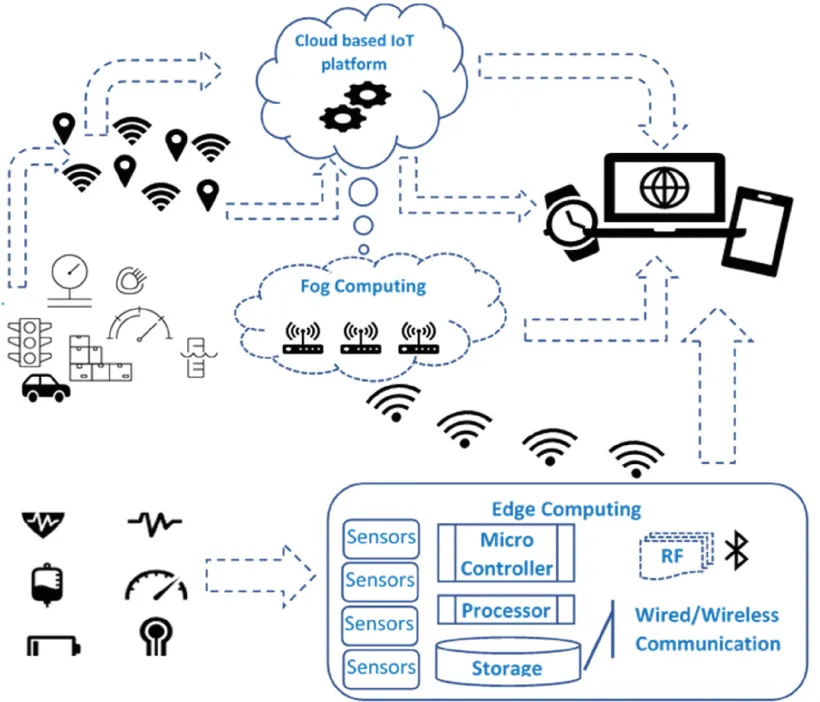
IoT applications, with their unique functionality and applications, are improving human lives. Analysis of a large amount of sensor data collected from these applications is made possible with the help of AI. The convergence of AI and IoT has proven to be a successful idea and has found its applications in health care, agriculture, the environment, and transportation.
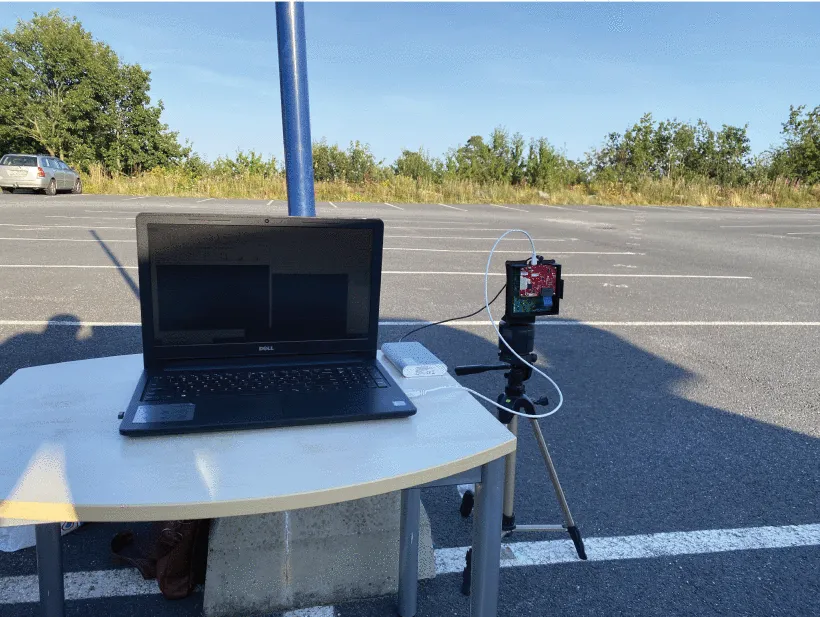
In autonomous systems, mmWave radar sensors are highly reliable for target localization and tracking. However, due to the limited number of transceivers, they cannot accurately estimate the angle of arrival (AoA) of the targets. The researchers developed a novel machine learning-based AoA estimation and field of view (FoV) enhancement techniques for mmWave FMCW radars operating in the frequency range of 77-81 GHz. It has an improved field of view in both azimuth and elevation.
Textile-Based Pressure Sensors for Monitoring Prosthetic-Socket Interfaces
Author: Jordan Tabor, Talha Agcayazi, Aaron Fleming, Brendan Thompson, Ashish Kapoor, Ming Liu, Michael Y. Lee, He Huang, Alper Bozkurt, Tushar K. Ghosh
Published in: IEEE Sensors Journal (Volume: 21, Issue: 7, April 2021)
Summary Contributed by: Jordan Tabor (Author)
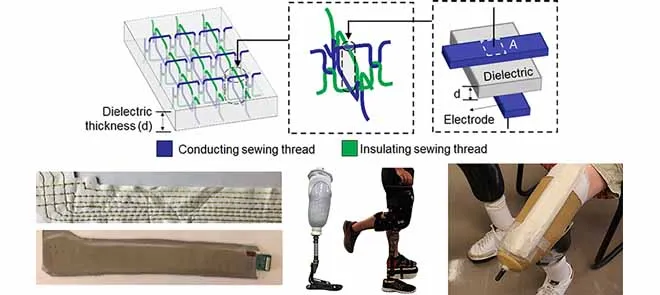
Transtibial amputees face many challenges while wearing prosthetic devices, including chronic discomfort. The commercially available rigid sensors are often used to understand the inner prosthetic environment better. It causes amputees additional discomfort during use. Here, the researchers propose a flexible, textile-based sensing method for prosthetic monitoring and a systematic approach to testing and integrating the sensors within prosthetics.
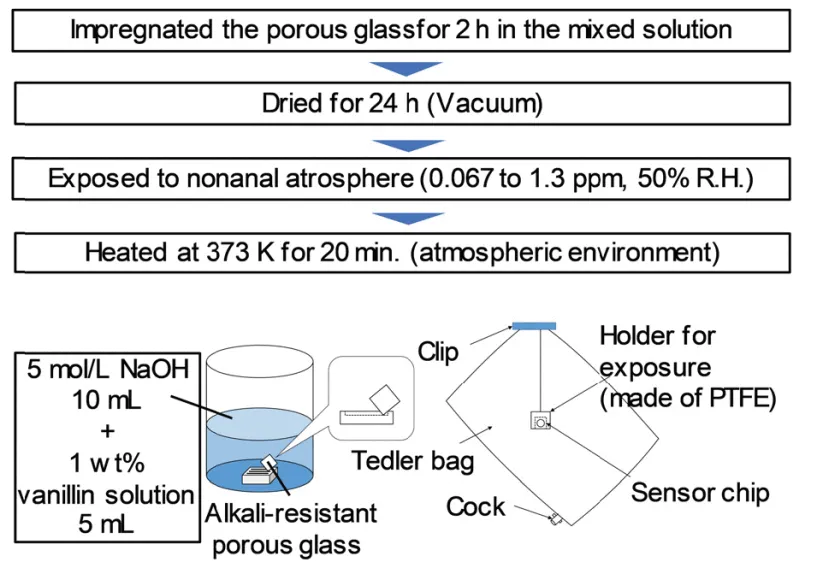
Early-stage lung cancer is difficult to detect. High-accuracy lung cancer diagnostic methods have previously been reported by measuring the concentration of nonanal gas in exhaled breath. Here, the researchers used alkaline catalysts in nonanal detection reactions inside a suitable glass with nanoscale pores by developing an alkali-resistant porous glass, thus fabricating a simple and highly sensitive nonanal gas sensor.
Published in: IEEE Sensors Journal (Volume: 21, Issue: 13, November 2021)
Summary Contributed by: Kamalesh Tripathy
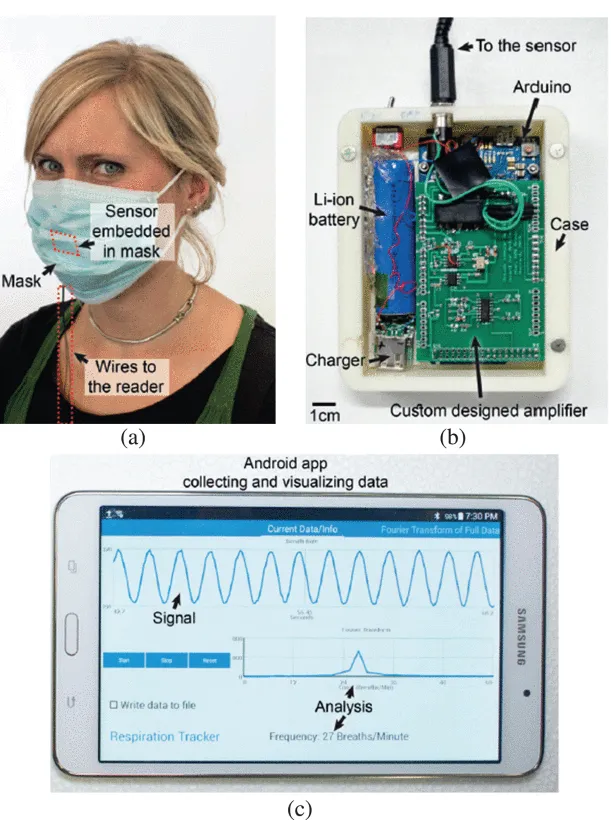
The recent COVID outbreaks highlighted the need for breathing rate monitoring and increased the demand for hospitalized patients. Monitoring breathing rate is vital for diagnosing diseases and observing patients with pulmonary conditions. The pros and cons of different techniques are studied and categorized under contact and remote modes of respiratory monitoring systems. Various Radar-based methods found to be more suitable for respiration monitoring are discussed.
A Low-Noise Instrumentation Amplifier With Built-in Anti-Aliasing for Hall Sensors
Author: Robbe Riem, Johan Raman, Jonas Borgmans, Pieter Rombouts
Published in: IEEE Sensors Journal (Volume: 21, Issue: 17, September 2021)
Summary Contributed by: Robbe Riem (author)
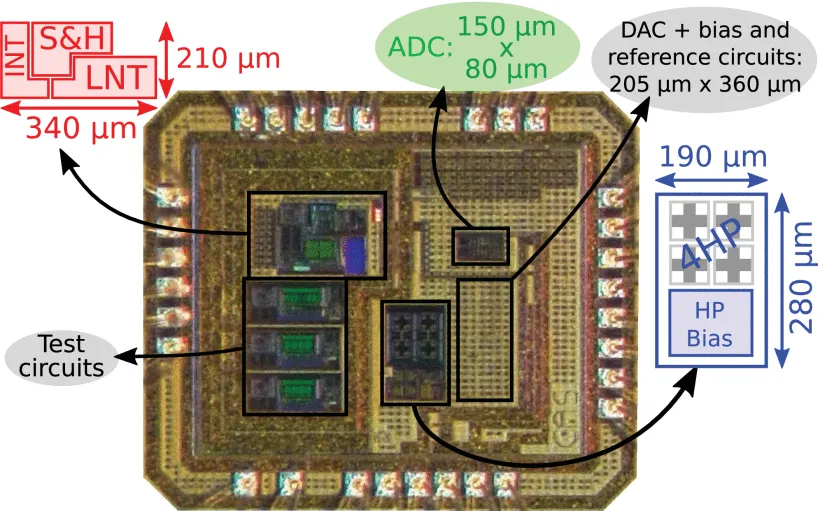
A silicon validation of an In-the-Loop Sampling Amplifier (ILSA) was proposed as a Hall sensor's core pre-conditioning analog interface circuit. It has the advantages of high one-step gain, low noise, low offset, and inherent anti-aliasing. It can be connected directly to any analog-to-digital converter. The resultant Hall system is a compact, low-noise readout architecture with a digital output.
Dielectrics for Non-Contact ECG Bioelectrodes: A Review
Author: Alhassan Haruna Umar, Mohd Afzan Othman, Fauzan Khairi Che Harun, Yusmeeraz Yusof
Published in: IEEE Sensors Journal (Volume: 21, Issue: 17, September 2021)
Summary Contributed by: Alhassan Haruna Umar (Author)
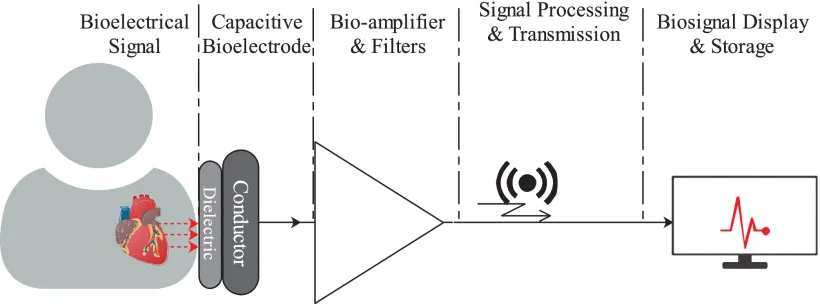
After years of existence and research efforts, dielectric materials in non-contact bioelectrodes guarantee the hope and survival of patients with heart abnormalities. Without painful skin abrasion, cardiac monitoring devices could reliably ensure constant care and well-being of patients. The researchers provide invaluable insights into the influence of dielectric materials that could change the future of ECG monitoring systems.
Portable Tools for COVID-19 Point-of-Care Detection: A Review
Author: Elga F. Saki, Samuel A. Setiawan, Dedy H. B. Wicaksono
Published in: IEEE Sensors Journal (Volume: 21, Issue: 21, November 2021)
Summary Contributed by: E.V.V. Hari Charan
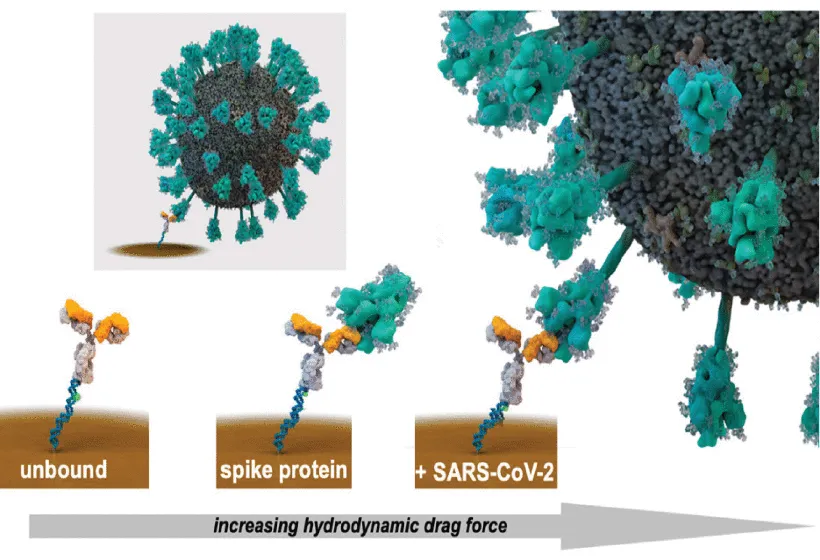
The Global pandemic, COVID-19, surged the demand for easy-to-use, low-cost, portable, sensitive, and quick diagnostic devices with accurate detection probability for SARS-CoV-2 diagnosis. The researchers responded fast by developing various detection methods based on the target biomarkers. The focus is on the new approach using sensing arrays combined with artificial intelligence (AI) analysis to develop portable tools for reliable, inexpensive, and sensitive COVID-19 point-of-care detection.
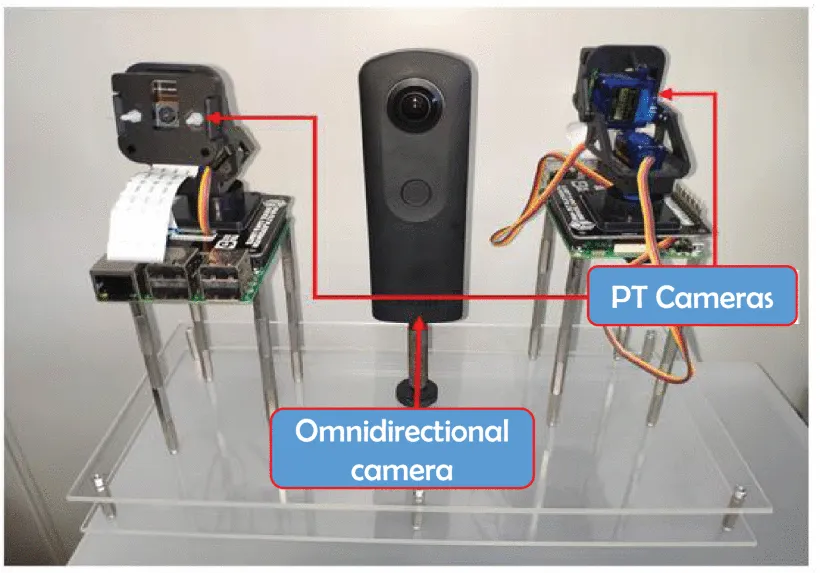
A Hybrid Camera System for High-Resolutionization of Target Objects in Omnidirectional Images
Author: Chinthaka Premachandra, Masaya Tamaki
Published in: IEEE Sensors Journal (Volume: 21, Issue: 9, May 2021)
Summary Contributed by: Pranjali Maru
The growing use of cameras in crucial applications such as surveillance demands intensive research in image capturing and processing. Capturing a high-quality comprehensive view of a site is required. A hybrid camera platform consisting of an omnidirectional camera for a wide angle of images and a pan-tilt camera for handling the resolution of images is proposed. Multiple experiments demonstrated its ability to capture high-resolution images with a 360-degree panorama.
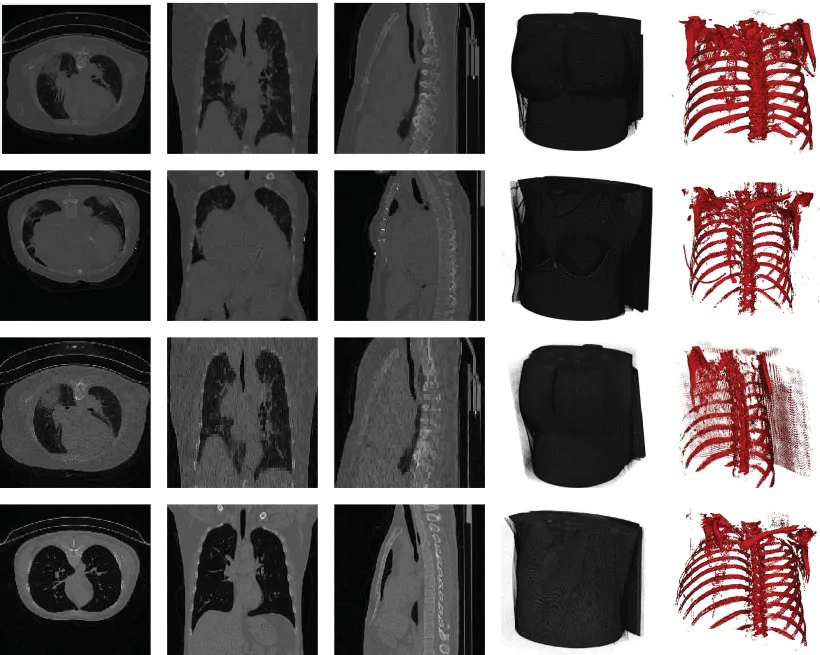
Blockchain-Federated-Learning and Deep Learning Models for COVID-19 Detection Using CT Imaging
Author: Rajesh Kumar, Abdullah Aman Khan, Jay Kumar, Zakria, Noorbakhsh Amiri Golilarz, Simin Zhang, Yang Ting, Chengyu Zheng, Wenyong Wang
Published in: IEEE Sensors Journal (Volume: 21, Issue: 14, October 2021)
Summary Contributed by: Anupama
COVID-19, the global pandemic, highlighted the need for global collaboration. Massive real-life COVID-19 patients' data were required for identifying positive cases and understanding the nature and spread of the rapidly evolving Coronavirus. A collaborative capsule-based deep-learning model was built to segment and classify COVID-19 infections using Computed Tomography (CT) imaging. The privacy concerns of the organizations, data authentication and normalization were addressed using a blockchain-based federated learning process. It resulted in rapid and accurate detection of COVID-19 symptoms without compromising privacy concerns.
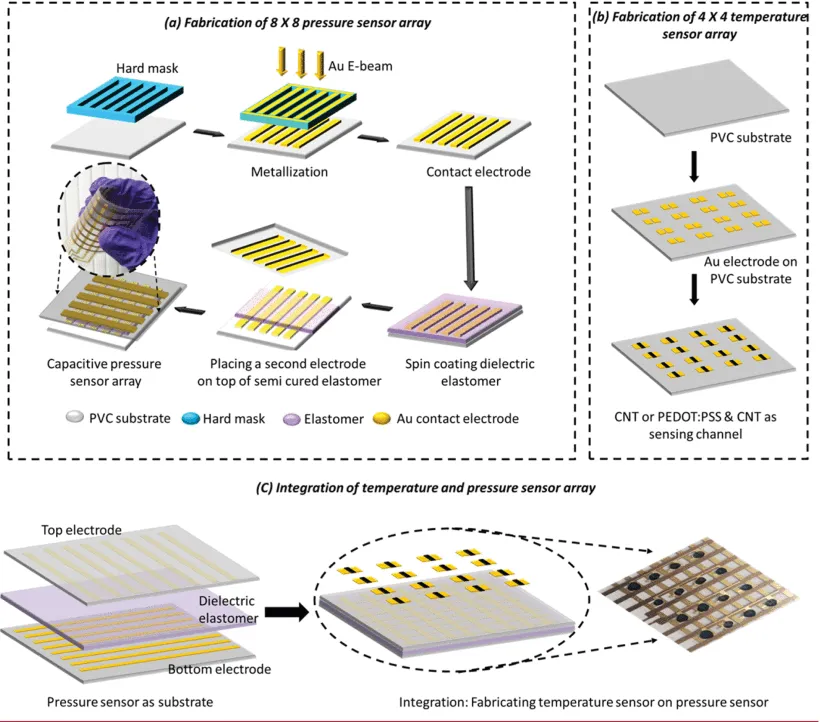
Multifunctional Electronic Skin With a Stack of Temperature and Pressure Sensor Arrays
Author: Yogeenth Kumaresan, Oliver Ozioko, Ravinder Dahiya
Published in: IEEE Sensors Journal (Volume: 21, Issue: 23, December 2021)
Summary Contributed by: Ravinder Dahiya (author)
The rapid advancements in flexible electronics, nanotechnology and material science have enabled engineers and scientists to realise a flexible electronic skin (e-skin) with human-like sensing capabilities. The multifunctionality of such e-skin is proposed to enable robots with human-like dexterity, cognitive skills and abilities. This is anticipated to significantly advance interesting areas such as healthcare, robotics, and human–machine interfaces.
Emotion recognition has garnered interest from researchers because of its importance in affective computing. Facial expressions can mask human emotions. However, studies show that electroencephalogram (EEG) signals can recognize and identify human emotions. Hence, EEG has emerged as an alternate method for emotion recognition. The paper proposes a novel approach through a reduced number of EEG electrode channels and a normalization method, demonstrating its promising applications in real-time emotion recognition.
Early detection and diagnosis of Cardiovascular diseases save lives. The arterial pulse wave velocity (PWV) is one of the essential parameters to diagnose and monitor cardiovascular risk and condition. In the emerging trends of noncontact monitoring, the researchers experimentally demonstrated the accuracy of contactless technology for measuring arterial pulse wave propagation using an array radar system and laser displacement sensors that could replace contact monitoring.
A non-profit organization, IEEE is the world's largest technical professional organization dedicated to advancing technology for the benefit of humanity.
Copyright 2023 IEEE – All rights reserved. Use of this website signifies your agreement to the IEEE Terms and Conditions
This site is also available on your smartphone.