Get exclusive breakthroughs on sensors in IoT, energy, healthcare, and more, delivered straight to your inbox.
"IEEE Sensors Alert" is a new service of the IEEE Sensors Council. Started as one of its new initiatives, this weekly digest publishes teasers and condensed versions of our journal papers in layperson's language.
Articles Posted in the Month (September 2026)
Tactile Sensor Elements Based on Commercial Components: An Experimental Comparison
Published in: IEEE Sensors Journal (Volume: 25, Issue: 20, October 2025)
Summary Contributed by: Gross Sonja (Author)
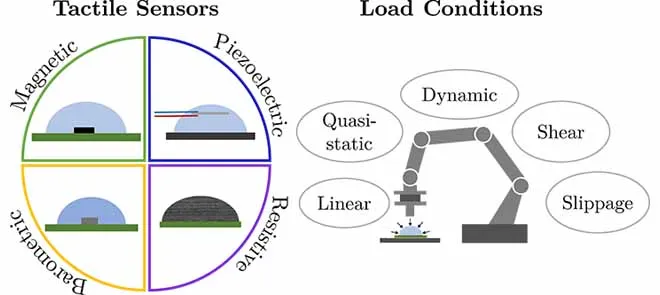
Tactile sensing is essential for strong robotic grasping and human-like interaction. However, developing effective tactile sensors is challenging due to differing experimental methods. This study experimentally compares nine tactile sensor prototypes based on commercially available barometric, magnetic, piezoresistive, and piezoelectric components. Using a robot-driven benchmark setup, it evaluates the performance of these sensors under loading conditions relevant to grasping, providing reproducible insights to enhance tactile sensor design and sensor fusion strategies.
SSCATeR: Sparse Scatter-Based Convolution Algorithm With Temporal Data Recycling for Real-Time 3-D Object Detection in LiDAR Point Clouds
Author: Dow Alexander John Stephen, Bartlett Ben, Dooly Gerard, Manduhu Manduhu, Riordan James, Santos Matheus
Published in: IEEE Sensors Journal (Volume: 26, Issue: 6, March 2026)
Summary Contributed by: Alexander Dow (Author)
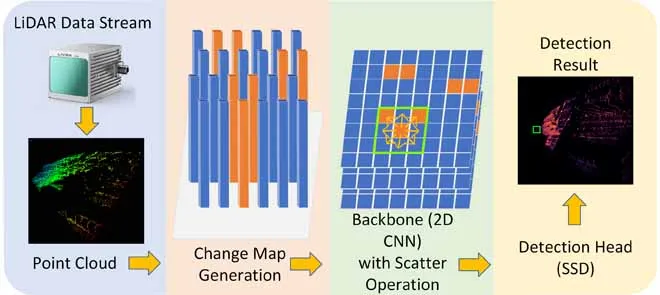
Drone swarm operations are becoming increasingly common, but they require a fast, efficient 3-D object detection method for safe navigation. This paper aims to reduce the latency of LiDAR-based drone detection networks by introducing a sparse scatter-based convolution algorithm with temporal data recycling (SSCATeR). SSCATeR reuses previous results where the point cloud remains unchanged, reducing processing latency without compromising accuracy. The approach enables real-time implementation and improves responsiveness in dynamic environments.
Published in: IEEE Sensors Journal (Volume: 26, Issue: 5, March 2026)
Summary Contributed by: Eduardo Palermo (Author)
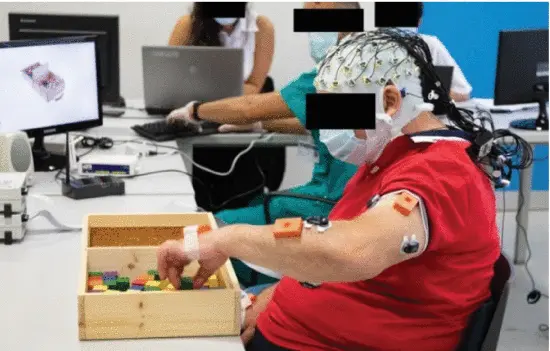
Upper limb function in stroke survivors is usually evaluated using the Box and Block test (BBT). In this work, researchers conducted an experiment involving stroke survivors and healthy controls. They employed motion capture technology, using an inertial measurement unit (IMU)-based system and a biomechanical model to identify indices of stroke-related motor impairment. A series of indices associated with hand motion and lumbar angle emerged as kinematic biomarkers of the pathology.
NEMO: Real-Time Noise and Exhaust Emissions Monitoring for Sustainable and Intelligent Transportation Systems
Author: Rauniyar Ashish, Berge Truls, Kuijpers Ard, Litzinger Paul, Peeters Bert, Gils Erik Van, Kirchhoff Nikolas, Hakegard Jan Erik
Published in: IEEE Sensors Journal (Volume: 23, Issue: 20, October 2023)
Summary Contributed by: Ashish Rauniyar (Author)
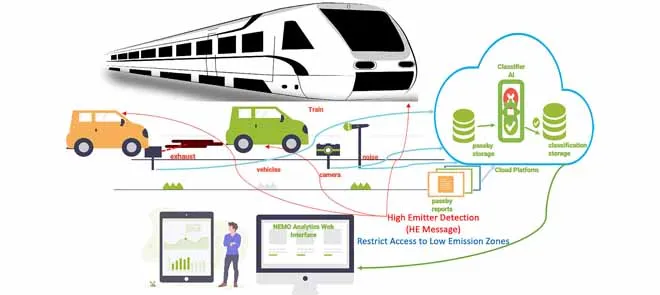
Transport noise affects over 113 million Europeans, while vehicles account for 29% of global CO2 emissions. NEMO (Noise and Emissions Monitoring and Radical Mitigation) is a real-time, AI-powered remote sensing system that simultaneously detects noise and exhaust emissions from road vehicles and trains. It instantly identifies high emitters and notifies drivers through in-vehicle displays, email, or SMS. Tested across multiple European cities, NEMO empowers smarter low-emission zone enforcement.
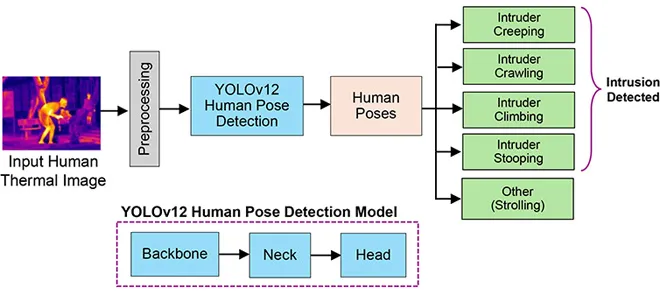
Automated real-time intrusion alert systems are crucial for security and surveillance. Thermal imaging, an effective alternative to traditional RGB systems, enhances privacy and performance, especially in low-light conditions. The proposed framework uses the YOLO architecture for real-time human pose classification from thermal images, improving low-visibility surveillance. It classifies five intruder pose categories and optimizes the YOLOv12n model for maximum accuracy and efficiency, while evaluating performance under various image degradation conditions.
Robotic Systems for Sewer Inspection and Monitoring Tasks: Overview and Novel Concepts
Author: Villinger Georg, Reiterer Alexander
Published in: IEEE Sensors Journal (Volume: 25, Issue: 5, March 2025)
Summary Contributed by: Georg Villinger (Author)
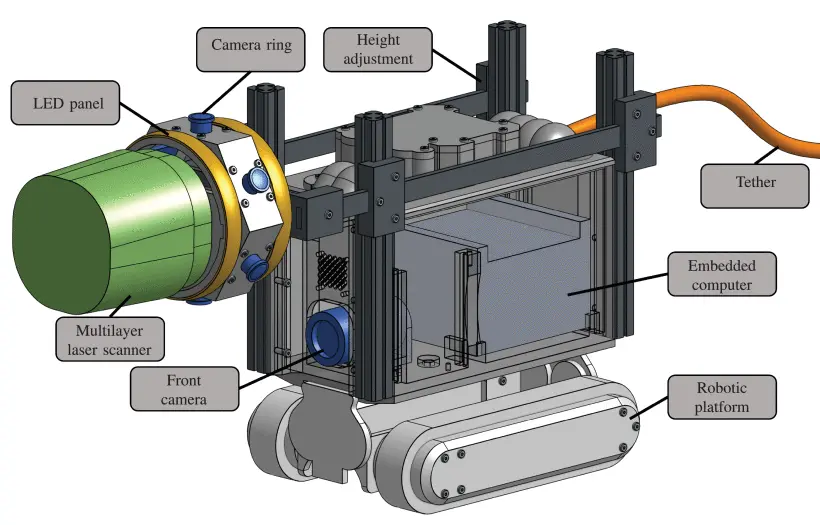
The sewer system is a crucial part of urban infrastructure planning. This paper reviews commercially deployed sewer inspection systems, focusing on sensing and drive concepts. It shows that commonly used wheel-driven pan-tilt-zoom camera systems are unsuited for quantitative geometric analysis and off-site defect detection. To address this limitation, the paper proposes a novel robotic platform equipped with a laser scanner, a high-resolution camera ring, and onboard computing for real-time analysis.
Performance Comparison of Two-, Three-, and Four-Coil E-Textile Wireless Power Transfer Systems
Author: Beeby Stephen, Harris Nick, Sun Yixuan, Yong Sheng
Published in: IEEE Sensors Journal (Volume: 26, Issue: 5, March 2026)
Summary Contributed by: Stephen P. Beeby (Author)
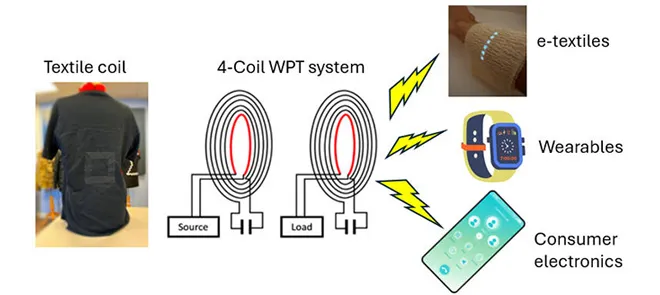
Electronic textiles and smart clothing can be powered using inductive near-field wireless power transfer. However, properties of textile coils and the effects of misalignment, bending, and washing reduce their efficiency. This paper compares two-, three-, and four-coil wireless power transfer systems integrated into e-textiles. Results indicated that the multi-coil system enhances efficiency, power stability, and transfer distance, making it more reliable for smart clothing and developing self-powered wearable sensor systems.
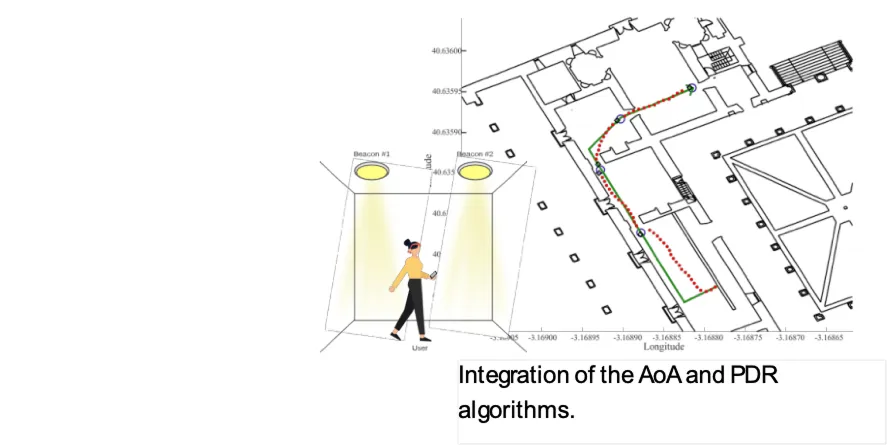
An indoor positioning system (IPS) is for seamless, effortless indoor exploration where GPS fails. This smartphone application combines Visible Light Positioning (VLP) and Pedestrian Dead Reckoning (PDR) to provide accurate indoor guidance. Using the phone's camera and sensors, the system corrects inertial drift through information embedded in lighting. This hybrid approach drastically reduces localization error, offering a reliable, low-cost solution for enhancing the indoor navigation experience without requiring internet connectivity.
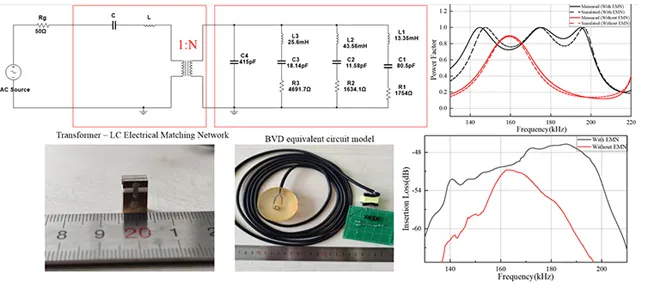
Broadband Electrical Matching Network for PZN-PT Single Crystal Underwater Acoustic Transducer
Author: Mao Zhineng, Zhang Shuangjie, Jia Yudong, Shi Huaduo, Zang Liufei, Zhang Jin
Published in: IEEE Sensors Journal (Volume: 26, Issue: 5, March 2026)
Summary Contributed by: Zhineng Mao (Author)
Broadband signals are highly desirable in underwater applications because they enhance information transmission efficiency, improve resolution, and provide better anti-reverberation capabilities. However, conventional acoustic and electrical matching methods struggle to achieve effective broadband impedance matching and power factor optimization simultaneously. To overcome this limitation, this paper introduces a compact transformer-LC electrical matching network for single-crystal transducers, which effectively expands the bandwidth, enhances transmission performance, and improves the power factor.
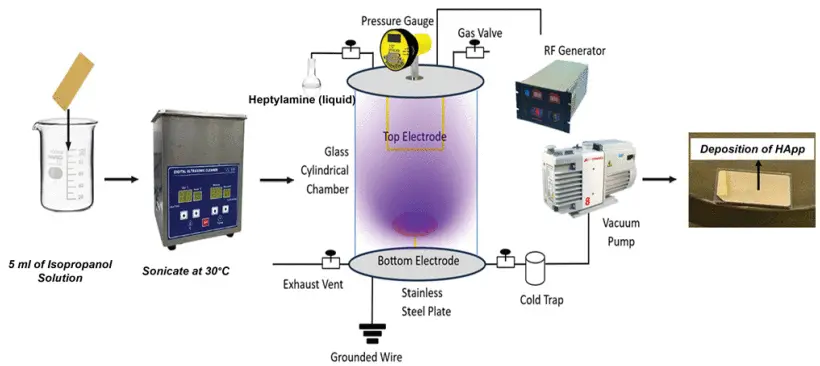
Bio-Immobilization of Plasma-Polymerized Heptylamine and Glutaraldehyde for K-SPR Glucose Biosensing
Author: Menon P. Susthitha, Abdullah Noraidatulakma, Gafor Abdul Halim Abdul, Hamzah Azrul Azlan, Jamil Nur Akmar, Kamaruzaman Lydia, Karim Ilmi Munirah, Kassim Syara, Mohamed Mohd Ambri, Mustaffa Siti Nasuha, Rahman Azaham Abdul, Siow Kim Shyong, Yasin Muhammad Feidhul Hakim Fatah, Yee Lee Pey
Published in: IEEE Sensors Journal (Volume: 26, Issue: 1, January 2026)
Summary Contributed by: P. Susthitha Menon (Author)
Biosensors have revolutionized biomedical diagnostics by facilitating rapid, real-time, and point-of-care (POC) testing. This paper presents a label-free optical biosensor for glucose detection based on a Kretschmann-configured surface plasmon resonance (K-SPR) system. The sensor enables stable enzyme immobilization and reliable glucose detection using plasma-polymerized heptylamine and glutaraldehyde crosslinking. It demonstrates high sensitivity and can detect glucose levels within both normal and diabetic ranges, highlighting its potential for improved biomedical diagnostics.
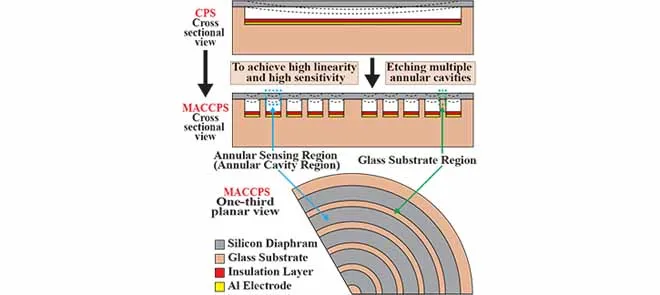
Design and Simulation of an MEMS Capacitive Pressure Sensor With Multiple Annular Cavities
Author: Li Xiaohao, Bao Mingzheng, Liu Kun, Xie Yuanhua, Zhou Yang
Published in: IEEE Sensors Journal (Volume: 26, Issue: 1, January 2026)
Summary Contributed by: Xiaohao Li (Author)
Advancements in micromachining technology have intensified research on microelectromechanical system (MEMS)-based pressure sensors. This research proposes a novel MEMS capacitive pressure sensor with multiple annular cavities to improve the tradeoff between sensitivity and linearity. The segmented cavity structure enables uniform diaphragm deformation and consistent capacitance variation. Simulation shows it achieves low nonlinearity with high sensitivity, along with superior overload capability, making it suitable for reliable pressure measurement in demanding environments.
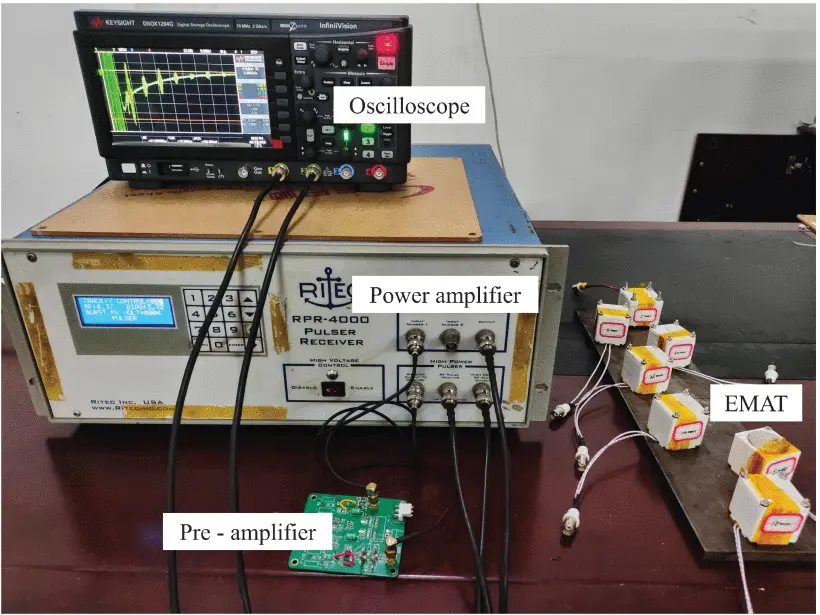
An EMAT Based on a Novel Extrusion Static Magnetizer for Thickness Measurement of Steel Plates
Author: Xu Jiang, Hu Yulin, Zheng Zheng
Published in: IEEE Sensors Journal (Volume: 26, Issue: 1, January 2026)
Summary Contributed by: Jiang Xu (Author)
Existing symmetrical repulsive magnetizers face challenges due to a divergent upper magnetic field and low utilization efficiency. This paper introduces a novel extrusion static magnetizer that enhances magnetic field efficiency via a central magnet-silicon steel composite structure. This innovation significantly improves the signal amplitude and signal-to-noise ratio (SNR) of electromagnetic acoustic transducer (EMAT) thickness measurements, providing a more stable and reliable solution for detecting the thickness of steel plates.
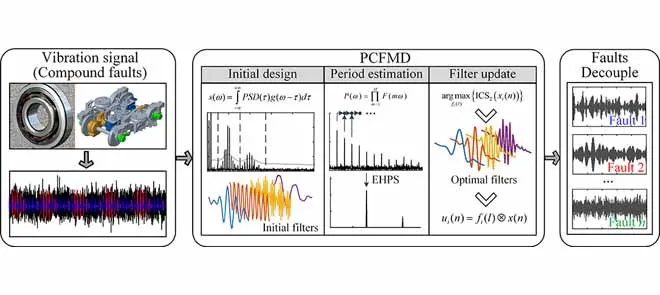
Compound Fault Diagnosis of Rolling Bearings Based on the PSD-Guided Cyclostationarity Feature Mode Decomposition
Author: Wang Feng, Huang Yufeng, Sheng Zilin, Shi Yifei
Published in: IEEE Sensors Journal (Volume: 26, Issue: 1, January 2026)
Summary Contributed by: Feng Wang (Author)
Identifying compound faults in rolling bearings can be challenging due to overlapping noise and irrelevant interference. This study introduces a novel diagnostic method called Power Spectral Density (PSD)-Guided Cyclostationarity Feature Mode Decomposition (PCFMD). This approach uses power spectral density to guide adaptive filtering design, offering a more accurate and efficient method for identifying overlapping faults, supporting predictive maintenance, monitoring critical machinery, and helping minimize unexpected failures in industrial systems.
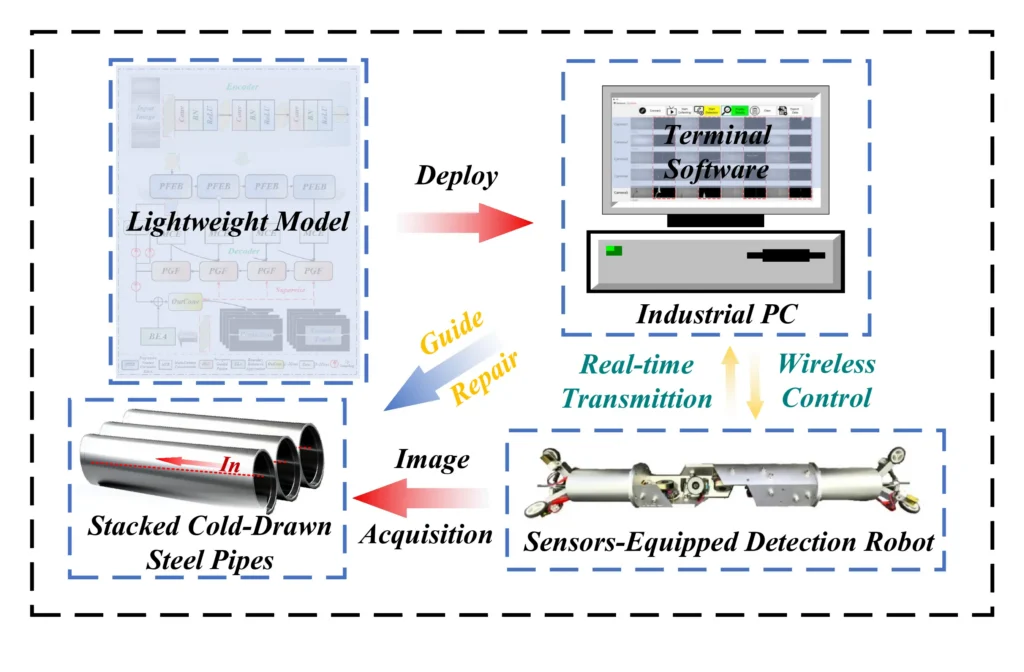
A Lightweight Perception Enhancement Network for Real-Time and Accurate Internal Surface Defect Detection of Cold-Drawn Steel Pipes
Author: Song Kechen, Yan Yunhui, Chen Hongshu, Tan You, Zhang Yu
Published in: IEEE Sensors Journal (Volume: 26, Issue: 1, January 2026)
Summary Contributed by: You Tan (Author)
Detecting internal surface defects in cold-drawn steel pipes can be challenging due to limited access and complex lighting conditions. This study introduces a Pipe Internal Surface Detection (PISD) robot equipped with vision sensors and a lightweight perception enhancement network (LPENet) for accurate detection in industrial settings. This approach enables faster, more reliable quality inspection while keeping computational costs low, making it practical for industrial inspections and deployment in demanding manufacturing environments.
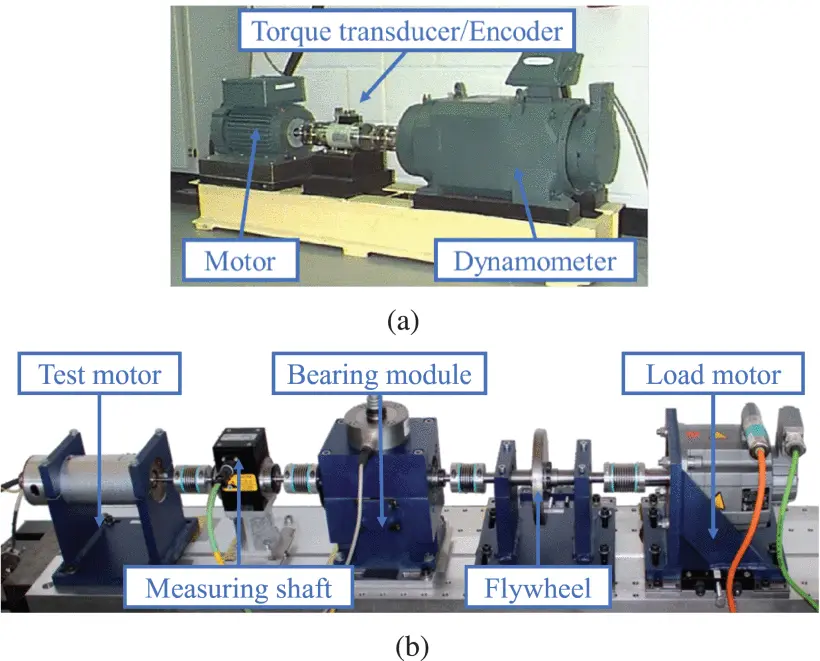
Hierarchical Labeling and Layered-Training-Based CNN: An Application in Bearing Fault Diagnosis
Author: Liu Jiangchao, Ruan Diwang, Cui Yi, Li Zhaorong, Qian Yiliang, Yan Jianping
Published in: IEEE Sensors Journal (Volume: 26, Issue: 1, January 2026)
Summary Contributed by: Jiangchao Liu (Author)
Industrial systems largely depend on rolling bearings for smooth operation. However, diagnosing fault reliably can be challenging due to the limited interpretability of deep learning models. This paper proposes a hierarchical labeling and progressive freezing mechanism, combined with a layered training strategy, to address this challenge. This method improves diagnostic interpretability, accuracy, and reliability, making it suitable for diagnosing complex fault types in industrial applications.
Smart bandages can accelerate healing, avoiding infections of severe injuries or surgical wounds by real-time wound assessments. The wound’s healing state can be predicted by tracking parameters like temperature, pressure, pH, and acidity. A smart bandage prototype embedded with wireless temperature and pressure sensors based on a conductive polymer, PEDOT: PSS (poly(3,4-ethylenedioxythiophene) polystyrene sulfonate), and an NFC (Near-field communication) tag is proposed. This battery-less system provides a cost-effective alternative for medical applications.
Unmanned aerial vehicles (UAV) applications are often heavily dependent on artificial intelligence (AI) methods. Traditional cloud-based AI can find it hard to meet various UAV requirements, such as low latency and energy consumption. Edge AI, where AI is run on-device or at edge servers, is a viable solution. The researchers present an in-depth review of the convergence of edge AI and UAVs.
A non-profit organization, IEEE is the world's largest technical professional organization dedicated to advancing technology for the benefit of humanity.
Copyright 2023 IEEE – All rights reserved. Use of this website signifies your agreement to the IEEE Terms and Conditions
This site is also available on your smartphone.