Get exclusive breakthroughs on sensors in IoT, energy, healthcare, and more, delivered straight to your inbox.
"IEEE Sensors Alert" is a new service of the IEEE Sensors Council. Started as one of its new initiatives, this weekly digest publishes teasers and condensed versions of our journal papers in layperson's language.
Articles Posted in the Month (Feb 2022)
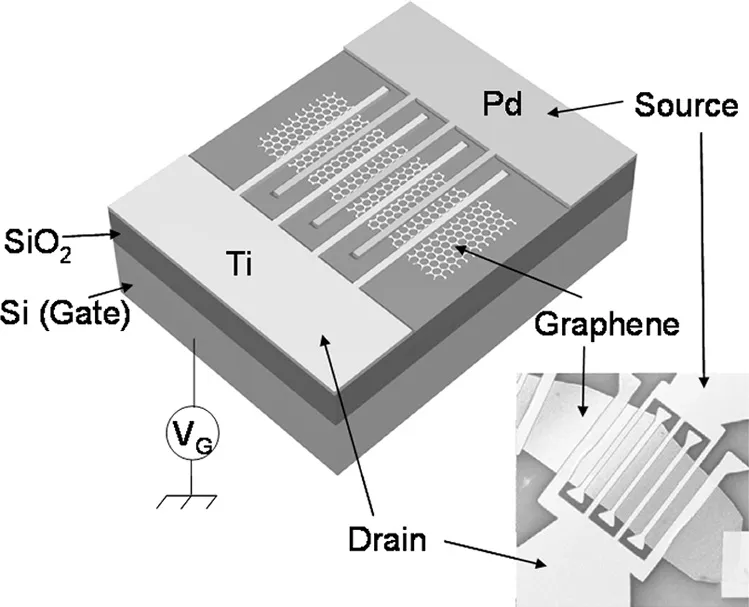
Graphene Sensors
Author: Ernie W. Hill, Aravind Vijayaragahvan, Kostya Novoselov
Published in: IEEE Sensors Journal (Volume: 11, Issue: 12, December 2011)
Summary Contributed by: Anupama
Graphene is often called a ‘miracle material’ due to its exceptional mechanical, electrical and chemical properties. It is a highly conductive, thinnest yet strongest, transparent and non-porous layer of pure carbon atoms in a honeycomb structure. Graphene has immense potential for fabricating various types of flexible sensors like mechanical, magnetic, electrochemical, biosensors, optical sensors etc.
Author: Anuj Kumar, Hiesik Kim, and Gerhard P. Hancke
Published in: IEEE Sensors Journal (Volume: 13, Issue: 4, April 2013)
Summary Contributed by: Jayraj Mulani
Humans are paying a heavy price for economic growth and overall development, whether infrastructure or industrial growth. The pollution and greenhouse gas emissions have led to environmental concerns and climate change, affecting health and life’s quality. However, a rise in environmental awareness created a demand for Environment monitoring systems (EMS) to detect the source and quantify the pollution level by providing a real-time data monitoring and alarm system.
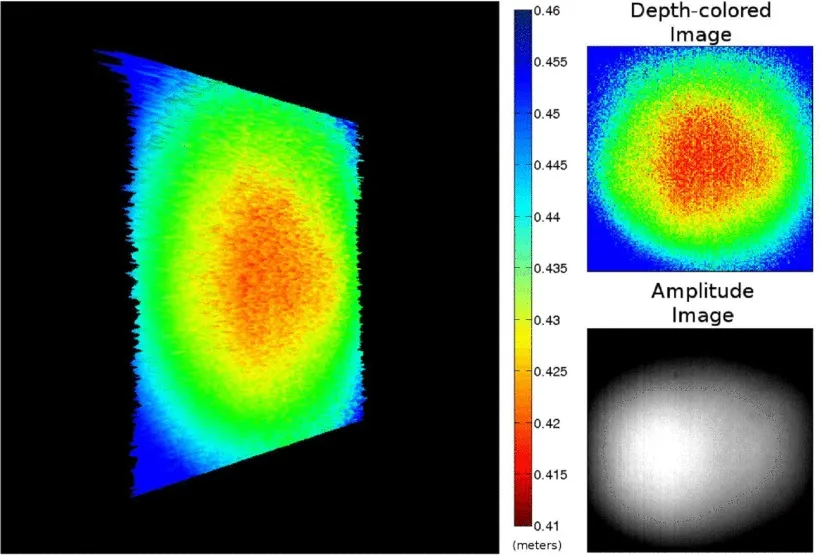
Author: Sergi Foix, Guillem Alenyà, and Carme Torras
Published in: IEEE Sensors Journal (Volume: 11, No: 9, September 2011)
Summary Contributed by: Pranjali Maru
Time of Flight (ToF) camera sensor has emerged as a promising technology. Depth intensity pixel associated higher frame rate images, lightweight, compact design, and reduced power consumption and errors in the output have built great potential for ToF imaging in various domains. Despite its limitations like low resolutions and high noise, the ToF cameras are extensively used in computer graphics, machine vision, and robotics.
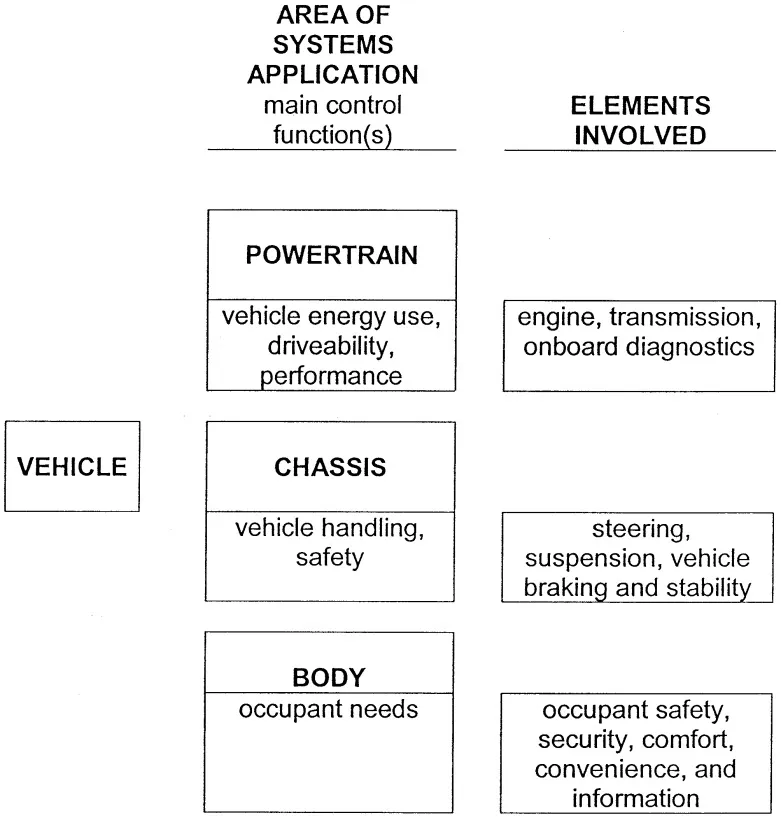
Published in: IEEE Sensors Journal (Volume: 1, No: 4, December 2001)
From mechanical to automatic to self-driven cars, the emerging sensors are revolutionizing the automobile industry. Sensors have emerged as essential components of the automotive electronic control system. The three major areas of automotive systems application–powertrain, chassis, and body are all controlled by arrays of sensors. Advancing automotive sensor technologies have a significant impact on the present with immense scope for the future development of automotive systems.
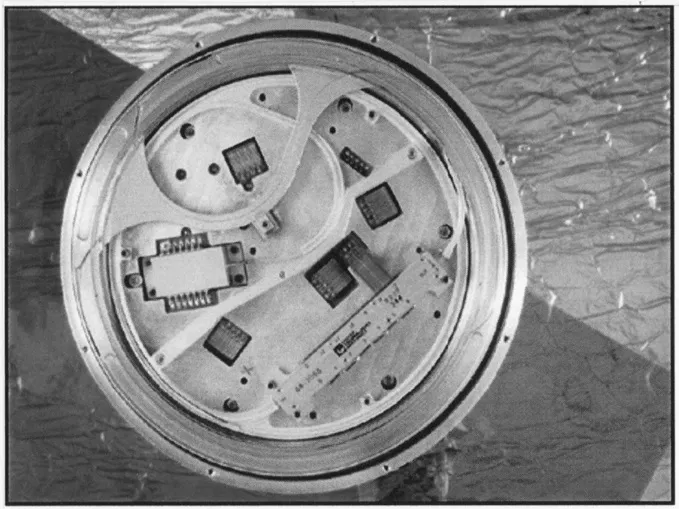
Published in: IEEE Sensors Journal (Volume: 1, Issue: 4, December 2001)
The human desire for accuracy in exploration and guided navigation has brought inventive changes in inertial sensors technology. Integrating inertial sensors with external aids like Doppler, star tracker, or Global Positioning Systems (GPS) improves their accuracy, enhances reliability, and helps overcome inertial drift. Its vast applications in autonomous vehicles, military and space technology, etc., demand the need for extremely low-cost, small size, efficient and batch-producible sensors.
A Wireless, Passive Carbon Nanotube-Based Gas Sensor
Author: Keat Ghee Ong, Kefeng Zeng, and Craig A. Grimes
Published in: IEEE Sensors Journal (Volume: 2, Issue: 2, April 2002)
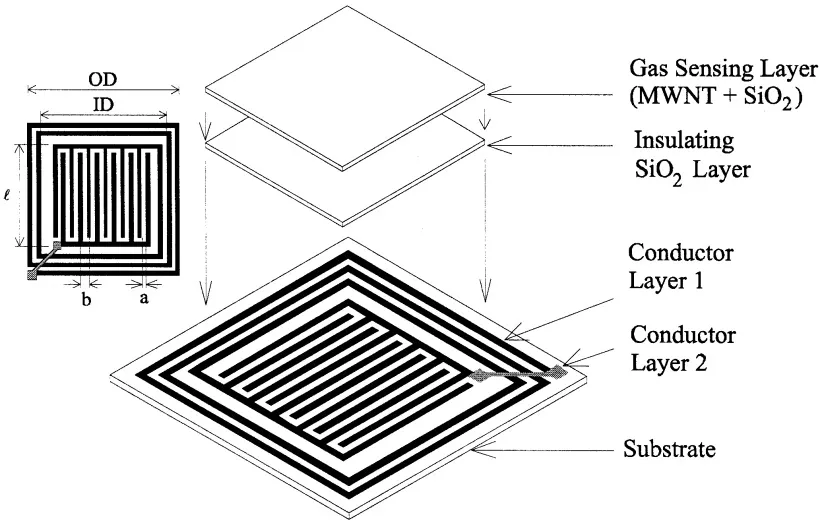
Multiwall carbon nanotube-silicon dioxide (MWNT-SiO2) coated composite surface has been developed as a linear, responsive, sensitive gas sensors for O2, CO2 and NH3 gases. The presence of gas concentration is measured by measuring corresponding changes in permittivity and conductivity of MWNT which consequently changes its resonant frequency. The advent of MWNT-SiO2 offers an enormous potential to build low cost, highly sensitive, linear, passive, portable, low power wireless gas sensors.
Multi-Sensor Chip for Monitoring Key Parameters in Bioprocesses
Author: Nurul IzniRusli, Irene Pia Vincentini, Frederik Ceyssens, Michael Kraft
Published in: IEEE Sensors Journal (Volume: 21, Issue: 18, September 2021)
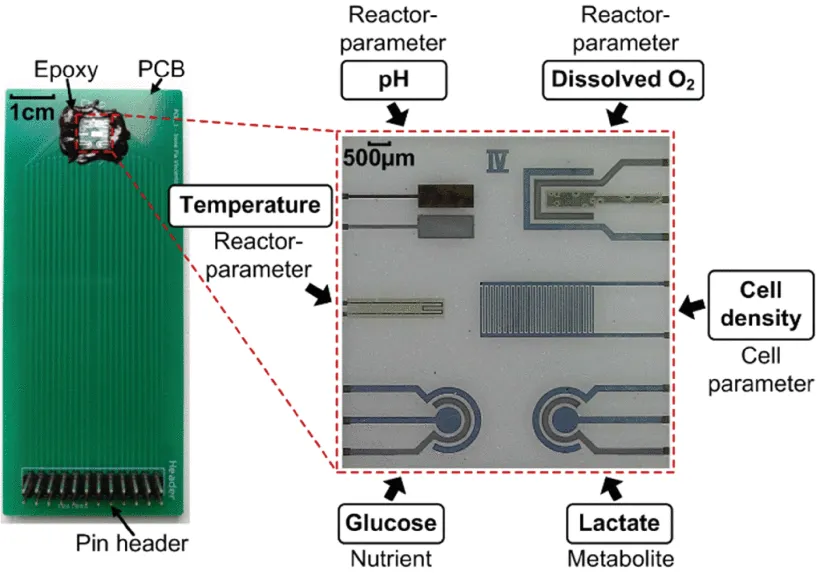
Wearable electronics, mobile applications, the Internet of Things (IoT) technology, and remote monitoring have revolutionized the health care system. The technological advancement in microfabrication techniques has enabled miniaturization and multi-sensing biosensors devices to monitor vital parameters in bioprocesses. Along with its multiple benefits like compact size, low cost, low power consumption, it can also monitor Cell’s density, oxygen, lactate, glucose, temperature, and pH in real-time.
Experimental Environments for the Internet of Things: A Review
Author: Luis Eduardo Lima, Bruno Yuji Lino Kimura, Valério Rosset
Published in: IEEE Sensors Journal (Volume: 19, Issue: 9, MAY 2019)
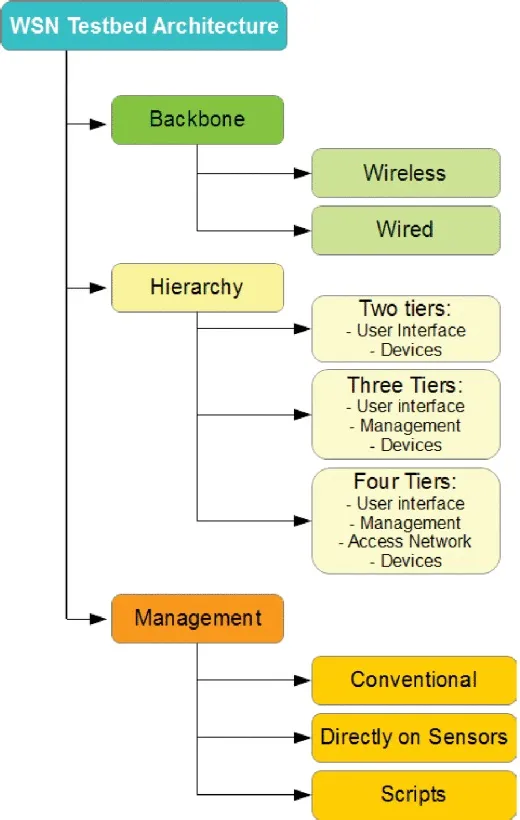
The Internet of Things (IoT) connects different objects embedded with sensors, software and state-of-the-art technologies through the internet, enabling them to communicate in real-time through the wired or wireless communication system. Its application requires validation before actual implementation to reduce the risk involved, especially in security and privacy. The development of experimental environment (testbeds) provides an efficient platform for conducting practical IoT experiments under real conditions and precise testing techniques for wireless sensor networks (WSN) and IoT applications before implementation.
Author: Adam T. Hayes, Alcherio Martinoli, Rodney M. Goodman
Published in: IEEE SENSORS JOURNAL (VOL. 2, NO. 3, JUNE 2002)
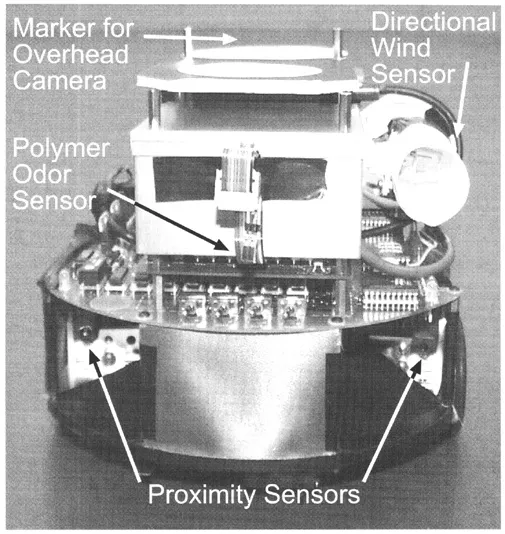
Humans have expertise in using animal’s evolved olfactory senses to their benefit. With the emergence of chemical sensors, efforts are made to make mobile odor-source sensing robots. However, odors cannot be sensed or measured by a single parameter such as wavelength or frequency. Studies show that a group of autonomous mobile robots using suitable algorithms performs superior to a single complex robot in odor localization tasks.
Author: Yazan Qiblawey, Muhammad E. H. Chowdhury, Farayi Musharavati, Erfan Zalnezhad, Amith Khandakar, and Mohammad Tariqul Islam
Published in: IEEE Sensors Journal (Volume: 21, Issue: 6, March 2021)
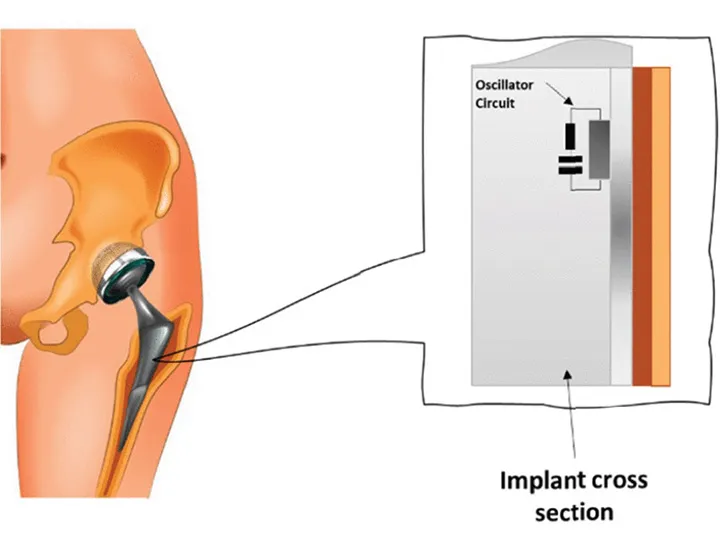
With fast growing older population, the need for knee or hip implants has grown tremendously. These implants have short lifetime due to implant wear, loosening, and misalignment. Therefore it becomes imperative to monitor the implants to avoid unexpected failure and unnoticed deterioration. Smart, instrumented implants can provide accurate monitoring of the implant, delaying the revision surgeries and its consequences.
Silicon piezoresistive stress sensors and their application in electronic packaging
Author: J.C. Suhling, R.C. Jaeger
Published in: IEEE Sensors Journal (Volume: 1, Issue: 1, June 2001)
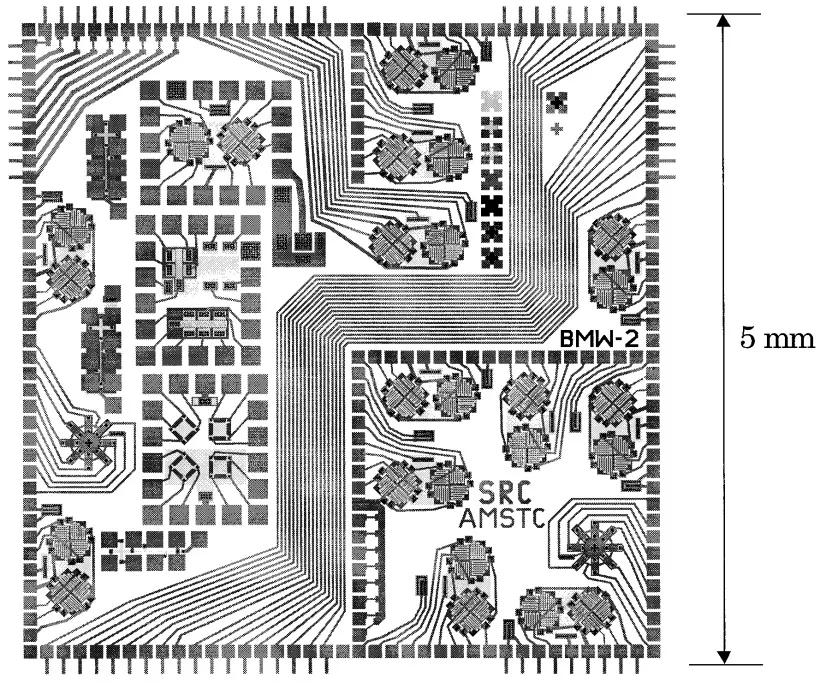
The integrated circuits are known for high circuit densities that raise concerns for thermal, mechanical and low-cost packaging material induced stresses. All these put together either cause the chip to fail or perform against the design. Study of such stresses is mandatory before rolling out the chips from a Fab lab. Silicon Piezoresistive Stress Sensors have shown great potential for understanding and detecting stress distributions in electronic packages. It eventually helps in calibrating the IC parameters, selecting wafer planes and packaging materials, etc.
Human Activity Recognition With Smartphone and Wearable Sensors Using Deep Learning Techniques: A Review
Author: E. Ramanujam, Thinagaran Perumal, S. Padmavathi
Published in: IEEE Sensors Journal (Volume: 21, Issue: 12, June 2021)
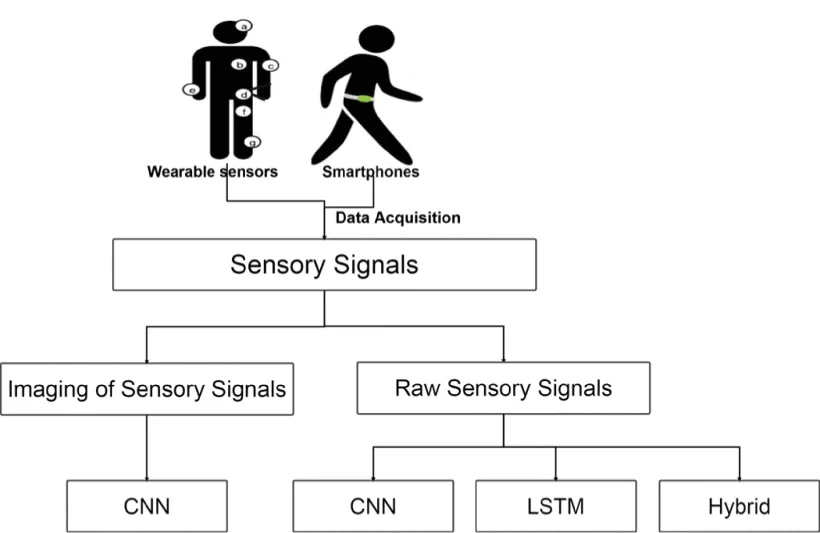
Human Activity Recognition (HAR) is a field that recognizes human activities from raw time-series signals acquired through embedded sensors of smartphones and wearable devices among others. Deep learning networks modeled after neural network of human brain are widely used in HAR system to retrieve and classify distinct activities. AT present they can accurately recognize simple human activities which make them very useful in Smartphone HAR systems.
Author: Anindya Nag, Subhas Chandra Mukhopadhyay, Jürgen Kosel.
Published in: IEEE Sensors Journal (Volume: 17, Issue: 13, July 2017)
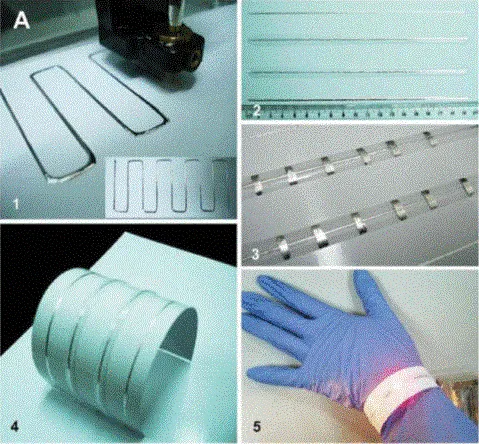
The use of sensors in the application world has drastically improved the human life. Sensors have reduced the time required to study events from hours, to a few seconds or minutes. Nowadays sensing systems are being used in gas sensing, environmental monitoring, as well as the food industry. Monitoring of physiological parameters is being done through Wearable Flexible Sensors (WFS). Tremendous scientific research is going on to develop sensors with better sustainability and sensitivity and to overcome challenges regarding handling of the generated data, comfort of the person concerned, and the power consumed by the devices. Better manufacturing techniques will help develop newer sensors encompassing all income categories in the near future.
Technologies for Printing Sensors and Electronics Over Large Flexible Substrates: A Review
Author: Saleem Khan, LeandroLorenzelli, Ravinder S. Dahiya
Published in: IEEE Sensors Journal (Volume: 15, Issue: 6, June 2015)
Printed sensors and electronics have attracted greater interest as printing facilitates low cost fabrication. With the advent of increased research and demonstration of printed sensors and electronics, we are not far from enabling large area electronics on flexible substrates through cost effective printing technologies on a wide scale. The cost- effectiveness of printing technologies and employing them for flexible electronics will open up new classes of applications, and dramatically change the electronics industry landscape.
Published in: IEEE Sensors Journal (Volume: 13, Issue: 10, October 2013)
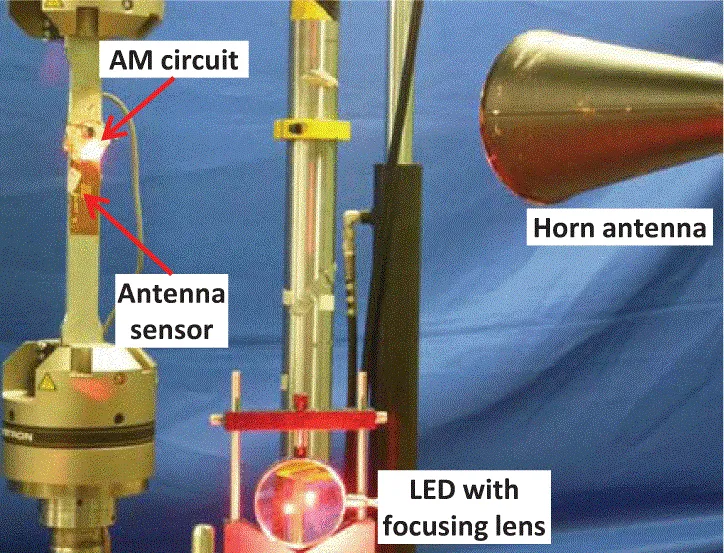
Research in the field of flexible sensor skins has progressed significantly in last few decades. With patch antenna technology, these sensors can be wirelessly interrogated with very simple and low-power sensor circuitries for strain sensing, crack detection, shear measurement, bio-chemical sensing etc. Since the information is encoded as frequency, frequency division multiplexing can be exploited to form a large sensor array, hence making the antenna sensor an excellent candidate for flexible sensor skin implementation.
Complex multi-sensor networks face challenges in storage management, data processing and resource optimization. Data fusion methods analyze and integrate diverse sensor information to produce coherent and accurate information. Researchers propose an adaptive weighted fusion algorithm on grouped sensor data that can efficiently reduce data redundancy, optimize resources, and lower network congestion. It showed higher accuracy and energy efficiency than other fusion algorithms.
Work-related stress should be detected and managed to avoid adverse impacts on individuals and society. This study proposes a deep learning approach to detect work-related stress automatically by analyzing multimodal signals. Deep neural networks, facial expressions, and physiological signals were fused at different levels to achieve promising accuracy. The novel approach of studying the level of work-related stress with just a 10-second-long electrocardiogram, respiration, and facial images shows potential for effective stress detection.
A non-profit organization, IEEE is the world's largest technical professional organization dedicated to advancing technology for the benefit of humanity.
Copyright 2023 IEEE – All rights reserved. Use of this website signifies your agreement to the IEEE Terms and Conditions
This site is also available on your smartphone.