Get exclusive breakthroughs on sensors in IoT, energy, healthcare, and more, delivered straight to your inbox.
"IEEE Sensors Alert" is a new service of the IEEE Sensors Council. Started as one of its new initiatives, this weekly digest publishes teasers and condensed versions of our journal papers in layperson's language.
Articles Posted in the Month (November 2023)
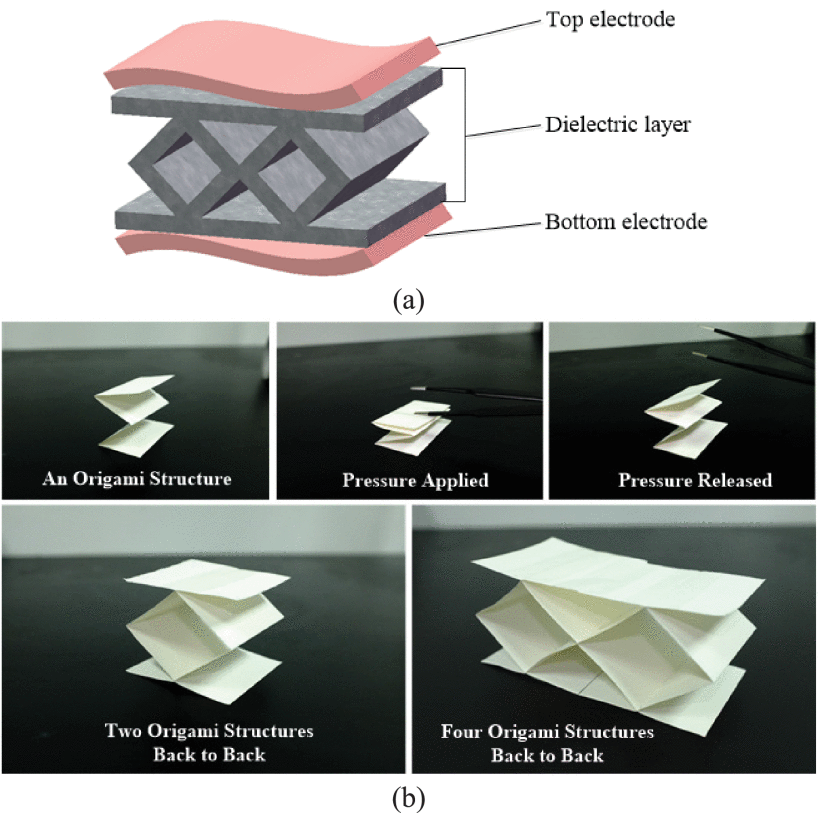
Wide-Range Flexible Capacitive Pressure Sensors Based on Origami Structure
Published in: IEEE Sensors Journal (Volume: 21, Issue: 8, April 2021)
Summary Contributed by: Laxmeesha Somappa
Origami is the art of paper folding to create a two-dimensional and three-dimensional sculpture. Inspired by this art, the researchers developed a flexible pressure sensor, which finds various applications in wearable devices and healthcare products. The origami structure inherently offers higher sensitivity and measurement range. These pressure sensors can easily be fabricated with 3-D printing technology, making them low-cost and enabling mass production.
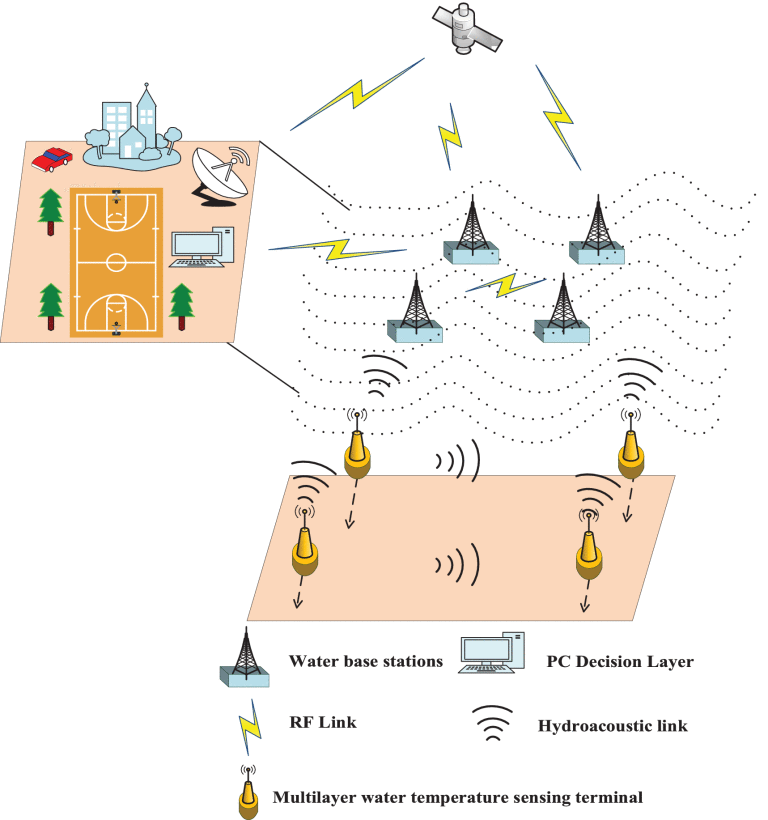
Data Fusion Based on Temperature Monitoring of Aquaculture Ponds With Wireless Sensor Networks
Author: Haohui Chen, Xinyuan Nan, Sibo Xia
Published in: IEEE Sensors Journal (Volume: 23, Issue: 1, January 2023)
Summary Contributed by: Haohui Chen (author)
Aquaculture is the farming of aquatic animals and plants in a controlled environment. The water temperature is a vital environmental factor that affects the water quality and life of the aquatic species. The paper proposes an effective real-time aquaculture temperature monitoring method through a layered and clustered wireless sensor networks (WSNs) framework. It is more effective in temperature monitoring with improved accuracy in comparison to the traditional monitoring methods.
Image-Based Force Estimation in Medical Applications: A Review
Author: Ali A. Nazari, Farrokh Janabi-Sharifi, Kourosh Zareinia
Published in: IEEE Sensors Journal (Volume: 21, Issue: 7, April 2021)
Summary Contributed by: Anupama
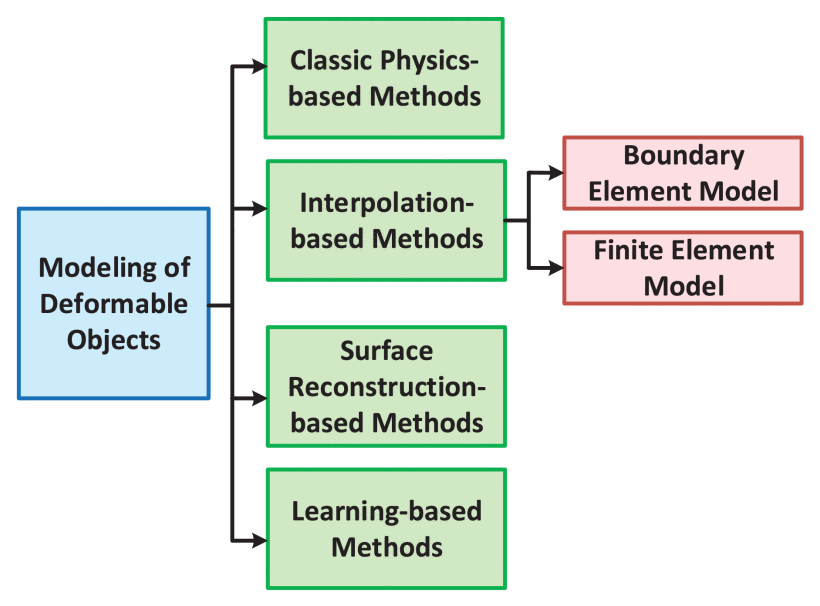
Precise, real-time force estimation is still an ongoing challenge in minimally invasive robotic surgical (MIRS) interventions. The applied force depends on the size and deformity of the tissue. Advanced imaging techniques and deep-learning algorithms provide efficient object recognition and force estimation in MIRS. The researchers present a comprehensive review of image-based force estimation techniques for MIRS haptic force feedback.
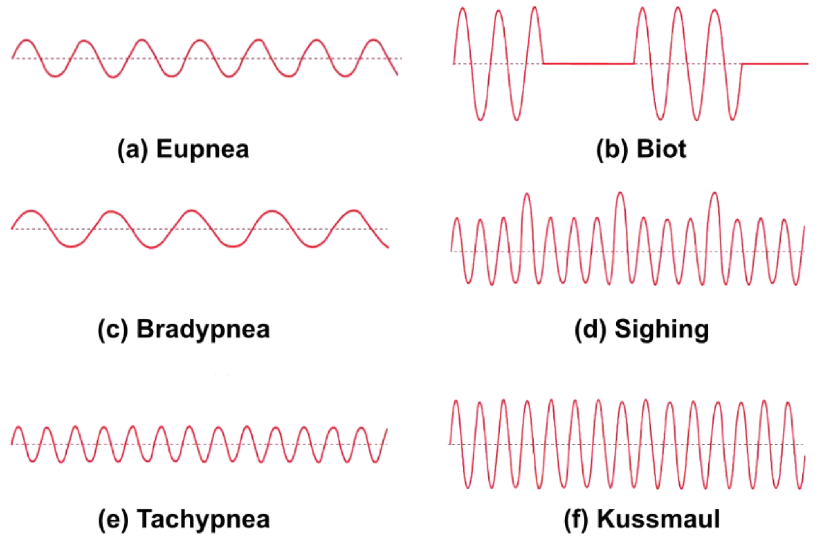
Wireless Channel Modelling for Identifying Six Types of Respiratory Patterns With SDR Sensing and Deep Multilayer Perceptron
Author: Umer Saeed, Syed Yaseen Shah, Adnan Zahid, Jawad Ahmad, Muhammad Ali Imran, Qammer H. Abbasi, Syed Aziz Shah
Published in: IEEE Sensors Journal (Volume: 21, Issue: 18, September 2021)
Summary Contributed by: Kamalesh Tripathy
The COVID-19 pandemic highlighted the need for contactless respiration monitoring systems. A software-defined radio frequency sensing technique integrated with a deep learning algorithm was proposed for the non-invasive monitoring of various breathing patterns. The system used variations in channel state information produced by human motions to identify six distinct respiratory patterns. The prototype could classify these respiratory patterns with up to 99% accuracy.
On the Detection of Unauthorized Drones—Techniques and Future Perspectives: A Review
Author: Muhammad Asif Khan, Hamid Menouar, Aisha Eldeeb, Adnan Abu-Dayya, Flora D. Salim
Published in: IEEE Sensors Journal (Volume: 22, Issue: 12, June 2022)
Summary Contributed by: Muhammad Asif Khan (Author)
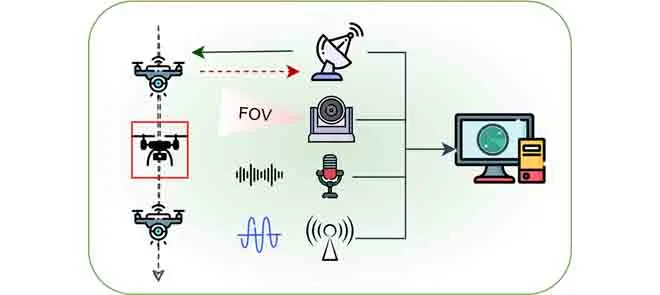
The increasing number of commercial drones poses severe threats to the security of critical infrastructure and people’s privacy. A drone detection system thus becomes inevitable to detect unauthorized drones in the low altitude airspace. This paper delves into the various aspects of an efficient, reliable, robust, and scalable drone detection system by investigating the four fundamental technologies and the associated challenges and limitations.
Inkjet-Printed, Nanofiber-Based Soft Capacitive Pressure Sensors for Tactile Sensing
Author: Riikka Mikkonen, Anastasia Koivikko, Tiina Vuorinen, Veikko Sariola, Matti Mäntysalo
Published in: IEEE Sensors Journal (Volume: 21, Issue: 23, December 2021)
Summary Contributed by: Anupama
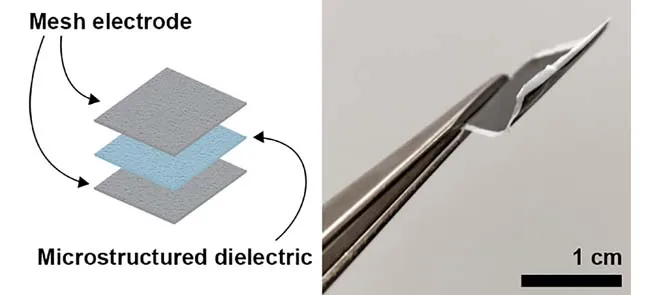
Soft electronics enable lighter and more flexible human-machine interfaces. Learn about an inexpensive, additive approach to fabricating flexible, soft electronics using inkjet printing. Inkjet-printed micro-structured dielectric layers were sandwiched between conductive mesh electrodes to form the capacitive tactile pressure sensors. The sensor exhibits high sensitivity, long-term repeatability, and low hysteresis. The proposed approach can fabricate inexpensive, customizable soft electronics human-machine interfaces.
Precise Detection and Quantitative Prediction of Blood Glucose Level With an Electronic Nose System
Author: Zhenyi Ye, Jie Wang, Hao Hua, Xiangdong Zhou, Qiliang Li
Published in: IEEE Sensors Journal (Volume: 22, Issue: 13, July 2022)
Summary Contributed by: Zhenyi Ye (Author)
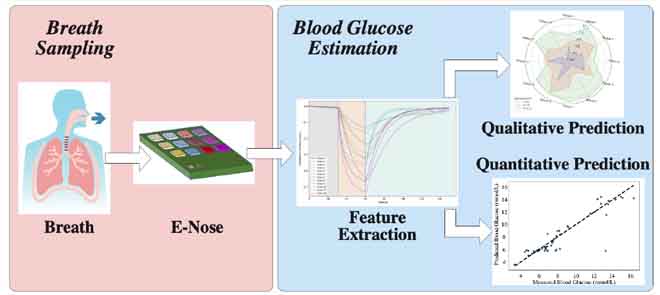
Monitoring blood glucose levels after exercise, diet, and medication is vital, especially in people with diabetes. A low-cost, no-pain glucose measurement method outside clinical settings for diabetes patients is essential. The work presents a non-invasive glucose measurement method using a novel electronic nose (E-Nose) device enabled by the machine learning algorithm. The proposed method is capable of precise qualitative glucose identification and quantitative analysis.
Towards Precision Agriculture: IoT-Enabled Intelligent Irrigation Systems Using Deep Learning Neural Network
Author: Pankaj Kumar Kashyap, Sushil Kumar, Ankita Jaiswal, Mukesh Prasad, Amir H. Gandomi
Published in: IEEE Sensors Journal (Volume: 21, Issue: 16, August 2021)
Summary Contributed by: Vinay S Palaparthy
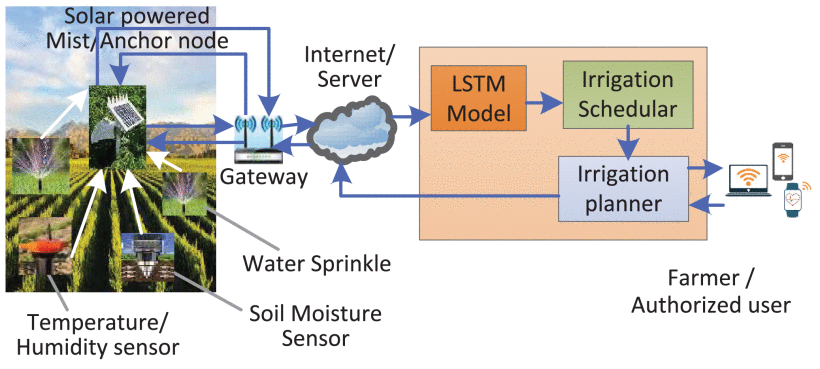
Smart and precise irrigation planning plays a crucial role in preventing excess water usage and waste. Various machine learning-based irrigation models have been proposed. However, the proposed models should consider unpredictable climate changes. The researchers propose an intelligent neural network model considering the historical temporal dynamics of soil and climate. The prototype efficiently predicts volumetric water demand one day in advance.
Toward a Bio-Inspired Acoustic Sensor: Achroia grisella’s Ear
Author: Lara Díaz-García, Andrew Reid, Joseph C. Jackson-Camargo, James F. C. Windmill
Published in: IEEE Sensors Journal (Volume: 22, Issue: 18, September 2022)
Summary Contributed by: Lara Díaz García (Author)
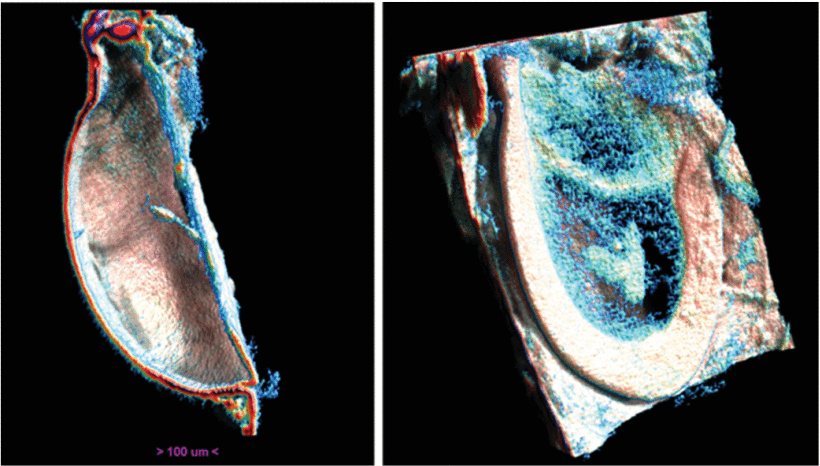
Taking inspiration from nature can be advantageous when facing challenges in engineering and technology. The researchers overcame one such challenge of manufacturing miniature directional acoustic sensors by studying Achroia grisella, a small moth capable of directional hearing using one ear. Inspired by the shape of the moth eardrum, equations, simulations, and passive directional 3D printed samples were developed and examined with Laser Doppler Vibrometry.
An Implantable Antenna Sensor for Medical Applications
Author: Wei Wang, Xiu-Wei Xuan, Wan-Yi Zhao, Hong-Kuai Nie
Published in: IEEE Sensors Journal (Volume: 21, Issue: 13, July 2021)
Summary Contributed by: Payal Savani
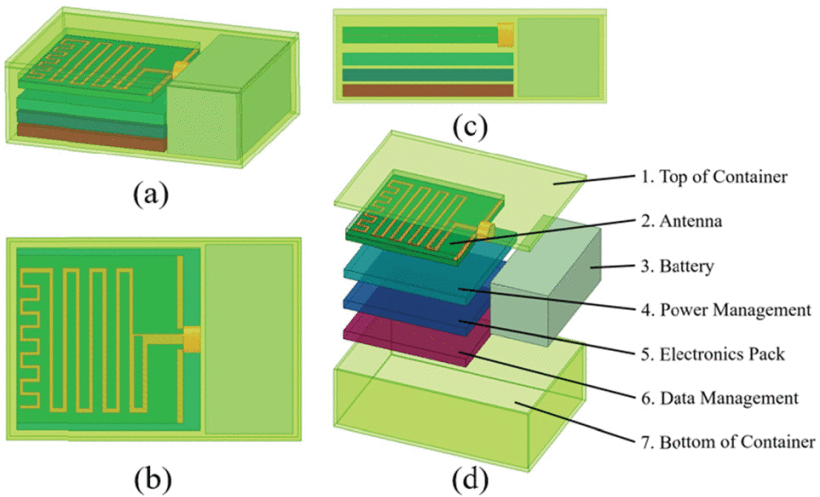
Emerging technologies have led to the development of implantable medical devices, providing new methods for diagnosing and treating diseases. The researchers present a sensor prototype with an S-shaped monopole antenna with a closed-loop design. The prototype outperforms concurrent implantable devices concerning size, radiation gain, and sensitivity. The proposed sensor offers a minimally invasive way to monitor and diagnose cancer tumors and can save countless lives.
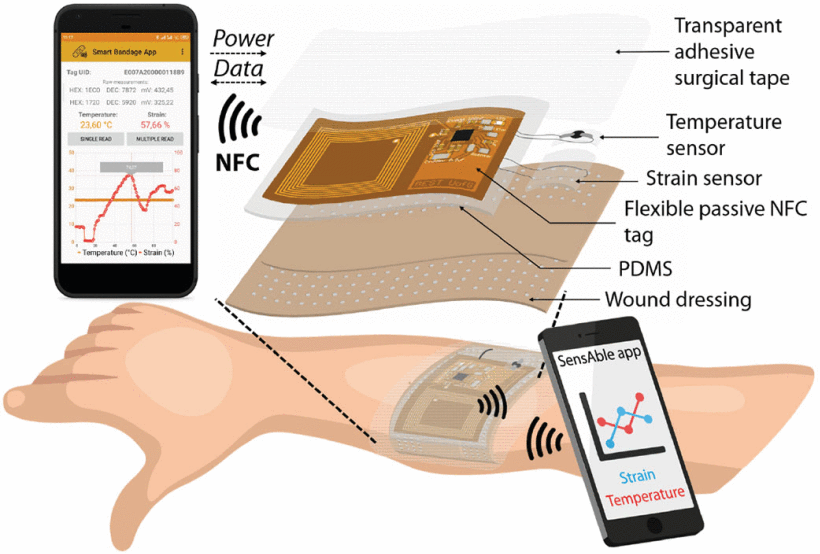
Smart bandages can accelerate healing, avoiding infections of severe injuries or surgical wounds by real-time wound assessments. The wound’s healing state can be predicted by tracking parameters like temperature, pressure, pH, and acidity. A smart bandage prototype embedded with wireless temperature and pressure sensors based on a conductive polymer, PEDOT: PSS (poly(3,4-ethylenedioxythiophene) polystyrene sulfonate), and an NFC (Near-field communication) tag is proposed. This battery-less system provides a cost-effective alternative for medical applications.
Metal-Organic Framework Materials Coupled to Optical Fibers for Chemical Sensing: A Review
Author: Chen Zhu, Rex E. Gerald, Jie Huang
Published in: IEEE Sensors Journal (Volume: 21, Issue: 18, September 2021)
Summary Contributed by: Dayarnab Baidya
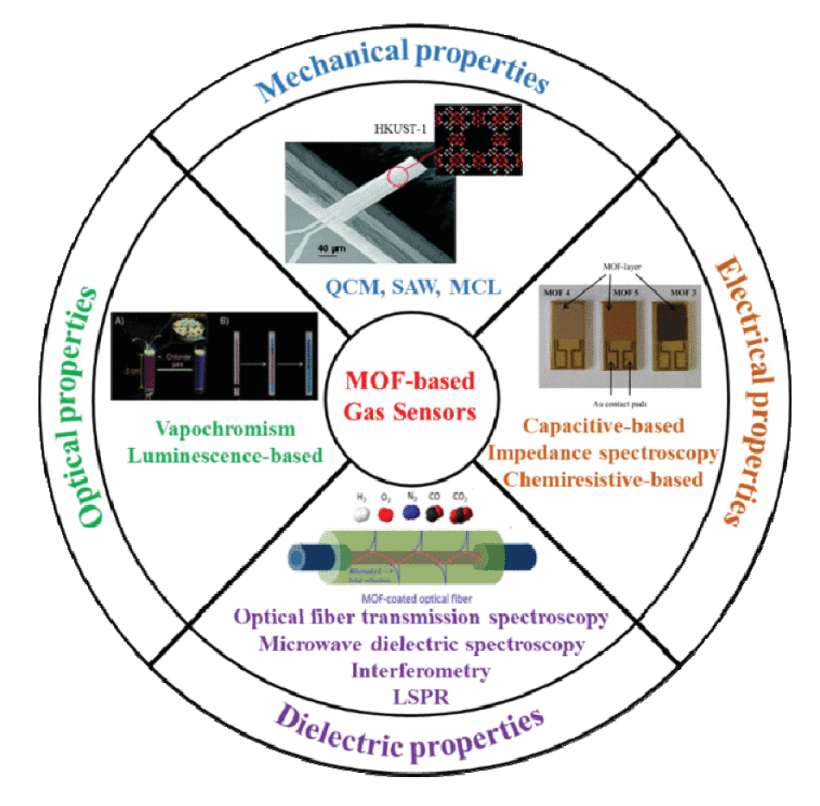
Metal-Organic Frameworks (MOFs) are crystalline nano-porous materials composed of inorganic metal nodes incorporated with organic ligands. Their remarkable structural and physicochemical tunability makes them superior to conventional chemo-sensory materials. The researcher presented a review of MOF-Optical fiber (OF) sensors based on a change in refractive index induced by adsorbed guest molecules. It demonstrated the promising potential of MOFs as dielectric coatings on OF for highly sensitive and selective chemical sensing.
Wireless Characterization and Assessment of an UWB-Based System in Industrial Environments
Author: Imanol Picallo Guembe, Peio Lopez-Iturri, Hicham Klaina, Guillermo Glaria Ezker, Félix Sáez De Jauregui Urdanoz, José Luis Zabalza Cestau, Leyre Azpilicueta, Francisco Falcone
Published in: IEEE Access ( Volume: 9)
Summary Contributed by: Francisco Falcone (Author)
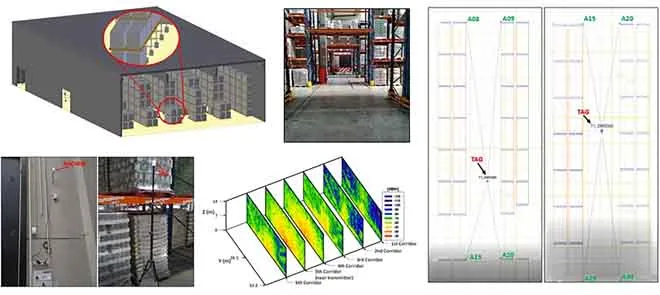
Novel Ultra-Wideband (UWB)-based wireless communication system offers precision location and tracking in industrial settings. The electromechanical interference and heavy machinery can cause severe degradation of signal. The researchers present a hybrid deterministic 3D-RL approximation algorithm for wireless channel characterization of UWB systems in industrial indoor application. The proposed methodology enables optimal system planning and implementation of UWB-based indoor tracking systems in industrial environments.
Unmanned Aerial Vehicles in Smart Agriculture: Applications, Requirements, and Challenges
Author: Praveen Kumar Reddy Maddikunta, Saqib Hakak , Mamoun Alazab, Sweta Bhattacharya, Thippa Reddy Gadekallu, Wazir Zada Khan, Quoc-Viet Pham
Published in: IEEE Sensors Journal (Volume: 21, Issue: 16, August 2021)
Summary Contributed by: Kamalesh Tripathy
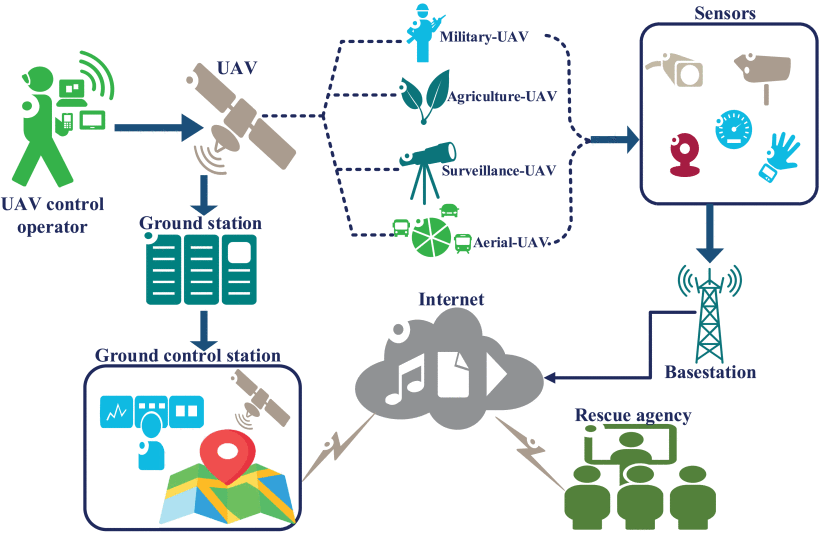
Smart agriculture is the future to meet the growing food demand. Implementing information and communication technology (ICT) with unmanned aerial vehicles (UAVs) gives a better way to monitor farming under challenging conditions. Smart and precision agriculture demand knowledge of IoT (Internet of Things) applications, design architecture, protocols, etc. This paper explores different aspects of UAV implementations, Bluetooth-based wireless communication, agricultural sensors, design architecture, etc., and their future trends.
A Survey on the Convergence of Edge Computing and AI for UAVs: Opportunities and Challenges
Author: Patrick McEnroe, Shen Wang, Madhusanka Liyanage
Published in: IEEE Sensors Journal (Volume: 9, Issue: 17, September 2022)
Summary Contributed by: Patrick McEnroe (Author)
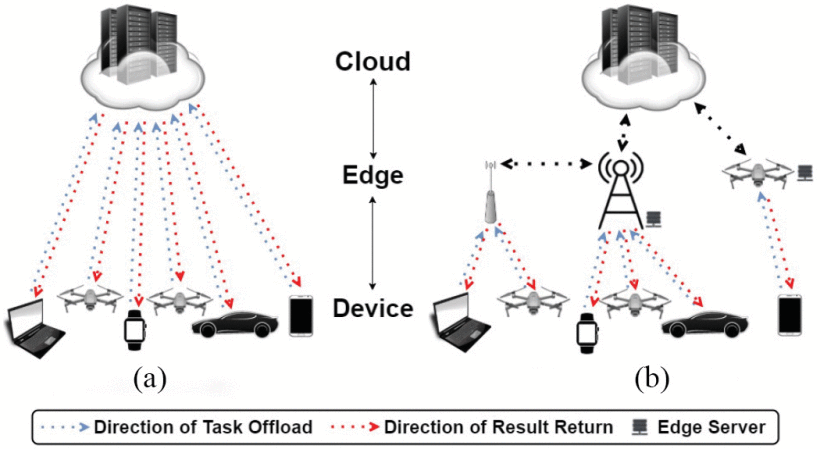
Unmanned aerial vehicles (UAV) applications are often heavily dependent on artificial intelligence (AI) methods. Traditional cloud-based AI can find it hard to meet various UAV requirements, such as low latency and energy consumption. Edge AI, where AI is run on-device or at edge servers, is a viable solution. The researchers present an in-depth review of the convergence of edge AI and UAVs.
Hand gesture recognition has become an integral part of Human-Computer Interactions. The paper introduces a methodology using a video-based dataset and convolutional neural network (CNN) model. It utilizes an RGB-Depth camera to create a dataset of six distinct hand gestures. A lightweight CNN model is then developed to detect and classify hand movements. The experimental results highlight its accuracy and efficiency, facilitating its practical use in scenarios demanding precise gesture recognition.
Time of Flight (ToF) camera sensor has emerged as a promising technology. Depth intensity pixel associated higher frame rate images, lightweight, compact design, and reduced power consumption and errors in the output have built great potential for ToF imaging in various domains. Despite its limitations like low resolutions and high noise, the ToF cameras are extensively used in computer graphics, machine vision, and robotics.
A non-profit organization, IEEE is the world's largest technical professional organization dedicated to advancing technology for the benefit of humanity.
Copyright 2023 IEEE – All rights reserved. Use of this website signifies your agreement to the IEEE Terms and Conditions
This site is also available on your smartphone.