Get exclusive breakthroughs on sensors in IoT, energy, healthcare, and more, delivered straight to your inbox.
"IEEE Sensors Alert" is a new service of the IEEE Sensors Council. Started as one of its new initiatives, this weekly digest publishes teasers and condensed versions of our journal papers in layperson's language.
Articles Posted in the Month (August 2022)
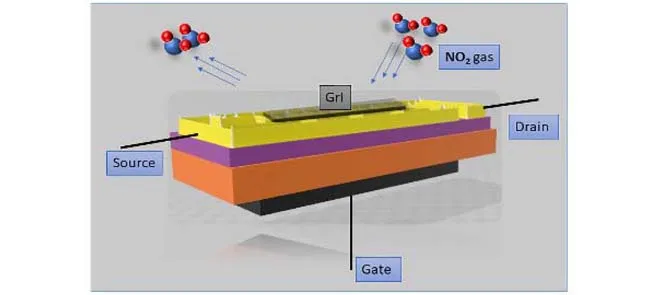
NO2 Gas Sensor Using Iodine Doped Graphene at Room Temperature with Electric Field Enhanced Recovery
Author: Monica Jaiswal, Robin Kumar, Jagjiwan Mittal, and Pika Jha
Published in: IEEE Sensors Journal (Volume: 22, Issue: 7, April 2022)
Summary Contributed by: Kamalesh Tripathy
Sensing NO2 gas in the air is an upcoming field of study due to its increased presence as an environmental pollutant and adverse effect on human health. Researchers developed a novel NO2 gas sensor using a synthesized material called the Iodine-doped Multilayer Graphene (I-MLG) to detect NO2 at its minimum concentration in air. The small doping of iodine in multi-layered graphene and the field effect transistor (FET) structure of the sensor makes the fabricated sensor rapid, reversible, compact and a good NO2 gas sensor.
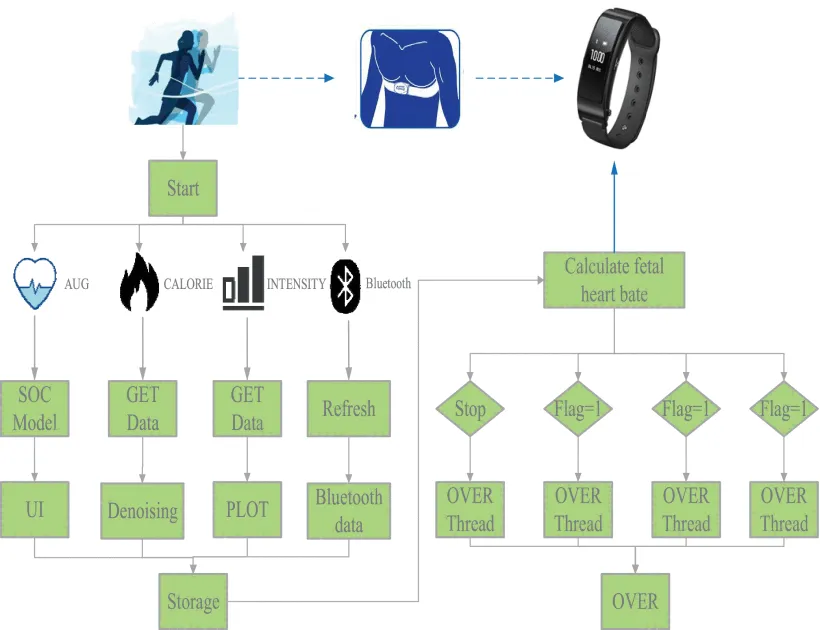
Using Adaptive Wireless Transmission of Wearable Sensor Device for Target Heart Rate Monitoring of Sports Information
Author: Zhenyong Han
Published in: IEEE Sensors Journal (Volume: 21, Issue: 22, November 2021)
Summary Contributed by: Pranjali Maru
The growing consciousness for health and fitness supported by technological advancements has made smart wearable sensor devices for health monitoring popular. A target heart rate monitoring system, extracting clean heart signals from a polluted source, is proposed for effective micro-monitoring using an adaptive optimization algorithm. The adaptive wireless transmission of sports information and detection system for smart wear is then integrated with a smartphone to display the analysis to the user in a readable format.
Published in: IEEE Sensors Journal (Volume: 22, Issue: 7, April 2022)
Summary Contributed by: Dayarnab Baidya
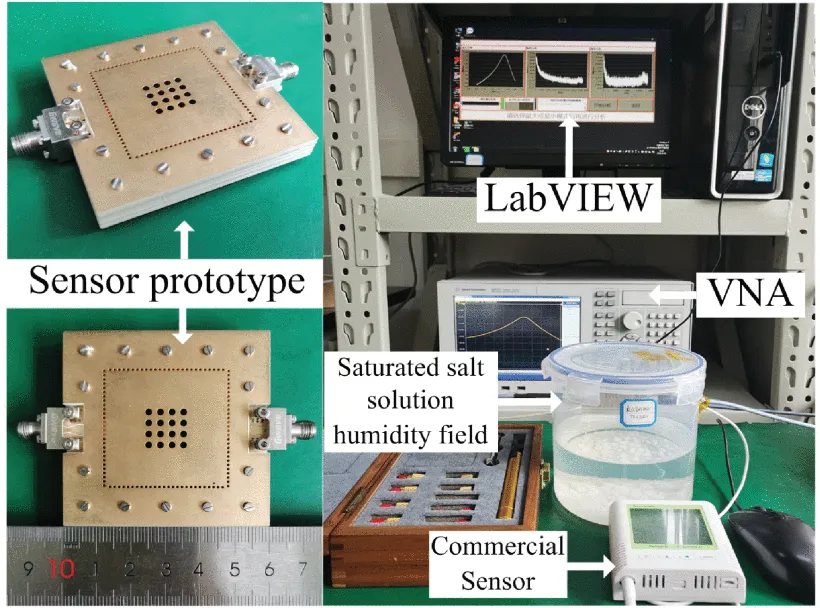
The humidity sensors are in massive demand for widespread applications in modern industries and agriculture. The novel differential humidity sensor designed by integrating air-filled substrate integrated waveguide (SIW), metal grid holes (METGH) and loaded with humidity sensitive (HS) materials boosted humidity sensing response. The longitudinally stacking of sensing and referencing resulted in a compact design, anti-temperature-interference ability, and enhanced sensitivity and resolution that could detect minor variations in environmental humidity.
Published in: IEEE Sensors Journal (Volume: 21, Issue: 18, October 2021)
Summary Contributed by: Anupama
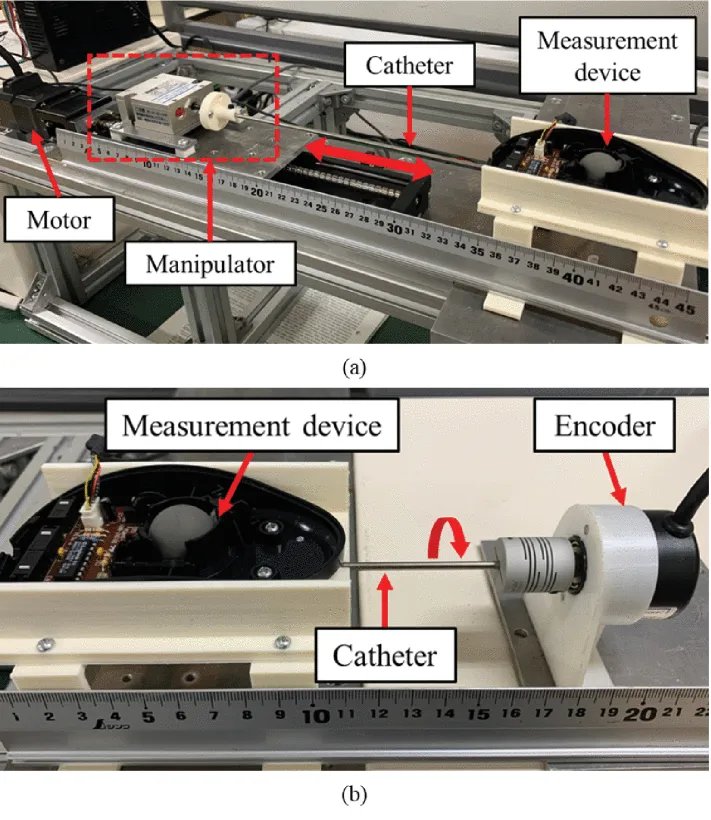
In vascular interventional surgery, experienced physicians rely on proximal force sensing to detect collisions and reduce vascular injury caused by surgical tools. However, in robot-assisted tele-interventional surgery (RATIS), providing high-precision force feedback to the physician is still the main challenge. The researchers developed a haptic robot-assisted catheter operating system with a novel spring-based haptic force interface. With a closed loop force adjustment system, the haptic force interface can provide accurate force feedback. Moreover, a collision protection function with a proximal-force-based collision detection algorithm was proposed to improve surgical safety. In case of no collision, transparency of the teleoperated system is realized; in case of collision, the provided haptic force will be amplified. The results demonstrated the usability of the developed haptic robot-assisted catheter operating system with collision protection function.
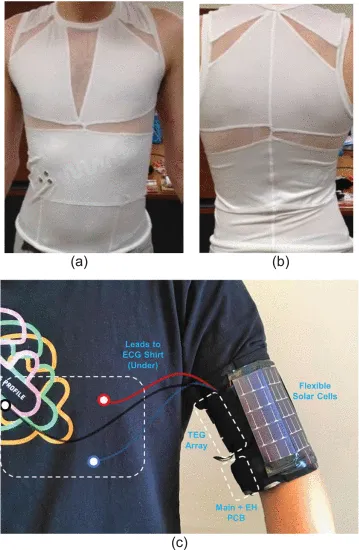
Self-Powered Cardiac Monitoring: Maintaining Vigilance With Multi-Modal Harvesting and E-Textiles
Author: Luis Javier Lopez Ruiz, Matthew Ridder, Dawei Fan, Jiaqi Gong , Braden Max Li, Amanda C. Mills, Elizabeth Cobarrubias, Jason Strohmaier, Jesse S. Jur , and John Lach
Published in: IEEE Sensors Journal (Volume: 21, Issue: 2, January 2021)
Summary Contributed by: Pranjali Maru
The advancements in sensors and circuits have led to the development of self-powered wearable sensing systems. Among many it could be used for uninterrupted active and vigilant cardiac monitoring by means of sensing and streaming electrocardiogram (ECG) and motion data to a smartphone. It enables effective care in a non-intrusive manner. Multi-modal energy harvesting from natural sources and integration with e-textiles make these sensing systems a considerable success.
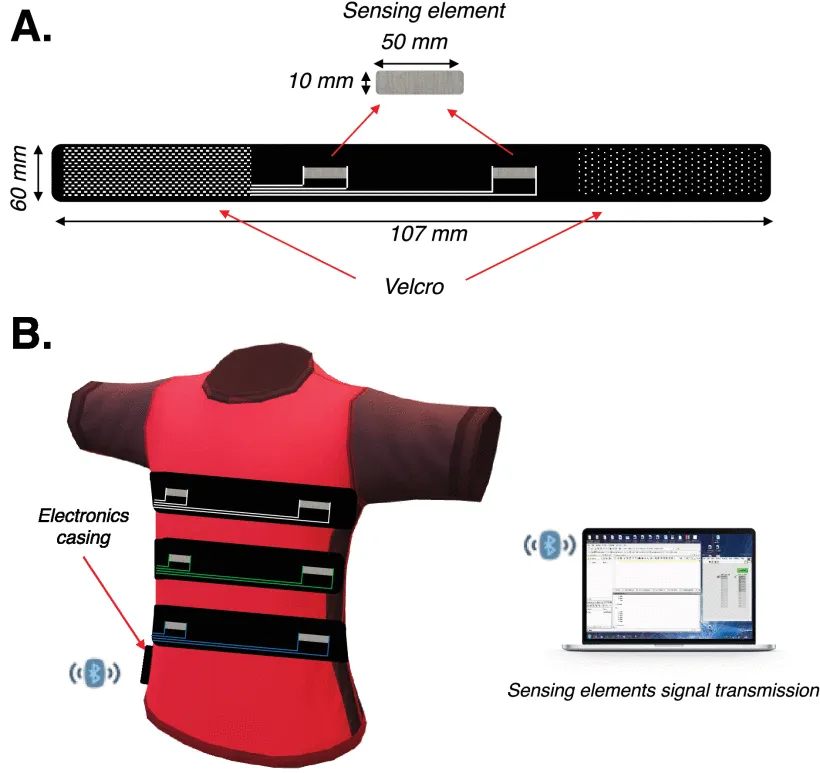
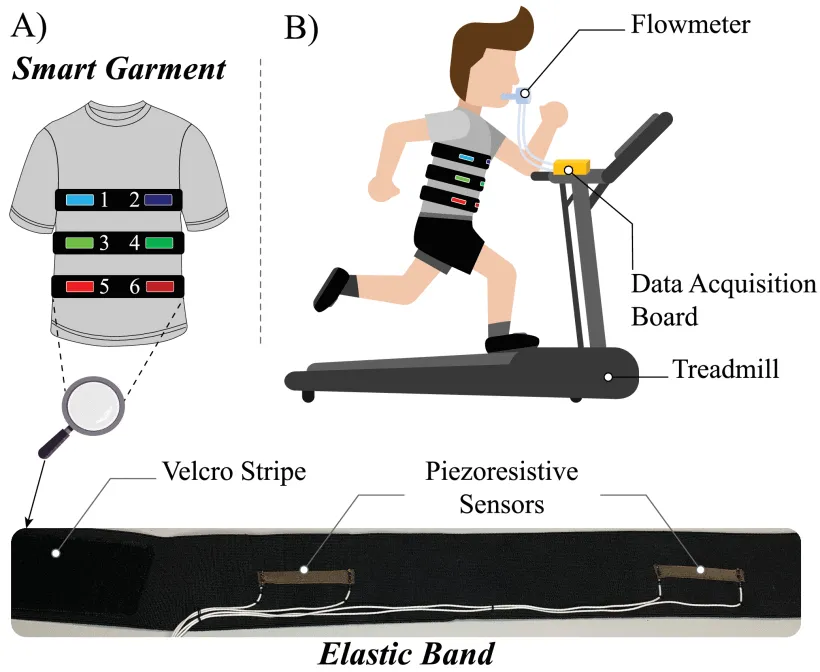
Respiratory Monitoring During Physical Activities with a Multi-Sensor Smart Garment and Related Algorithms
Author: Carlo Massaroni , Joshua Di Tocco, Marco Bravi, Arianna Carnevale, Daniela Lo Presti, Riccardo Sabbadini, Sandra Miccinilli, Silvia Sterzi, Domenico Formica, Emiliano Schena
Published in: IEEE Sensors Journal (Volume: 20, Issue: 4, February 2020)
Summary Contributed by: Anupama
Wearable devices for continuous monitoring of physiological parameters have acquired significance for their usage in healthcare and sports science. Among other vital parameters, the measurement of respiration rate is crucial since it could be used to detect physiological abnormalities and health status changes and even help predict cardiac arrest. The multi-sensor smart garments made of conductive yarns show great potential in developing efficient, noninvasive, and unobtrusive respiration rate monitors.
Optimization of Sports Training Systems Based on Wireless Sensor Networks Algorithms
Author: Jun Yang and Wu Lv
Published in: IEEE Sensors Journal (Volume: 21, Issue: 22, November 2021)
Summary Contributed by: Anupama
Sports trainers traditionally use vision-based motion recognition technology and qualitative analysis to develop personalized training strategies for each athlete. Wireless Sensor Network-based smart monitoring system can track an athlete’s performance and biometrics in real-time and analyze it on cloud-based platforms. The results can help the trainers develop an informed training strategy for the athletes.
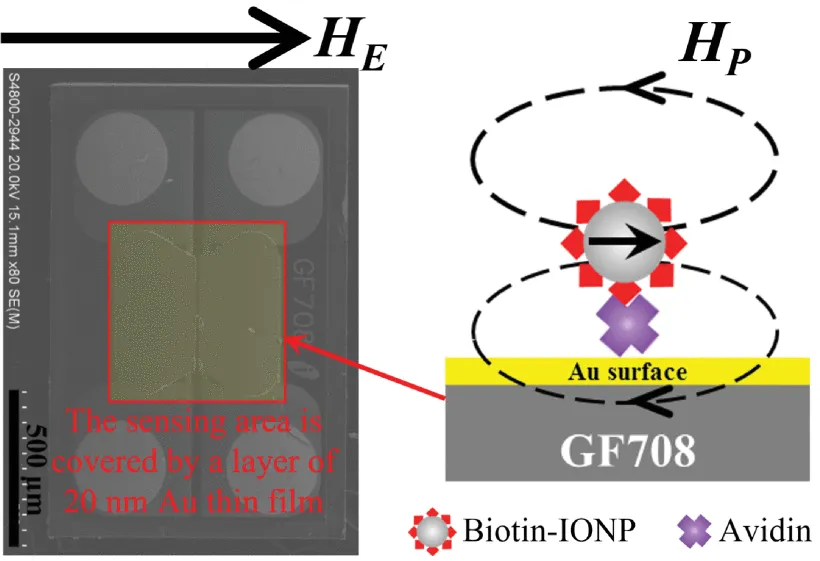
A Linear Slope Analyzing Strategy of GMR Sensor Transfer Curve for Static Detection of Magnetic Nanoparticles
Author: Shuai Yuan , Yimeng Du, and Philip W. T. Pong
Published in: IEEE Sensors Journal (Volume: 21, Issue: 21, November 2021)
Summary Contributed by: Pranjali Maru
Magnetic Nanoparticles (MNPs) have found promising applications in various upcoming technologies. The quantity of MNPs helps detect the biomolecules of the magnetic bio-detection platform marked by magnetic labels. Compared to the traditional subtraction method, a new linear slope analyzing strategy based on giant magnetoresistance (GMR) platform shows impressive performance.
Electronic Waste Reduction through Devices and Printed Circuit Boards designed for Circularity
Author: Moupali Chakraborty; Jeff Kettle; Ravinder Dahiya
Published in: IEEE Journal on Flexible Electronics (Volume: 1, Issue: 1, Jan. 2022)
Summary Contributed by: Ravinder Dahiya (author)
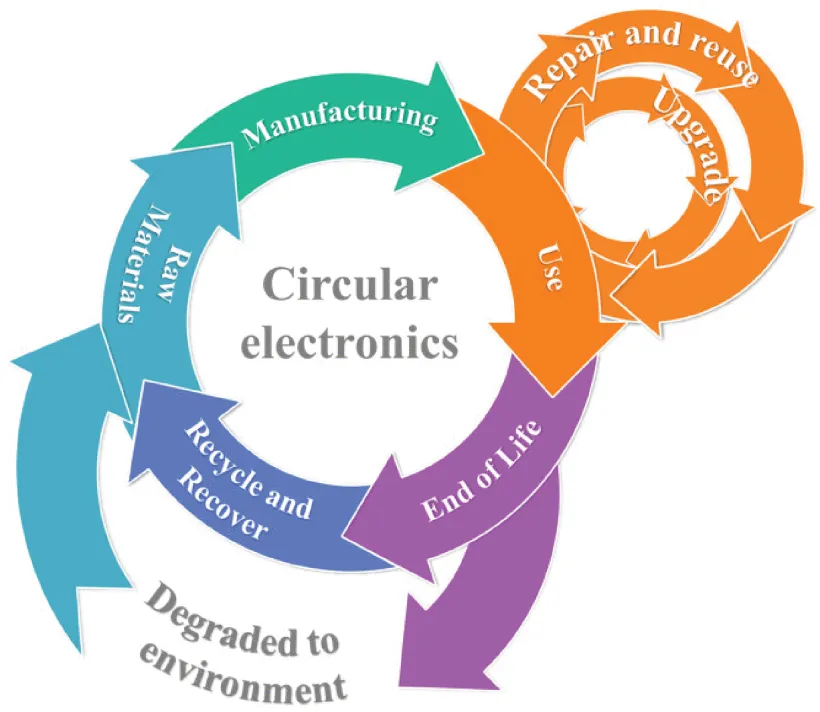
The extensive use of electronic goods has accelerated the threat of the rise in electronics waste (e-Waste). Its unregulated disposal causes environmental and health issues. Despite international policies and associated legalization, the exponential growth in production of waste Printed Circuit boards (WPCBs), use of poor raw material and energy-hungry manufacturing processes have spiked this problem as unsustainable. The use of emerging eco-friendly materials, resource-efficient manufacturing processes, and new technologies are needed to improve the industry's sustainability.
Summary Contributed by: Nauman Ali Choudhry (author)
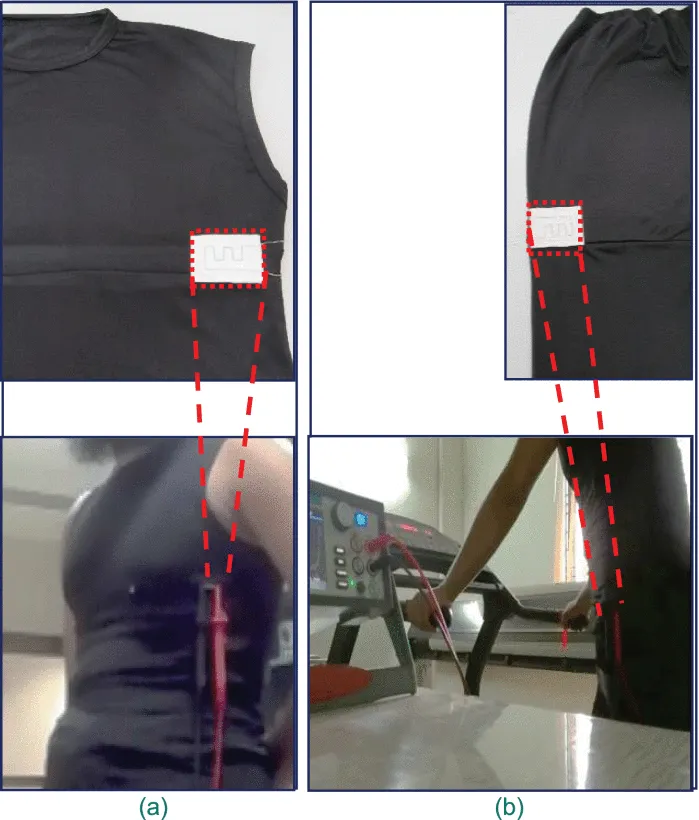
Electronic textiles (E-textiles) have recently emerged as a promising technology and will soon transform the wearable industry. Due to its flexibility and ease of embedding in garments, wearable sensing has become a favourite choice for continuous health monitoring of athletes and medical patients. Advancements in textile-based sensors significantly impact the quality of life and will play an important role in the field of Internet of Things (IoT).
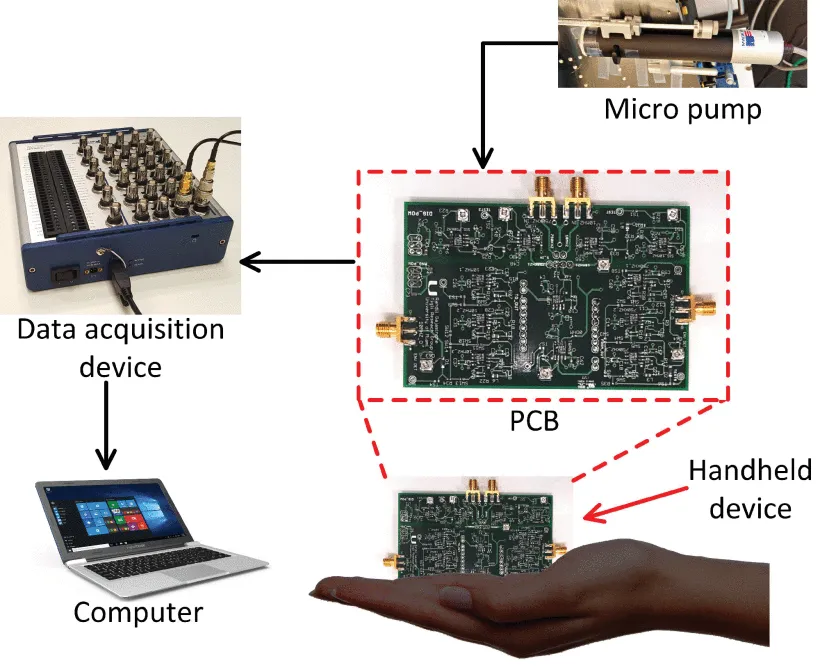
Though still not widespread in clinical applications, the detection of circulating tumor cells (CTC) attracts researchers' interest as a technique to diagnose and monitor cancer patients. They have been working on developing a miniaturized, portable, low cost, mass-producible device with the potential for automated and non-invasive diagnostics of CTCs in blood samples at point-of-care locations.
Portable Sensing Devices for Detection of COVID-19: A Review
Author: Deniz Sadighbayan, Ebrahim Ghafar-Zadeh
Published in: IEEE Sensors Journal (Volume: 21, Issue: 9, May 2021)
Summary Contributed by: Deniz Sadighbayan, Ebrahim Ghafar-Zadeh (authors)
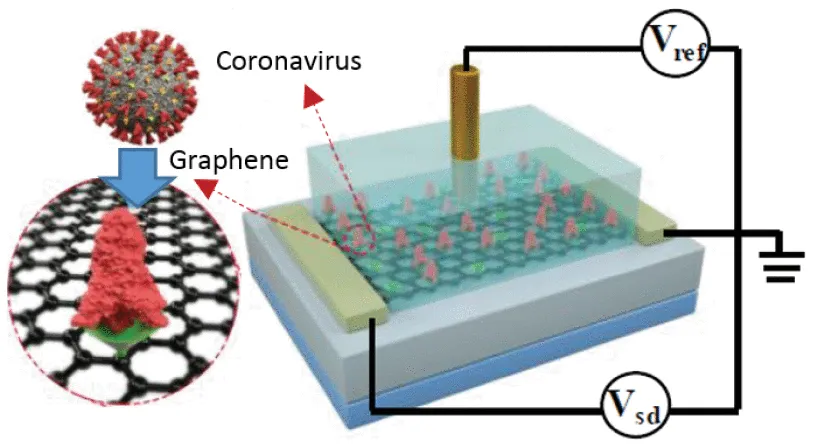
Portable biosensing systems are crucial in deterrence, timely detection, and intensive care of pandemic-causing diseases like the disastrous COVID-19. The Global emergency led researchers to accelerate the development of portable diagnostic devices for recognizing SARS-CoV-2 and advancing the existing biosensor technology such as electrochemical, optical, and electrical for detecting other viruses and low viral loads.
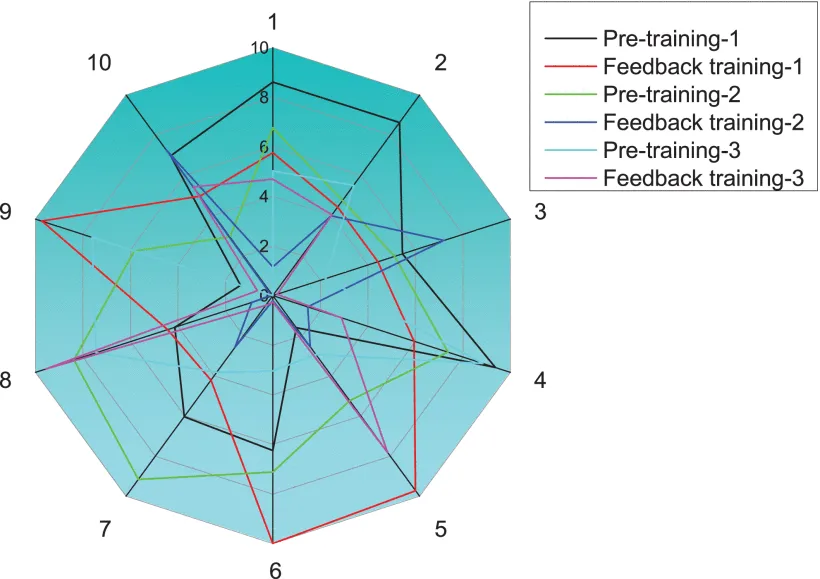
A PCA-based method to select the number and the body location of piezoresistive sensors in a wearable system for respiratory monitoring
Author: Luigi Raiano, Joshua Di Tocco, Carlo Massaroni, Giovanni Di Pino, Emiliano Schena, Domenico Formica
Published in: IEEE Sensors Journal (Volume: 21, Issue: 5, March 2021)
Summary Contributed by: Leena Jha
The optimal number and body location of piezoresistive sensors to design wearables for monitoring respiratory rate are still debated. A Principal Component Analysis (PCA) based method developed to address this challenge considered different references (i.e., at rest and during walking/running). Trials demonstrated that real-time situations strongly influence the number of sensors and their location to optimize wearable performances.
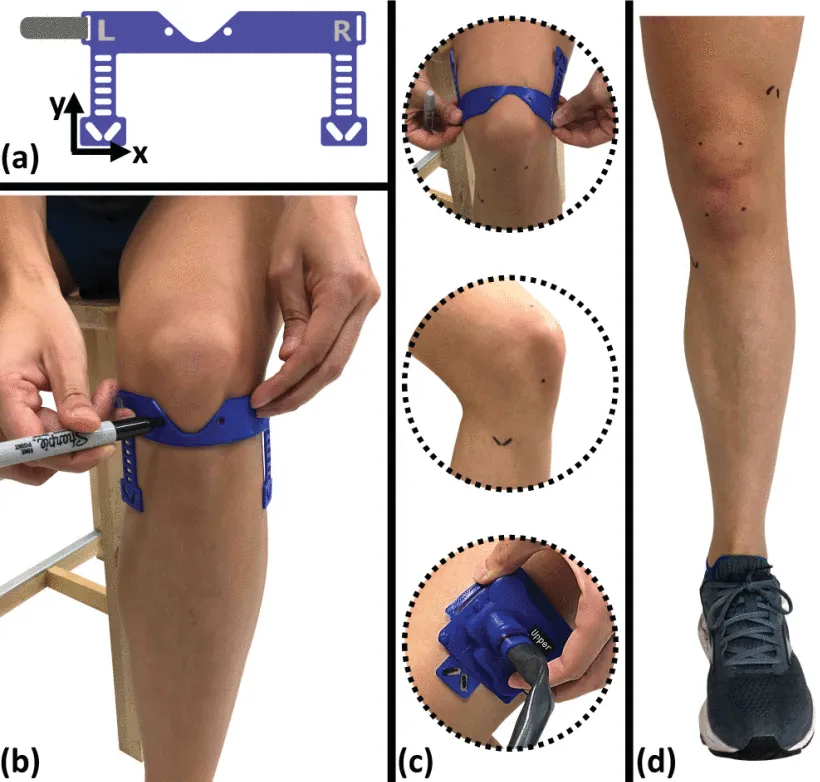
A Wearable, Multimodal Sensing System to Monitor Knee Joint Health
Author: Caitlin N. Teague, J. Alex Heller, Brandi N. Nevius, Andrew M. Carek , Samer Mabrouk , Florencia Garcia-Vicente, Omer T. Inan , Mozziyar Etemadi
Published in: IEEE Sensors Journal ( Volume: 20, Issue: 18, September 2020)
Summary Contributed by: Anupama
Knee injuries and other minor or chronic knee conditions are prevalent. Monitoring rehabilitation or medication progress in knee treatment is time-consuming, expensive, and requires regular imaging, follow-ups, and several tests. However, knee health can be monitored and “joint health score” calculated remotely with wearable sensors that pick up sound, swelling, temperature and motion. Packaging these sensors into a wearable brace is vital for monitoring the knee.
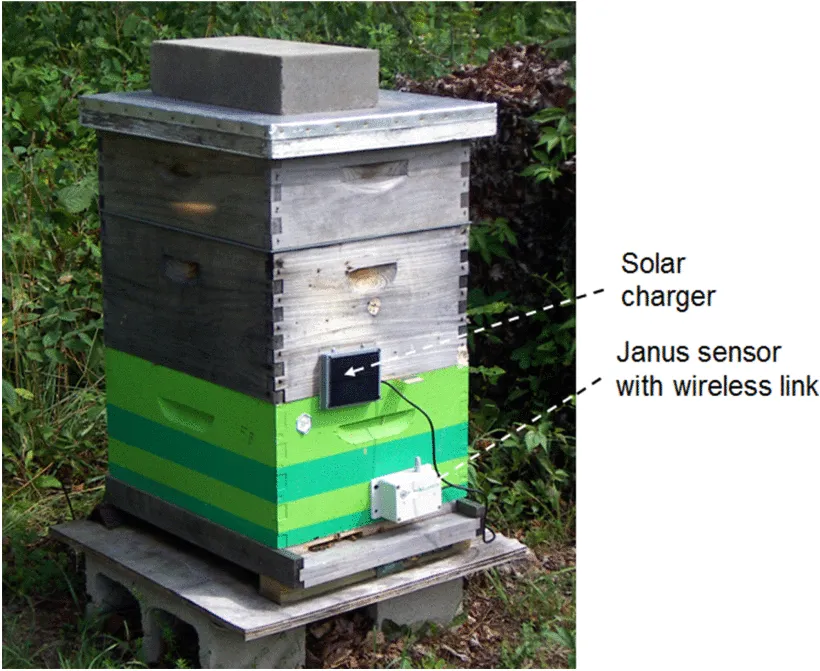
Janus: A Combined Radar and Vibration Sensor for Beehive Monitoring
Author: Herbert M. Aumann; Margery K. Aumann; Nuri W. Emanetoglu
Published in: IEEE Sensors Letters (Volume: 5, Issue: 3, March 2021)
Summary Contributed by: Anupama
The two-faced sensor system, JANUS, is designed to help beekeepers track bee activities like ‘Swarming’ and ‘Robbing’. The outward-looking Doppler radar monitors the bee flights while the inward-looking piezoelectric transducer senses the vibrations made by bees inside the hive. Researchers were able to use the level, duration and correlation between the two sensor signals to provide sufficient indication about different types of bee activity.
MEMS gyroscope has advanced with the advancements in processing and manufacturing technology. However, their structure and system-based noise level continue to pose challenges in proper implementation and restrict their performance with high accuracy and precision. This paper proposes a system-level noise model that analyzes the relationship between frequency split and noise performance. It identifies noise sources and contributes to bias instability, establishing a frequency-tuning criterion for different noise requirements.
Complex multi-sensor networks face challenges in storage management, data processing and resource optimization. Data fusion methods analyze and integrate diverse sensor information to produce coherent and accurate information. Researchers propose an adaptive weighted fusion algorithm on grouped sensor data that can efficiently reduce data redundancy, optimize resources, and lower network congestion. It showed higher accuracy and energy efficiency than other fusion algorithms.
A non-profit organization, IEEE is the world's largest technical professional organization dedicated to advancing technology for the benefit of humanity.
Copyright 2023 IEEE – All rights reserved. Use of this website signifies your agreement to the IEEE Terms and Conditions
This site is also available on your smartphone.