Get exclusive breakthroughs on sensors in IoT, energy, healthcare, and more, delivered straight to your inbox.
"IEEE Sensors Alert" is a new service of the IEEE Sensors Council. Started as one of its new initiatives, this weekly digest publishes teasers and condensed versions of our journal papers in layperson's language.
Articles Posted in the Month (April 2023)
A Hybrid Posture Detection Framework: Integrating Machine Learning and Deep Neural Networks
Published in: IEEE Sensors Journal (Volume: 21, Issue: 7, April 2021)
Summary Contributed by: Sidrah Liaqat (Author)
Posture detection is important for monitoring health status. Incorrect postures may cause muscle weaknesses and body pain. The novel hybrid remote posture detection method developed by integrating machine learning (ML) and deep learning (DL) has produced promising results with 98% accuracy. Remote posture monitoring has the edge over camera-based, and wearable devices due to its privacy preserved feature.
Application of Physiological Sensors for Personalization in Semi-Autonomous Driving: A Review
Author: Edric John Cruz Nacpil, Zheng Wang, Kimihiko Nakano
Published in: IEEE Sensors Journal (Volume: 21, Issue: 18, September 2021)
Summary Contributed by: Kamalesh Tripathy
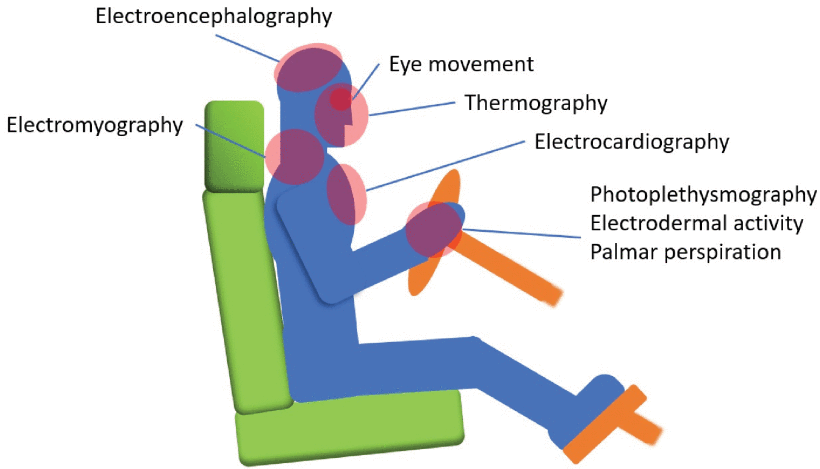
With the increasing popularity and demand of autonomous vehicles, the safety, privacy, and comfort of the occupants have become prime concerns. The vehicle system can use various sensors to monitor the occupants' physical and mental health and collect behavioral data for further research and improvisation. The researchers present a detailed study on physiological sensors incorporated into the autonomous vehicle for emergencies or non-emergency circumstances.
Published in: IEEE Sensors Journal (Volume: 22, Issue: 1, January 2022)
Summary Contributed by: Hongmin Zhu (author)
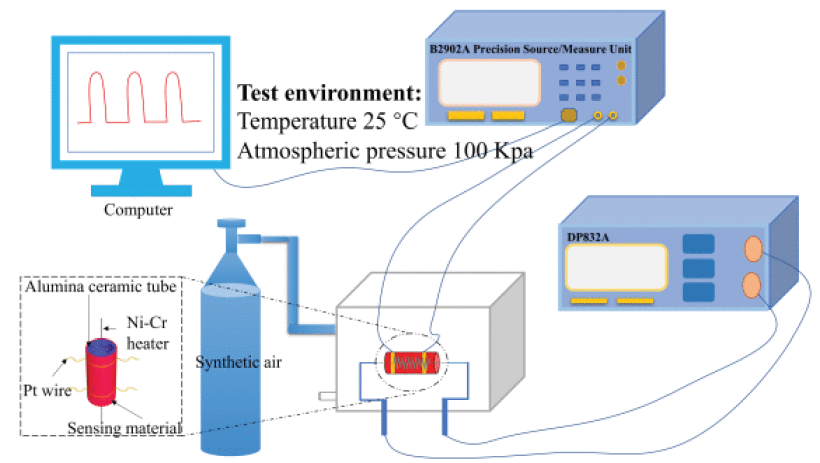
Butanone is an organic compound found in nature in traces and produced industrially on a large scale. It is extensively used in household products, industries, and labs. However, prolonged exposure to butanone is harmful, making its sensing and detection important. The researchers present an investigation on the butanone sensing properties of ZnO sensors and the effect of particle size on the detection of butanone by ZnO nanocrystals.
Online Wear Particle Detection Sensors for Wear Monitoring of Mechanical Equipment?A Review
Author: Ran Jia, Liyong Wang, Changsong Zheng, Tao Chen
Published in: IEEE Sensors Journal (Volume: 22, Issue: 4, February 2022)
Summary Contributed by: Laxmeesha Somappa
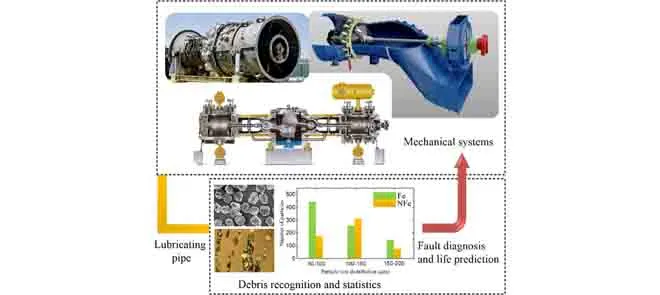
Mechanical equipment with moving parts is prone to wear that may lead to mechanical failures, damage, or even accidents. Monitoring the machinery to check its health and alert of any probable wear status is essential. The researchers here review the pros and cons of online wear particle detection sensors for real-time wear monitoring of the wear state of mechanical equipment.
Current Sensing Front-Ends: A Review and Design Guidance
Author: Da Ying, Drew A. Hall
Published in: IEEE Sensors Journal (Volume: 21, Issue: 20, October 2021)
Summary Contributed by: Drew A. Hall (Author)
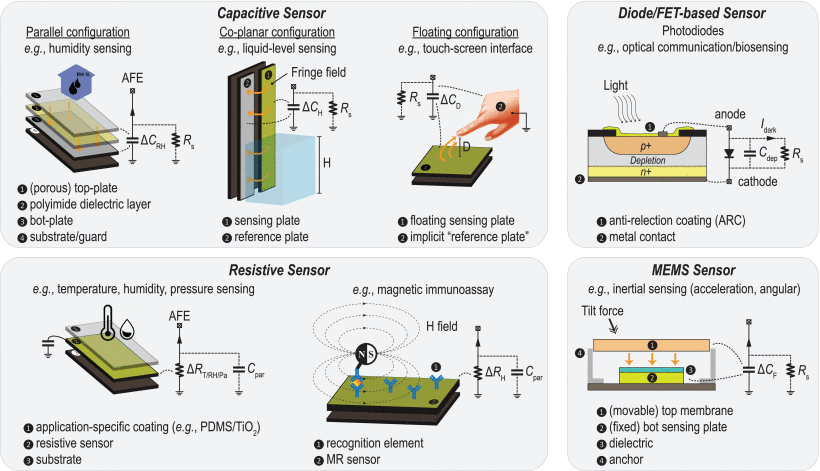
Sensors have become a part of everyday life, seamlessly connecting the physical and electronic worlds. The paper focuses on the current-output sensing technique, providing information and analytical study of various sensors and design guidance of current readout circuits. Additionally, state-of-the-art current-sensing frontends are analyzed concerning gain, bandwidth, stability, and noise. The paper presents insights into general design architectures and their performance tradeoffs.
Published in: IEEE Sensors Journal (Volume: 22, Issue: 2, January 2022)
Summary Contributed by: Pranjali Maru
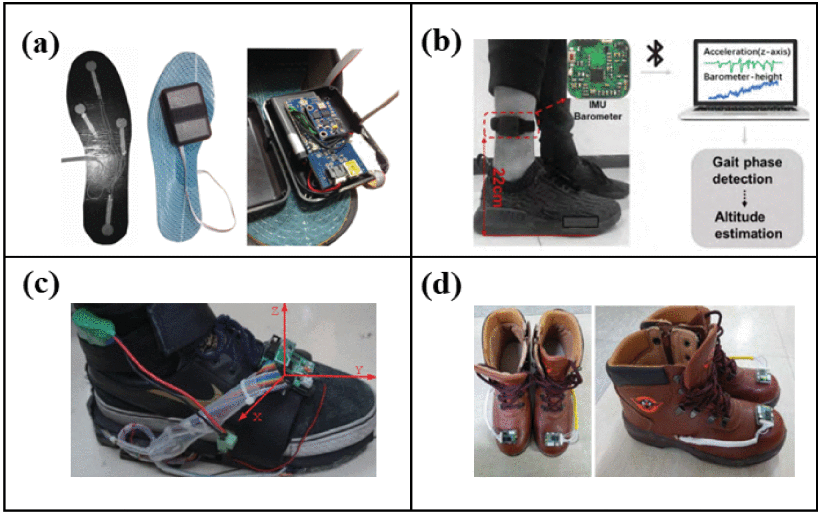
Wearable gait recognition systems incorporating MEMS (micro-electromechanical systems) sensors are in demand because of their pivotal use in disease prevention, robotics, and identity recognition. Data pre-processing, filtering, and segmenting can successfully assist in detecting human gait. The patterns of the gaits are then analyzed to derive meaningful results. This exciting new domain has proven to be a lifesaver time and again.
Published in: IEEE Sensors Journal (Volume: 21, Issue: 7, April 2021)
Summary Contributed by: Takuya Sakamoto (Author)
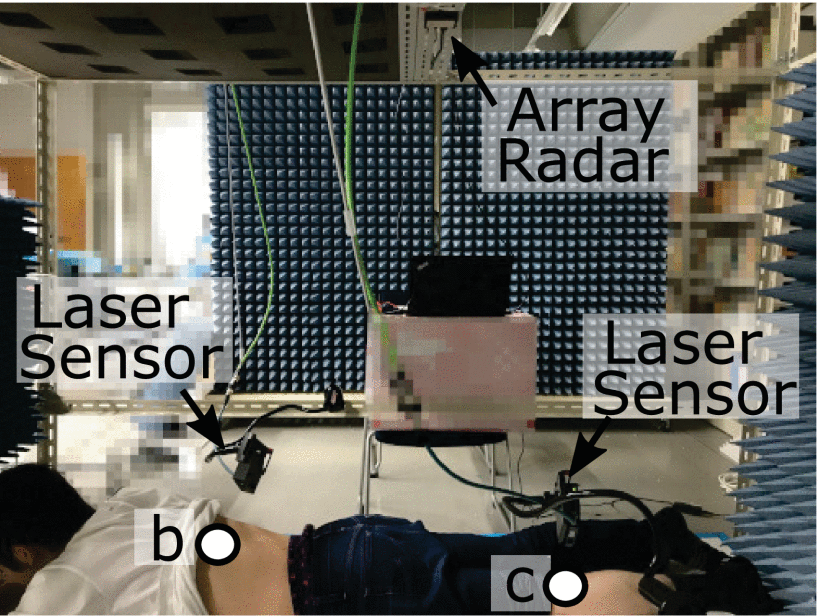
Early detection and diagnosis of Cardiovascular diseases save lives. The arterial pulse wave velocity (PWV) is one of the essential parameters to diagnose and monitor cardiovascular risk and condition. In the emerging trends of noncontact monitoring, the researchers experimentally demonstrated the accuracy of contactless technology for measuring arterial pulse wave propagation using an array radar system and laser displacement sensors that could replace contact monitoring.
Soft Biomimetic Optical Tactile Sensing With the TacTip: A Review
Author: Nathan F. Lepora
Published in: IEEE Sensors Journal (Volume: 21, Issue: 19, October 2021)
Summary Contributed by: Dayarnab Baidya
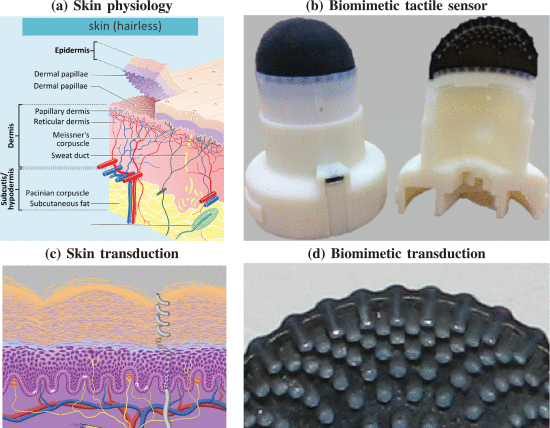
The sense of touch has a different significance in the human body than other senses, like hearing, sight, smell, and taste. The dexterous use of our hands for touch depends on the intelligent use of tactile perception. However, robotic hands lack the same level of dexterity as human hands. The researchers are working to develop methods to simulate the capabilities of the human sense of touch in machines.
Wireless Power and Data Transmission for Implanted Devices via Inductive Links: A Systematic Review
Author: Mohammad Javad Karimi, Alexandre Schmid, Catherine Dehollain
Published in: IEEE Sensors Journal (Volume: 21, Issue: 6, March2021)
Summary Contributed by: Mohammad Javad Karimi (Author)
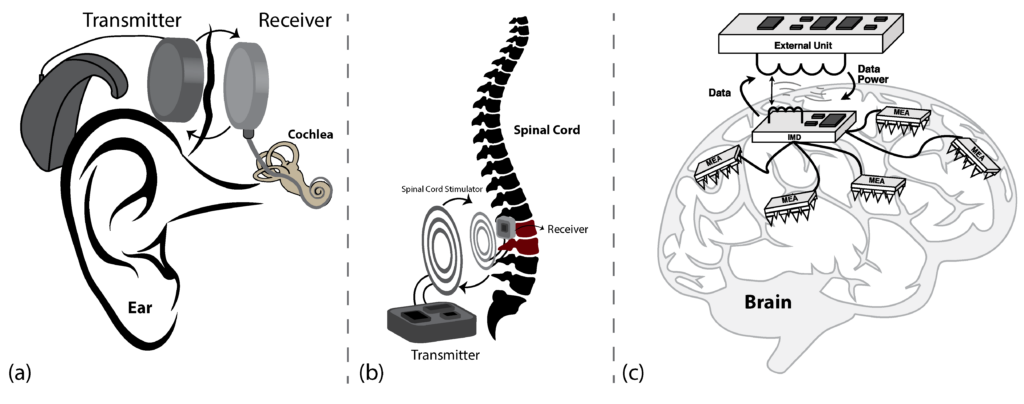
Implantable medical devices (IMD) are developed to control and report acquired biological data from an implanted device in the body or brain to an external stage for biomedical purposes. They receive power from batteries or wireless power transmissions (WPT). Due to their simplicity and safety, magnetic waves are extensively studied and developed for powering in biomedical applications.
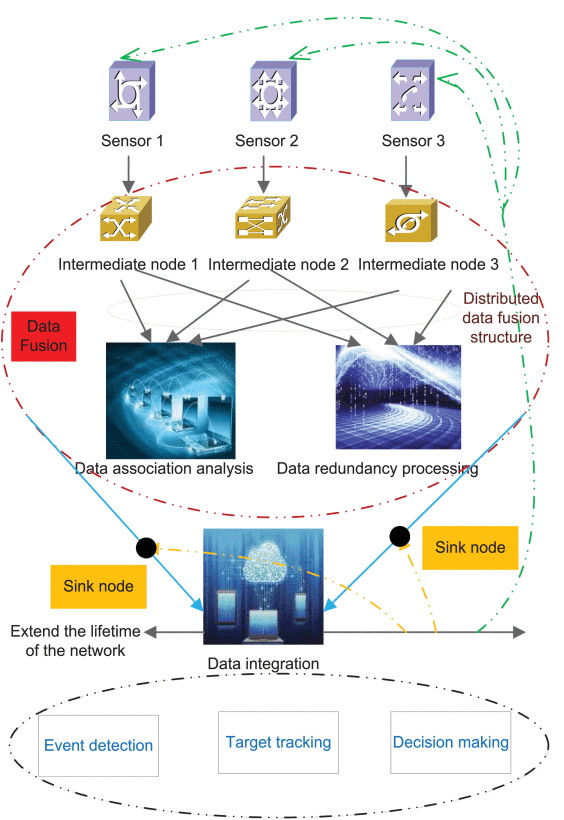
Multi-Sensor Complex Network Data Fusion Under the Condition of Uncertainty of Coupling Occurrence Probability
Author: Xianfeng Li, Sen Xu
Published in: IEEE Sensors Journal (Volume: 21, Issue: 22, November 2021)
Summary Contributed by: Payal Savani
Complex multi-sensor networks face challenges in storage management, data processing and resource optimization. Data fusion methods analyze and integrate diverse sensor information to produce coherent and accurate information. Researchers propose an adaptive weighted fusion algorithm on grouped sensor data that can efficiently reduce data redundancy, optimize resources, and lower network congestion. It showed higher accuracy and energy efficiency than other fusion algorithms.
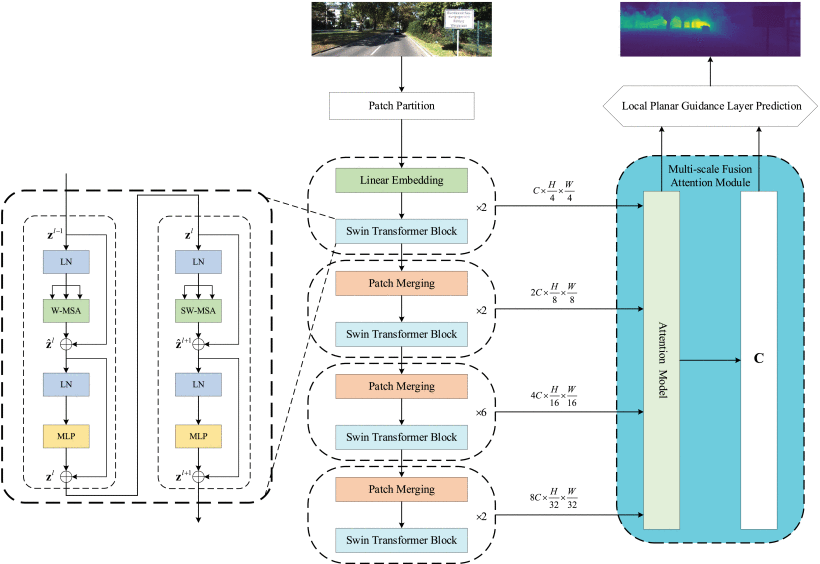
Swin-Depth: Using Transformers and Multi-Scale Fusion for Monocular-Based Depth Estimation
Author: Zeyu Cheng, Yi Zhang, Chengkai Tang
Published in: IEEE Sensors Journal (Volume: 21, Issue: 23, December 2021)
Summary Contributed by: Zeyu Cheng (Author)
Depth estimation using monocular sensors is an important and challenging task in computer vision. The paper proposes a monocular depth estimation network Swin-Depth, which estimates the depth of a scene from only a single image. The proposed method achieved state-of-the-art results on challenging datasets based on hierarchical representation learning in Transformer-based monocular depth estimation networks and multi-scale fusion attention. It provides an accurate and efficient solution to the depth estimation problem.
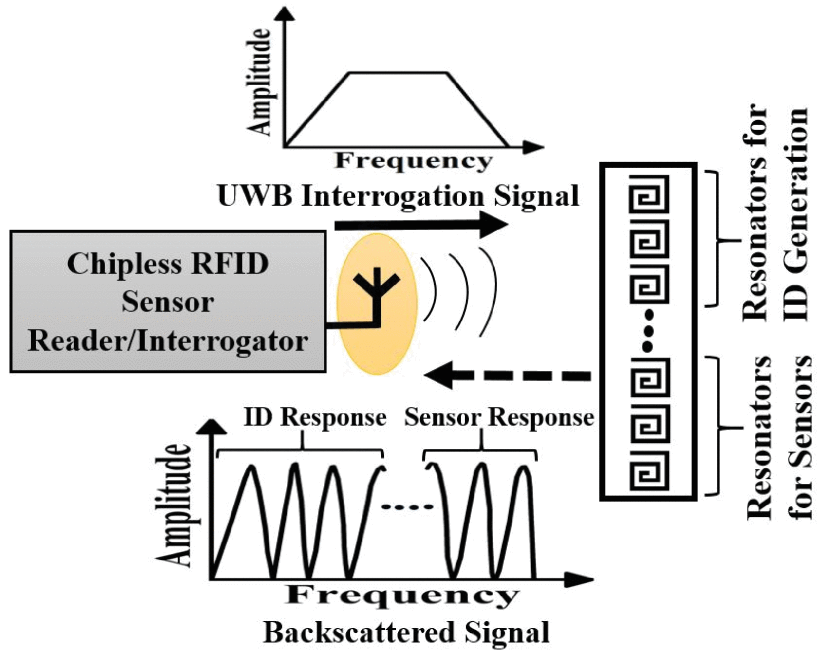
Chipless RFID Sensors for Wearable Applications: A Review
Author: Santanu Kumar Behera
Published in: IEEE Sensors Journal (Volume: 22, Issue: 2, December 2022)
Summary Contributed by: Anupama
RFID-a radio-frequency identification technology, is gaining popularity as a wireless sensor for track and trace applications. The high cost of chipped-RFID tags makes them unsuitable for mass production. The Chipless-RFID tag is lightweight, durable, reliable, and energy-sufficient and can be mass-produced using inexpensive conductive inks or yarns. Improving range and data capacity in chipless-RFID tags could make them indispensable as wearables.
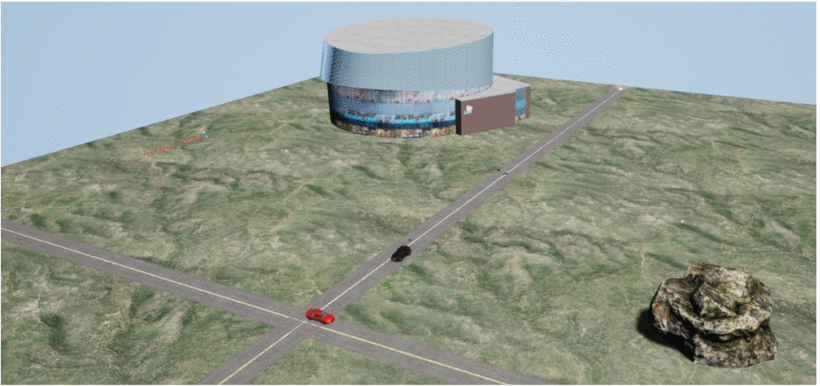
Realistic LiDAR With Noise Model for Real-Time Testing of Automated Vehicles in a Virtual Environment
Author: Juan P. Espineira, Jonathan Robinson, Jakobus Groenewald, Pak Hung Chan, Valentina Donzella
Published in: IEEE Sensors Journal (Volume: 21, Issue: 8, April 2021)
Summary Contributed by: Juan P. Espineira (Author)
The advancement in the automotive industry has made connected automotive solutions a reality. However, real-time testing and evaluating the solutions in the virtual environment is crucial to validate their safety and reliability. The paper presents a simulated LiDAR model with a rain model that runs in real-time in a high-fidelity simulated environment. It enables real-time testing using LiDAR data to be completed in a virtual environment.
Design and Realization of Wide Field-of-View 3D MEMS LiDAR
Author: Chia-Hsing Lin, Hao-Sheng Zhang, Chia-Ping Lin, Guo-Dung J. Su
Published in: IEEE Sensors Journal (Volume: 22, Issue: 1, January2022)
Summary Contributed by: Dayarnab Baidya
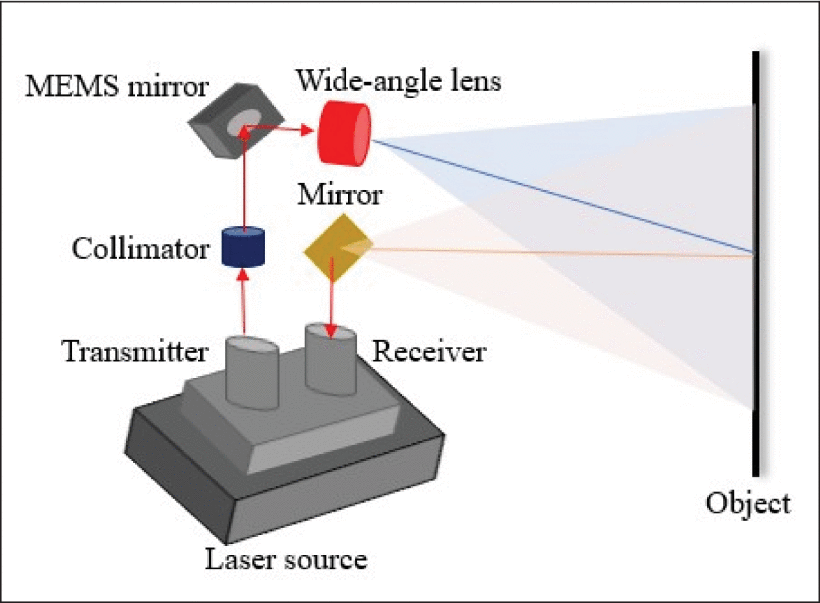
The usual MEMS mirror-based Light detection and ranging (LiDAR) systems are suitably lightweight and accurate but have a narrow field of view (FOV). The proposed LiDAR prototype with a customized wide-angle lens in front of the MEMS mirrors could successfully scan a large FOV to produce a 3D image with negligible distortion. Successful integration may increase its potential use in autonomous vehicles, drones, mobile robotic devices, disaster prediction etc.
Polymer Optical Fiber Liquid Level Sensor: A Review
Author: Runjie He, Chuanxin Teng, Santosh Kumar, Carlos Marques, Rui Min
Published in: IEEE Sensors Journal (Volume: 22, Issue: 2, January 2022)
Summary Contributed by: Rui Min (Author)
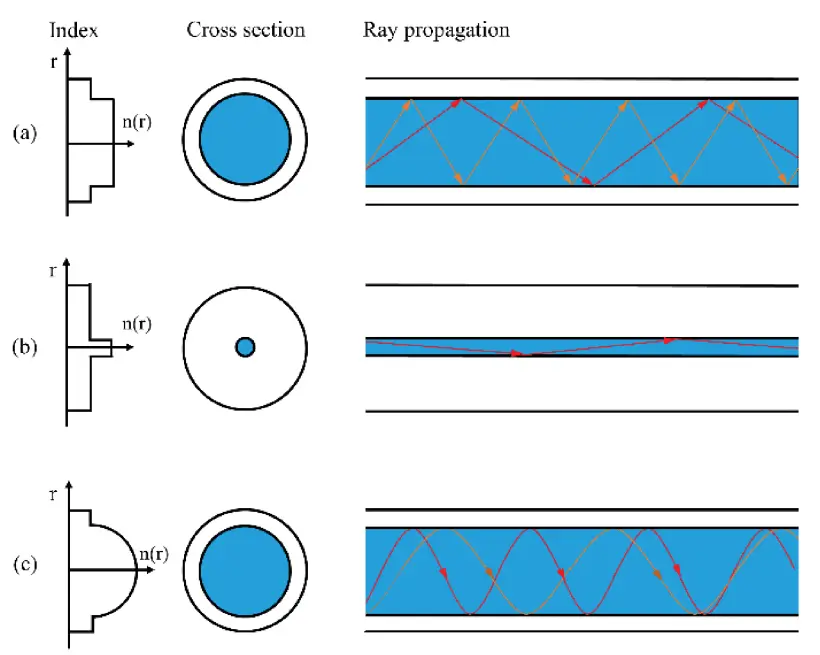
Polymer optical fibers (POFs) are compact, flexible, and resistant to chemical corrosion and electromagnetic interference. POFs are an excellent choice for high accuracy liquid level sensing. The materials like polymethyl methacrylate (PMMA) and perfluorinated polymer (CYTOP) are selected based on their bandwidth, chemical, and absorption characteristics. POFs with intensity modulation and wavelength modulation show better performance in liquid-level sensing.
GPS-based navigation, widely used worldwide, is cost-effective for providing position, velocity, and time data. However, it is susceptible to spoofing, especially in UAVs (unmanned aerial vehicles). The paper proposes a GPS spoofing detection and mitigation method using distributed radar tracking and data fusion techniques. The approach combines primary and secondary data through extended Kalman filters and track-to-track association. It ensures accuracy even during spoofing attacks, making it ideal for drone swarms.
In recent years, Micro-processor controlled prosthetic legs (MPCPL) are being preferred over conventional prosthetics because they use actuators to replace missing joint function and hence are more functional. Due to this the user’s walking gait and metabolic energy consumption can be imitated very well. The state-of-the-art MPCPL takes commands from the brain through muscles motion, converts that into the user’s gait intention and performs the locomotive motion based on the kinetics sensory system’s input. Very soon the comfort of the motion control will be complimented by taking inputs of eyes and ears to ensure gait further safer.
A non-profit organization, IEEE is the world's largest technical professional organization dedicated to advancing technology for the benefit of humanity.
Copyright 2023 IEEE – All rights reserved. Use of this website signifies your agreement to the IEEE Terms and Conditions
This site is also available on your smartphone.