Get exclusive breakthroughs on sensors in IoT, energy, healthcare, and more, delivered straight to your inbox.
"IEEE Sensors Alert" is a new service of the IEEE Sensors Council. Started as one of its new initiatives, this weekly digest publishes teasers and condensed versions of our journal papers in layperson's language.
Articles Posted in the Month (June 2024)
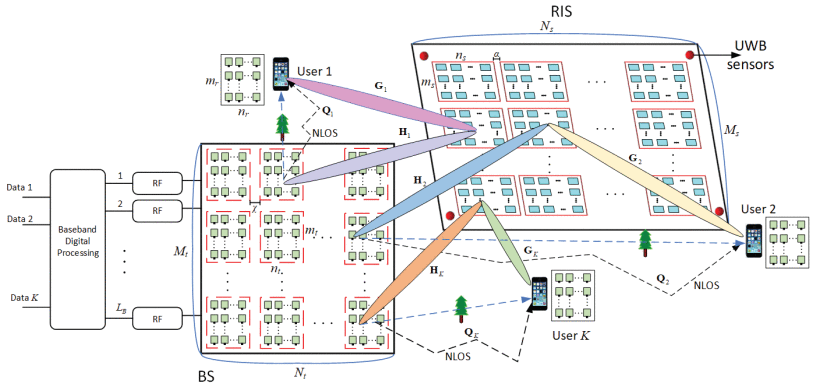
Joint Hybrid 3D Beamforming Relying on Sensor-Based Training for Reconfigurable Intelligent Surface Aided TeraHertz-Based Multiuser Massive MIMO Systems
Author: Xufang Wang, Zihuai Lin, Feng Lin, Lajos Hanzo
Published in: IEEE Sensors Journal (Volume: 22, Issue: 14, July 2022)
Summary Contributed by: Zihuai Lin (Author)
The Terahertz (THz) era promises lightning-fast internet but faces challenges like signal degradation over distances. The paper introduces a joint 3D-beamformer for THz Multi-user Massive multiple-input multiple-output (MIMO) systems, leveraging Reconfigurable Intelligent Surfaces to improve signal strength and coverage. The system uses smart sensing to beam signals directly to devices, promising unparalleled speeds and connection stability, even in crowded spaces. Scalable and adaptable, the proposed architecture is the future of connectivity.
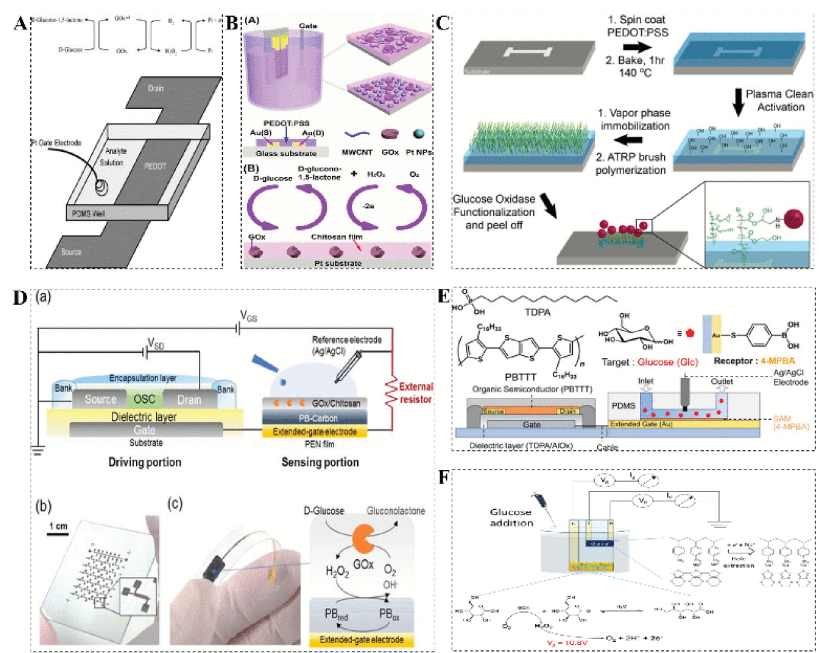
OFET and OECT, Two Types of Organic Thin-Film Transistor Used in Glucose and DNA Biosensors: A Review
Author: Xin Ma, Hongquan Chen, Peiwen Zhang, Martin C. Hartel, Xiaona Cao, Sibel Emir Diltemiz, Qinglei Zhang, Javed Iqbal, Natan Roberto de Barros, Liyan Liu, Hao Liu
Published in: IEEE Sensors Journal (Volume: 22, Issue: 12, June 2022)
Summary Contributed by: Anupama
Diabetes leads to serious health challenges and is a leading cause of numerous chronic diseases. This study explores electronics-based biosensors, particularly Organic Field Effect Transistors (OFET) and Organic Electrochemical Transistors (OECT), as adept glucose and DNA biosensors in diabetes management. The biosensors, fabricated from biodegradable natural materials, offer a flexible, cost-effective, and easily accessible solution, showcasing exceptional sensitivity and selectivity in their performance.
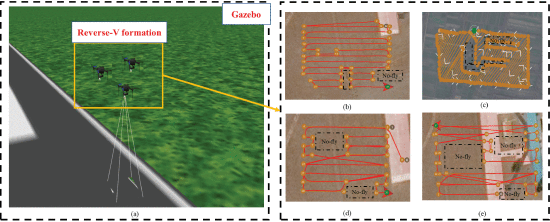
Concentrated Coverage Path Planning Algorithm of UAV Formation for Aerial Photography
Author: Yi Cao, Xianghong Cheng, Jinzhen Mu
Published in: IEEE Sensors Journal (Volume: 22, Issue: 11, June 2022)
Summary Contributed by: Yi Cao (Author)
Ensuring successful aerial photography requires effective coverage path planning for UAVs. However, complexities in outdoor spaces pose challenges, necessitating innovative solutions. This paper introduces a novel concentrated coverage path planning algorithm, revolutionizing traditional probabilistic roadmap methods. Integrating round-trip mode and path constraints optimizes coverage while minimizing computational complexity and repetitions. The approach enhances efficiency and feasibility in real-world environments, promising to redefine aerial photography landscapes.
Real-Time Deep Anomaly Detection Framework for Multivariate Time-Series Data in Industrial IoT
Author: Hussain Nizam, Samra Zafar, Zefeng Lv, Fan Wang, Xiaopeng Hu
Published in: IEEE Sensors Journal (Volume: 22, Issue: 23, December 2022)
Summary Contributed by: Payal Savani
In the realm of smart machines and interconnected devices, the Industrial Internet of Things (IIoT) is ushering in a revolution across industries. Due to a constant stream of diverse and time-stamped data, real-time anomaly detection becomes paramount for industrial process improvement. The article explores a hybrid deep anomaly detection (DAD) model that could accurately identify real-time anomalies. Experimental results showcase its superior performance in terms of accuracy and precision over existing methods.
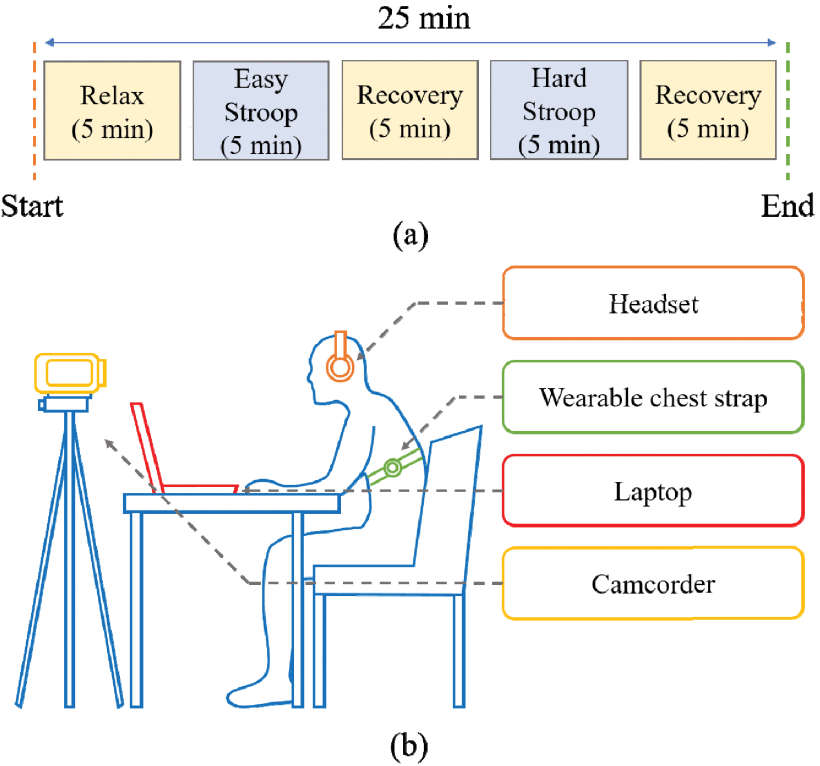
Deep Learning Approach for Detecting Work-Related Stress Using Multimodal Signals
Author: Wonju Seo, Namho Kim, Cheolsoo Park, Sung-Min Park
Published in: IEEE Sensors Journal (Volume: 22, Issue: 12, June 2022)
Summary Contributed by: Cheolsoo Park (Author)
Work-related stress should be detected and managed to avoid adverse impacts on individuals and society. This study proposes a deep learning approach to detect work-related stress automatically by analyzing multimodal signals. Deep neural networks, facial expressions, and physiological signals were fused at different levels to achieve promising accuracy. The novel approach of studying the level of work-related stress with just a 10-second-long electrocardiogram, respiration, and facial images shows potential for effective stress detection.
Research on Self-Powered Coded Angle Sensor for Rock Climbing Training
Author: Jun Zhang, Chuan Wu
Published in: IEEE Sensors Journal (Volume: 22, Issue: 18, September 2022)
Summary Contributed by: Payal Savani
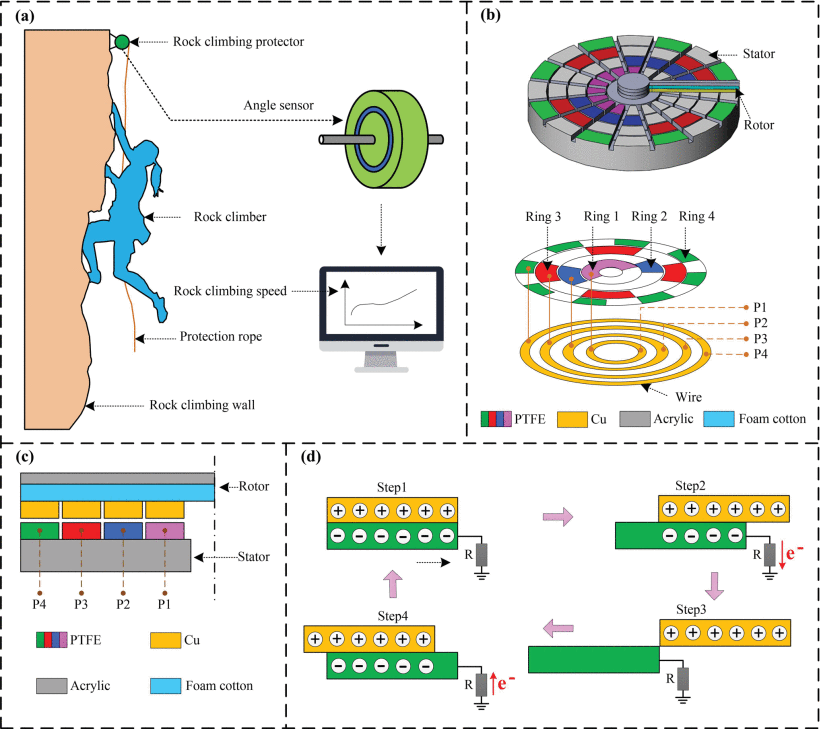
Rock climbing is an adventure or competitive sport in which monitoring speed is vital. It is measured using an angle sensor entangled with climbers, causing safety concerns. The self-powered angle sensor offers a practical alternative to conventional rock-climbing sensors. The proposed self-powered coded angle sensors based on a single-electrode triboelectric nanogenerator can accurately measure the rotation angle, direction, and speed in indoor and outdoor climbing, even without a power supply.
Hallway Gait Monitoring Using Novel Radar Signal Processing and Unsupervised Learning
Author: Hajar Abedi, Jennifer Boger, Plinio P. Morita, Alexander Wong, George Shaker
Published in: IEEE Sensors Journal (Volume: 22, Issue: 15, August 2022)
Summary Contributed by: Hajar Abedi (Author)
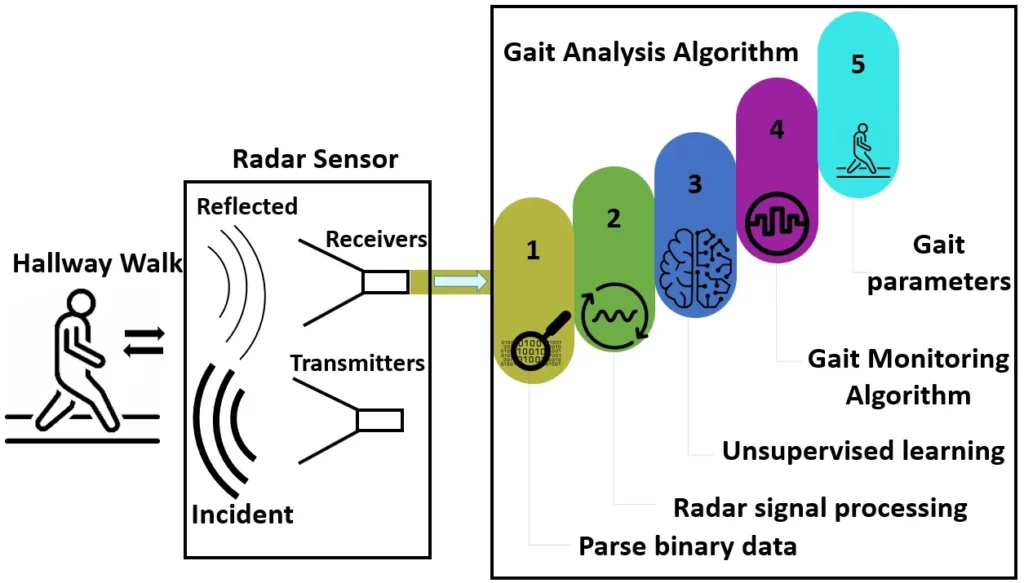
The novel hallway gait monitoring system developed leveraging radar signal processing and unsupervised machine learning introduces the future of personalized gait monitoring of individuals without wearable devices. It aims to create a system capable of monitoring human gait indoors and in natural settings using radar technology. This breakthrough architecture offers non-invasive and precise monitoring, paving the way for enhanced patient care and personal health insights.
Value of Information in Wireless Sensor Network Applications and the IoT: A Review
Author: Faiga Alawad, Frank Alexander Kraemer
Published in: IEEE Sensors Journal (Volume: 22, Issue: 10, May 2022)
Summary Contributed by: Anupama
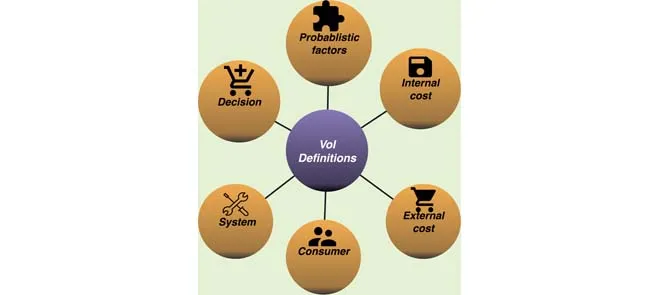
The Value of Information (VoI) is crucial in handling large data volumes in the Industrial Internet of Things (IIoT), filtering redundant information, and optimizing data processes. It is a key metric influencing path-planning algorithms, source switching, and trajectory optimization in mobile sensors. The paper systematically reviews VoI definitions, categorizing valuation methods and performance across applications, and provides guidelines for parameterized and adaptable VoI techniques to optimize diverse systems.
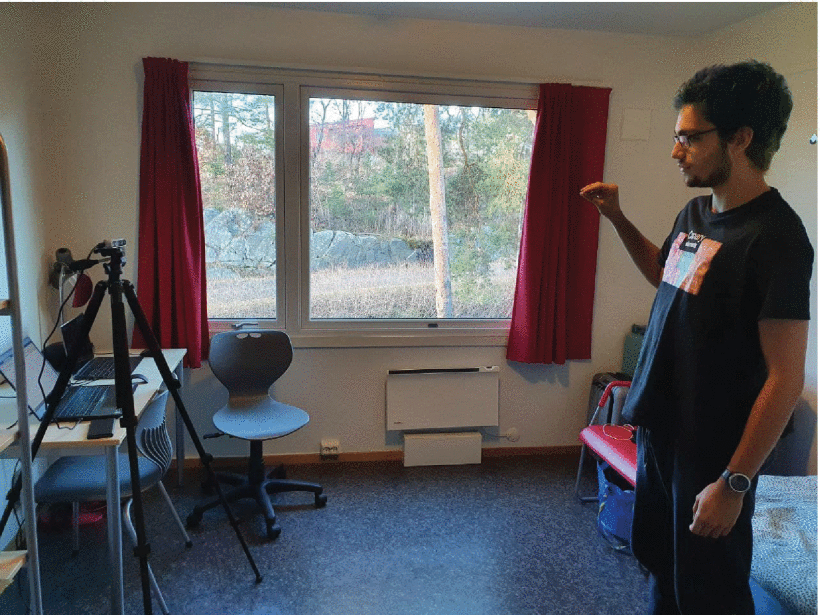
Hand gesture recognition has become an integral part of Human-Computer Interactions. The paper introduces a methodology using a video-based dataset and convolutional neural network (CNN) model. It utilizes an RGB-Depth camera to create a dataset of six distinct hand gestures. A lightweight CNN model is then developed to detect and classify hand movements. The experimental results highlight its accuracy and efficiency, facilitating its practical use in scenarios demanding precise gesture recognition.
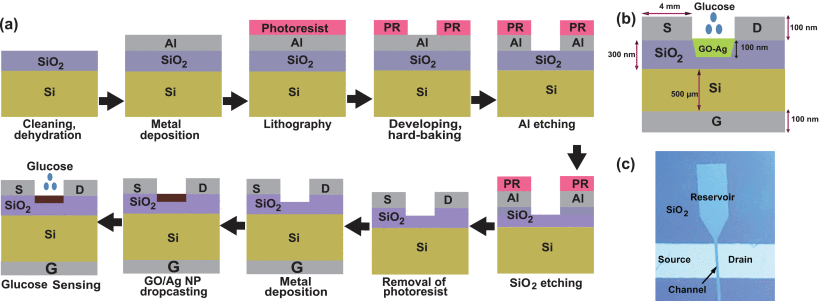
Non-Enzymatic Glucose Detection Based on GO/Ag Nanocomposite in SiO2 Trench Embedded Field Effect Transistor
Author: Monica Naorem, Roy P. Paily
Published in: IEEE Sensors Journal (Volume: 22, Issue: 16, August 2022)
Summary Contributed by: Saurabh Dubey
SiO2 trench-embedded Field Effect Transistors (FET) with a graphene oxide-silver ( GO/Ag) nanocomposite for non-enzymatic glucose detection are crucial for effective diabetes management by accurately monitoring glucose concentration range of 1 μM to 10 mM. Validated through structural analysis, the fabricated device structure exhibits excellent glucose storage and sensing abilities, ensuring stability, reproducibility, and selectivity. Compact and easy to produce, it has promising applications in portable glucose sensors for point-of-care diagnostics and healthcare.
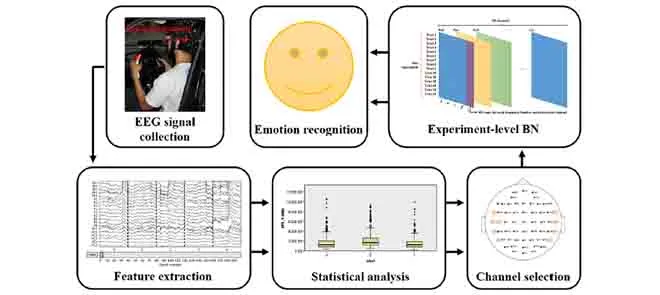
An EEG Data Processing Approach for Emotion Recognition
Author: Guofa Li, Delin Ouyang, Yufei Yuan, Wenbo Li, Zizheng Guo, Xingda Qu, Paul Green
Published in: IEEE Sensors Journal (Volume: 22, Issue: 11, June 2022)
Summary Contributed by: Yufei Yuan (Author)
Emotion recognition has garnered interest from researchers because of its importance in affective computing. Facial expressions can mask human emotions. However, studies show that electroencephalogram (EEG) signals can recognize and identify human emotions. Hence, EEG has emerged as an alternate method for emotion recognition. The paper proposes a novel approach through a reduced number of EEG electrode channels and a normalization method, demonstrating its promising applications in real-time emotion recognition.
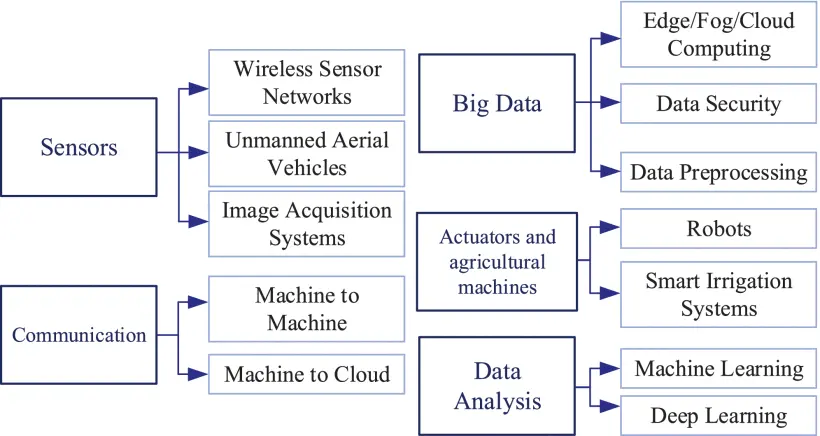
Technologies Driving the Shift to Smart Farming: A Review
Author: Nabila ElBeheiry, Robert S. Balog
Published in: IEEE Sensors Journal (Volume: 23, Issue: 3, February 2023)
Summary Contributed by: Vinay S Palaparthy
Agriculture requires sustainable solutions, especially when facing challenges like climate change, unqualified farmers, and urbanization. Smart farming (SF) helps enhance crop quality and quantity with minimal labor, ensuring sustainable agriculture and consistent food supply to meet the global food demand. This survey includes various themes like sensors, communication, big data, actuators, and data analysis. The article emphasizes integrating multiple technologies, highlighting popular SF systems: remote monitoring, autonomous, and intelligent decision-making.
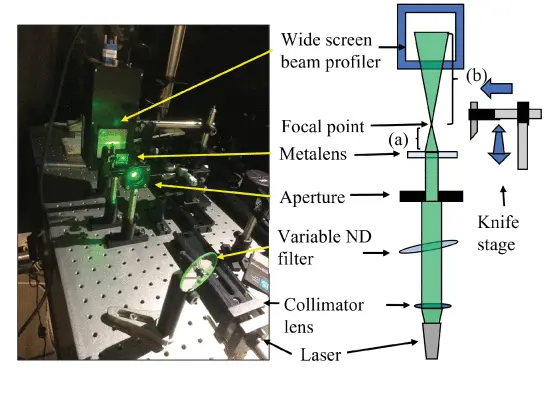
Published in: IEEE Sensors Journal (Volume: 22, Issue: 15, August 2022)
Summary Contributed by: Satoshi Ikezawa (Author)
Material selection is crucial when designing and fabricating metasurfaces. The metasurface optical element produces a tightly focused beam from a visible laser, thus maximizing light utilization and minimizing energy loss. This study focuses on enhancing metasurface microfabrication precision and achieving remarkable light transmittance through traditionally impermeable silicon, providing opportunities for developing miniature wearable technology, cameras, and augmented reality (AR) devices and has significant implications for micro-scanning within confined spatial domains.
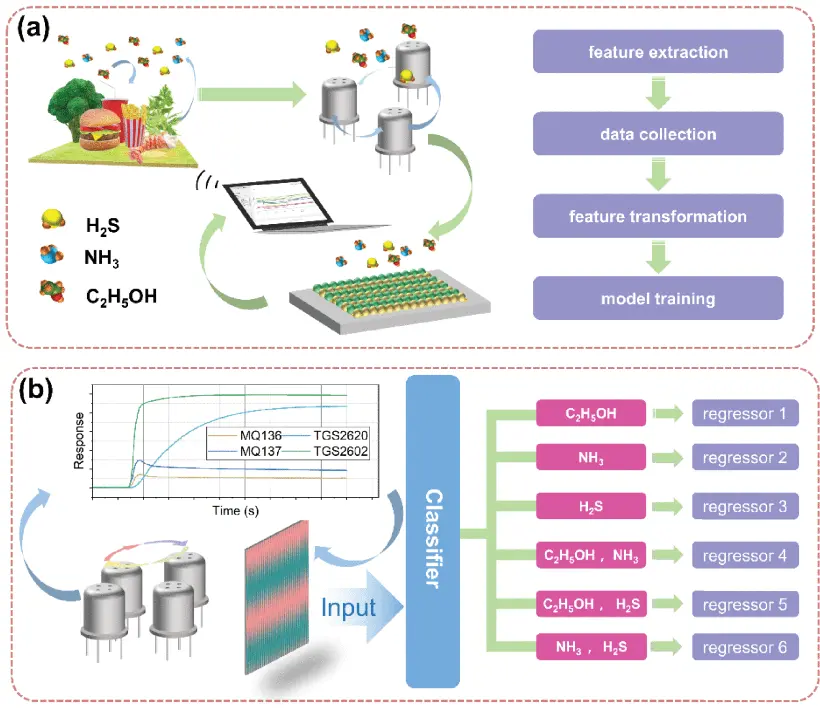
E-Nose System Based on Fourier Series for Gases Identification and Concentration Estimation From Food Spoilage
Author: Jie Luo, Zehao Zhu, Wen Lv, Jian Wu, Jianhua Yang, Min Zeng, Nantao Hu, Yanjie Su, Ruili Liu, Zhi Yang
Published in: IEEE Sensors Journal (Volume: 23, Issue: 4, February 2023)
Summary Contributed by: Leena Jha
Improper and prolonged storage of perishable food items like meat and fruits may lead to microbial contamination and spoilage. The paper presents an electronic nose (EN) system, a portable electronic gas-sensing device comprising a sensor array-based gas identification, concentration estimation system, and data acquisition circuit boards. A machine learning algorithm assists it. It accurately detects gases like ammonia (NH3), hydrogen sulphide (H2S), and ethanol (C2H5OH) emitted by spoiled food.
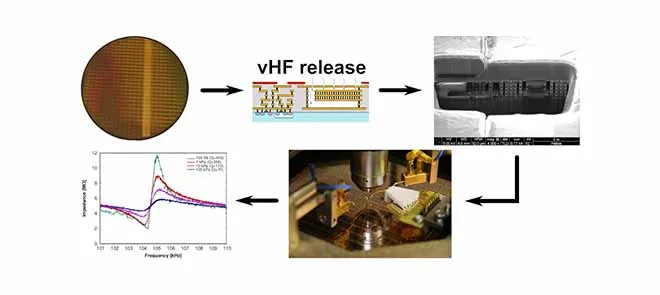
Monolithic Sensor Integration in CMOS Technologies
Author: Daniel Fernández, Piotr Michalik, Juan Valle, Saoni Banerji, Josep Maria Sánchez-Chiva, Jordi Madrenas
Published in: IEEE Sensors Journal (Volume: 23, Issue: 2, January 2023)
Summary Contributed by: Daniel Fernández (Author)
In the wearable market, where the area is a limiting factor, monolithic sensor integration with mainstream gadget electronics can provide an efficient means to archive a small device footprint while maintaining good performance. For a minimum cost, CMOS-MEMS devices built using backend-of-line (BEOL) interconnections as structural material offer an interesting, cost-effective approach with the potential to become a market game-changer.
IoT applications, with their unique functionality and applications, are improving human lives. Analysis of a large amount of sensor data collected from these applications is made possible with the help of AI. The convergence of AI and IoT has proven to be a successful idea and has found its applications in health care, agriculture, the environment, and transportation.
Implantable medical devices (IMD) are developed to control and report acquired biological data from an implanted device in the body or brain to an external stage for biomedical purposes. They receive power from batteries or wireless power transmissions (WPT). Due to their simplicity and safety, magnetic waves are extensively studied and developed for powering in biomedical applications.
A non-profit organization, IEEE is the world's largest technical professional organization dedicated to advancing technology for the benefit of humanity.
Copyright 2023 IEEE – All rights reserved. Use of this website signifies your agreement to the IEEE Terms and Conditions
This site is also available on your smartphone.