Get exclusive breakthroughs on sensors in IoT, energy, healthcare, and more, delivered straight to your inbox.
"IEEE Sensors Alert" is a pilot project of the IEEE Sensors Council. Started as one of its new initiatives, this weekly digest publishes teasers and condensed versions of our journal papers in layperson's language.
Articles Posted in the Month (January 2024)
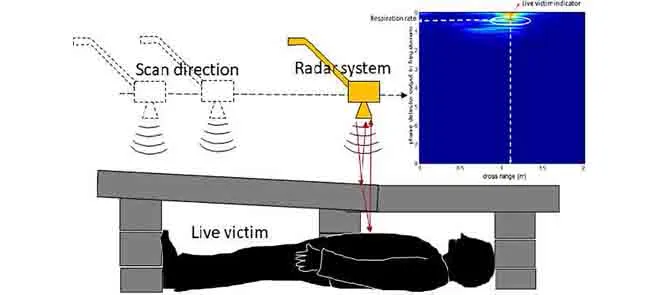
Radar System for Detecting Respiration Vital Sign of Live Victim Behind the Wall
Technology to detect signs of life under rubble could save lives. The study proposes a novel radar system with a two-step computation model for detecting live victim's vital signs behind or under obstructions. The first step is to establish a region of interest and identify obstacles. The second step detects respiratory vital signs patterns through time-varying phase data. Experimental demonstration of the proposed system shows significant accuracy in detecting live victims.
Published in: IEEE Sensors Journal (Volume: 21, Issue: 9, May 2021)
Summary Contributed by: Payal Savani
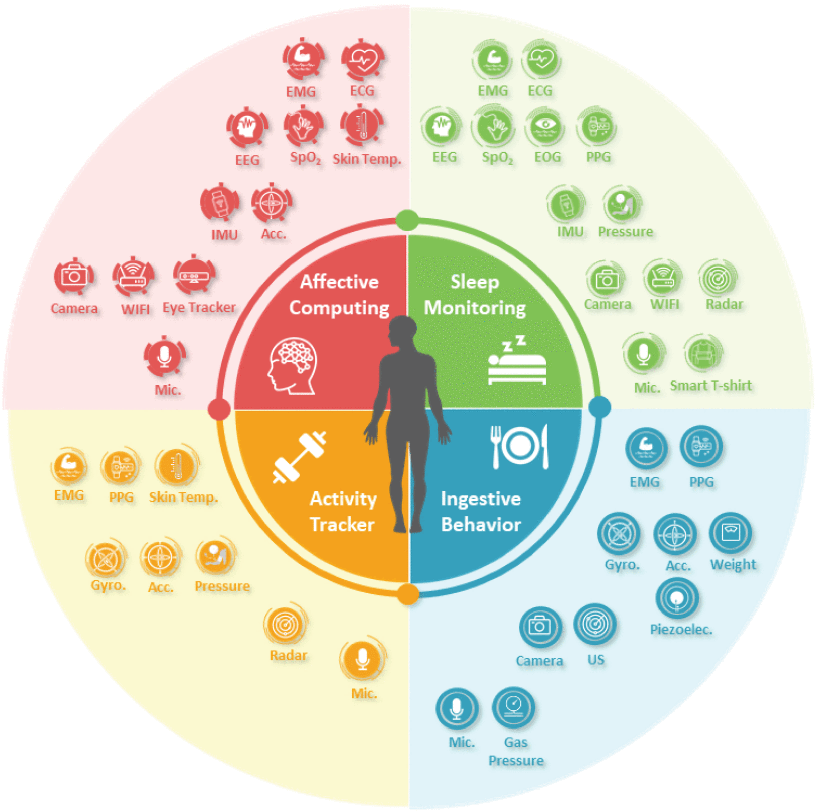
Sensors have been pivotal in making human life comfortable. Sensor technology offers many research opportunities for innovations, contributing to smart living. Here the authors have streamlined the latest literature in the field, providing an overview of sensors and their role in our lives. The article summarizes research into four main sensor-based applications: fitness tracking, emotions analysis, sleep tracking, and food intake monitoring.
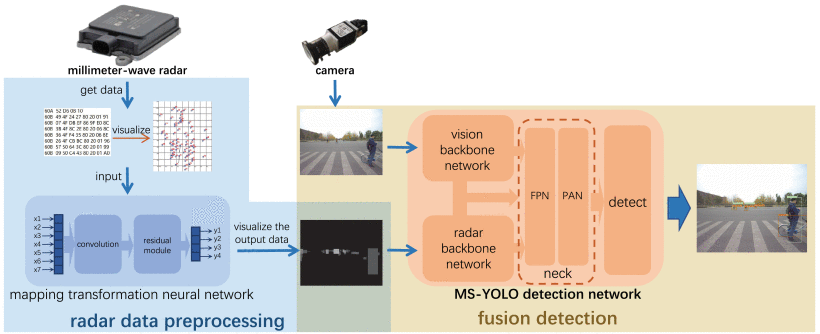
MS-YOLO: Object Detection Based on YOLOv5 Optimized Fusion Millimeter-Wave Radar and Machine Vision
Author: Yunyun Song, Zhengyu Xie, Xinwei Wang, Yingquan Zou
Published in: IEEE Sensors Journal (Volume: 22, Issue: 15, August 2022)
Summary Contributed by: Yingquan Zou (Author)
Multi-sensor fusion is becoming an increasingly crucial part of the environmental perception system in autonomous driving. Experience the cutting-edge fusion of millimeter-wave radar and machine vision in the proposed MS-YOLO, powered by You Only Look Once (YOLOv5) algorithm. The proposed fusion model offers exceptional accuracy in detecting objects and provides immediate real-time insights regardless of light and weather conditions.
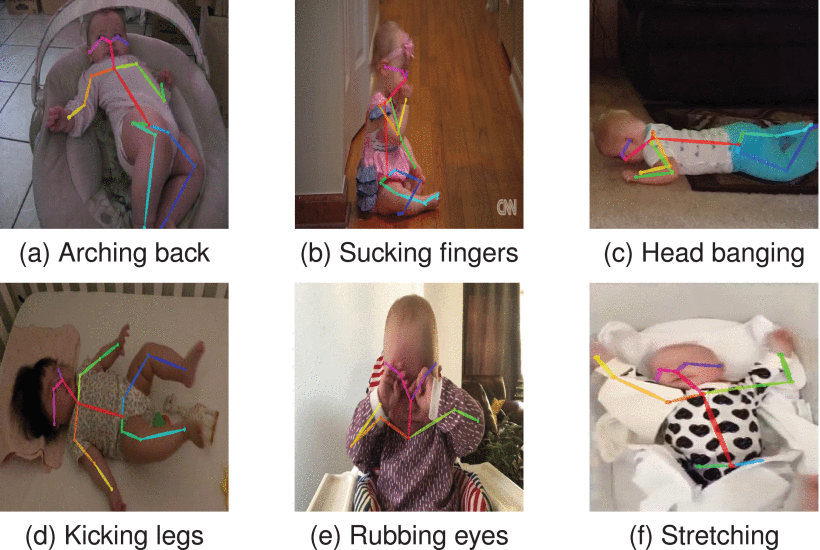
BabyPose: Real-Time Decoding of Baby’s Non-Verbal Communication Using 2D Video-Based Pose Estimation
Author: M. Mücahit Enes Yurtsever, Süleyman Eken
Published in: IEEE Sensors Journal (Volume: 22, Issue: 14, July 2022)
Summary Contributed by: Saurabh Dubey
Decoding or understanding non-verbal communication forms in babies is paramount to parents. These forms are expressed in various poses and body-language signals, which can be interpreted using a Human Pose Estimation method. Babies are tracked in real-time using 2D videos. Pose estimators that model these poses into keypoints are then employed to recognize and monitor these activities. This study delves into these estimation models that interpret baby poses with 99% accuracy.
Published in: IEEE Sensors Journal (Volume: 22, Issue: 22, November 2022)
Summary Contributed by: Shixin Zhang (Author)
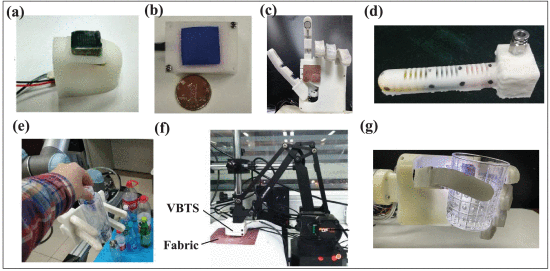
Vision-based tactile sensors (VBTS) are attracting attention for their application in robotics. As an innovative optical sensor, VBTS leverages tactile sensing to enhance the interpretation and utilization tactile information. The paper presents an overview of the hardware aspects of VBTS, including their technology, capabilities, challenges, and potential solutions. It provides insightful guidelines for optimizing the design and fabrication processes of VBTS to improve their performance.
Smart Healthcare: RL-Based Task Offloading Scheme for Edge-Enable Sensor Networks
Author: Rahul Yadav, Weizhe Zhang, Ibrahim A. Elgendy, Guozhong Dong, Muhammad Shafiq, Asif Ali Laghari, Shiv Prakash
Published in: IEEE Sensors Journal (Volume: 21, Issue: 22, November 2021)
Summary Contributed by: Anupama
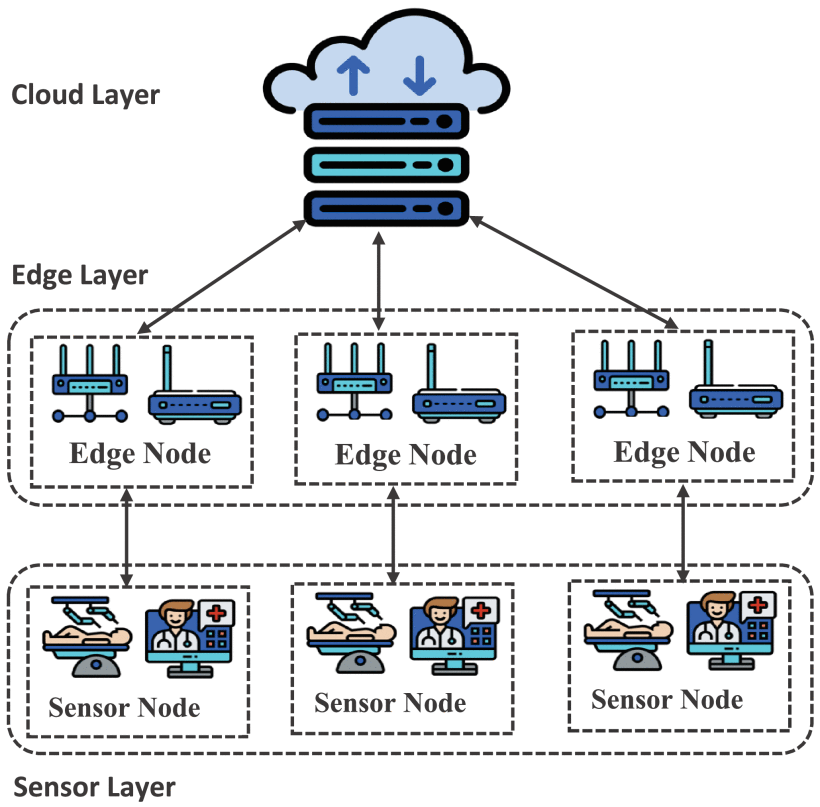
Smart healthcare systems produce massive data, which is challenging to manage. The Internet of Medical Things (IoMT) and Artificial intelligence (AI) based smart healthcare systems and applications have shown potential in intelligent and accurate data management and support healthcare. While the edge-enabled network provides necessary computational resources to deal with enormous data, the proposed Computation Offloading using Reinforcement Learning (CORL) algorithm minimizes total latency and energy consumption.
A Radar-Based Human Activity Recognition Using a Novel 3-D Point Cloud Classifier
Author: Zheqi Yu, Ahmad Taha, William Taylor, Adnan Zahid, Khalid Rajab, Hadi Heidari, Muhammad Ali Imran, Qammer H. Abbasi
Published in: IEEE Sensors Journal (Volume: 22, Issue: 19, October 2022)
Summary Contributed by: William Taylor (Author)
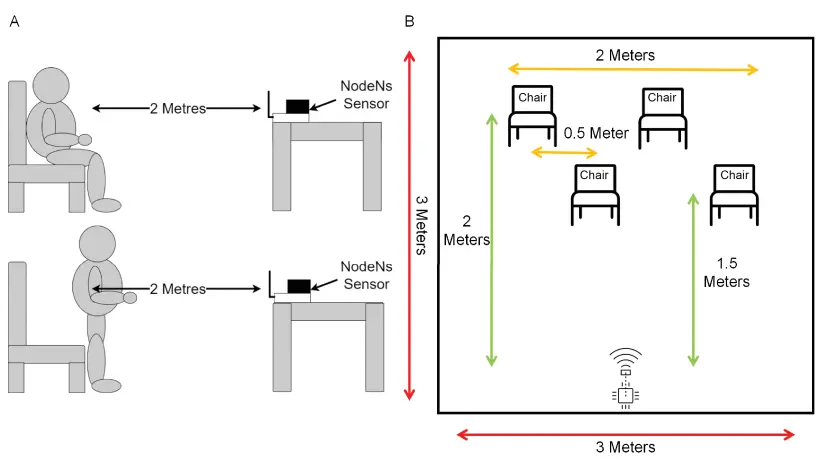
Wearable sensors for human activity recognition (HAR) have many uses, especially in health, surveillances and man-machine conversation. Technological advancements have enabled non-invasive, contactless sensing methods to detect human activities. However, insufficient training data severely affects the performance of HAR applications. The paper discusses the dataset collection using 3-D cloud point technology and deep learning algorithms to classify the dataset, which will enable a transition from wearable to contactless sensing.
Published in: IEEE Sensors Journal (Volume: 21, Issue: 8, April 2021)
Summary Contributed by: Laxmeesha Somappa
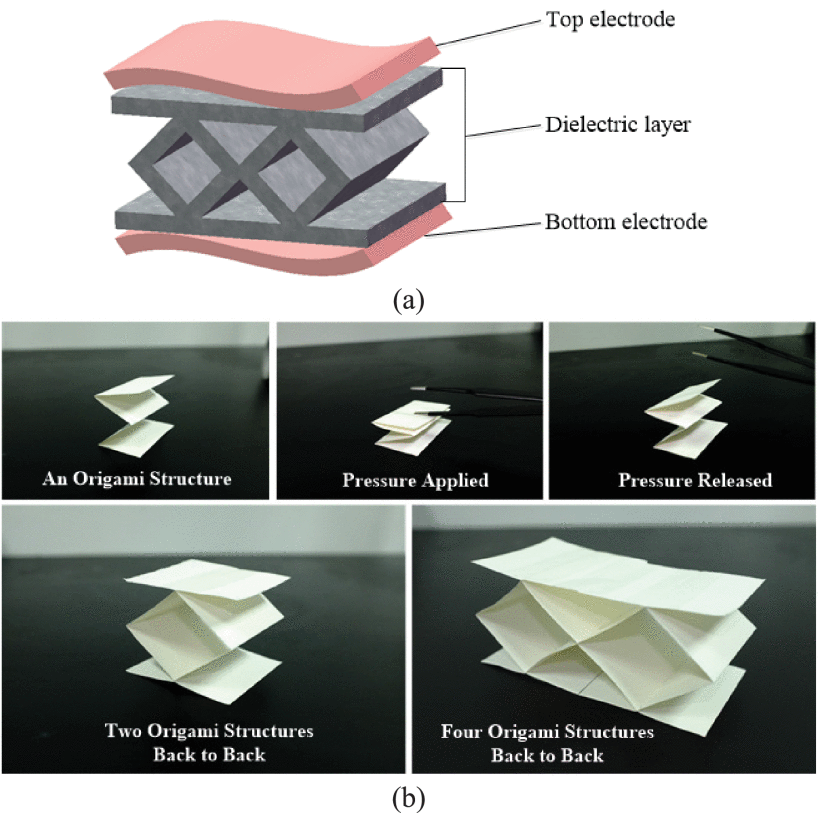
Origami is the art of paper folding to create a two-dimensional and three-dimensional sculpture. Inspired by this art, the researchers developed a flexible pressure sensor, which finds various applications in wearable devices and healthcare products. The origami structure inherently offers higher sensitivity and measurement range. These pressure sensors can easily be fabricated with 3-D printing technology, making them low-cost and enabling mass production.
Data Fusion Based on Temperature Monitoring of Aquaculture Ponds With Wireless Sensor Networks
Author: Haohui Chen, Xinyuan Nan, Sibo Xia
Published in: IEEE Sensors Journal (Volume: 23, Issue: 1, January 2023)
Summary Contributed by: Haohui Chen (author)
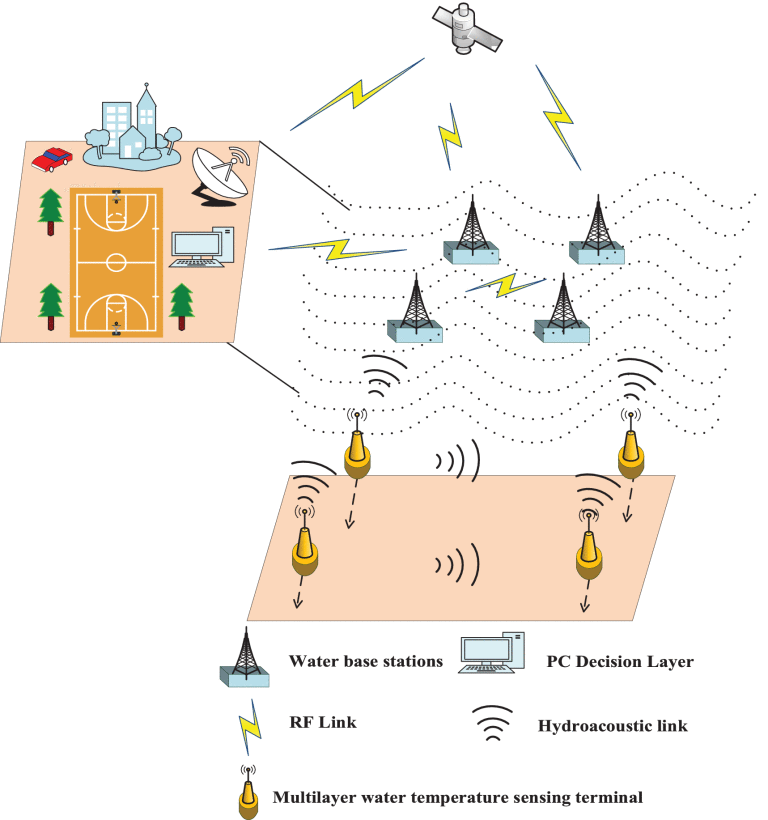
Aquaculture is the farming of aquatic animals and plants in a controlled environment. The water temperature is a vital environmental factor that affects the water quality and life of the aquatic species. The paper proposes an effective real-time aquaculture temperature monitoring method through a layered and clustered wireless sensor networks (WSNs) framework. It is more effective in temperature monitoring with improved accuracy in comparison to the traditional monitoring methods.
Image-Based Force Estimation in Medical Applications: A Review
Author: Ali A. Nazari, Farrokh Janabi-Sharifi, Kourosh Zareinia
Published in: IEEE Sensors Journal (Volume: 21, Issue: 7, April 2021)
Summary Contributed by: Anupama
Precise, real-time force estimation is still an ongoing challenge in minimally invasive robotic surgical (MIRS) interventions. The applied force depends on the size and deformity of the tissue. Advanced imaging techniques and deep-learning algorithms provide efficient object recognition and force estimation in MIRS. The researchers present a comprehensive review of image-based force estimation techniques for MIRS haptic force feedback.
A robust pavement crack detection network is imperative to mitigate traffic accidents and minimize maintenance costs. The paper proposed an efficient hybrid model by merging YOLOv5 and Transformer, utilizing one-stage architecture and long-range dependency capture for reliable crack detection. The network's performance is further improved using test time augmentation (TTA) for crack detection. An efficient solution for urban pavement damage detection, it paves the way for expanding datasets to tackle diverse pavement issues.
Contact scanning probes may have issues of reduced accuracy due to high speed and high frequency. This paper presents the innovative contact scanning probe, utilizing dual-parameter feedback to optimize pole configuration. It enhances accuracy by correcting high-speed and high-frequency errors with real-time accuracy and dynamic compensation. The approach aims to improve measurement accuracy and stability in high-speed scanning systems. It has promising potential in precision manufacturing, nanotechnology, and medical fields.
A non-profit organization, IEEE is the world's largest technical professional organization dedicated to advancing technology for the benefit of humanity.
Copyright 2023 IEEE – All rights reserved. Use of this website signifies your agreement to the IEEE Terms and Conditions
This site is also available on your smartphone.