Get exclusive breakthroughs on sensors in IoT, energy, healthcare, and more, delivered straight to your inbox.
"IEEE Sensors Alert" is a pilot project of the IEEE Sensors Council. Started as one of its new initiatives, this weekly digest publishes teasers and condensed versions of our journal papers in layperson's language.
Articles Posted in the Month (August 2023)
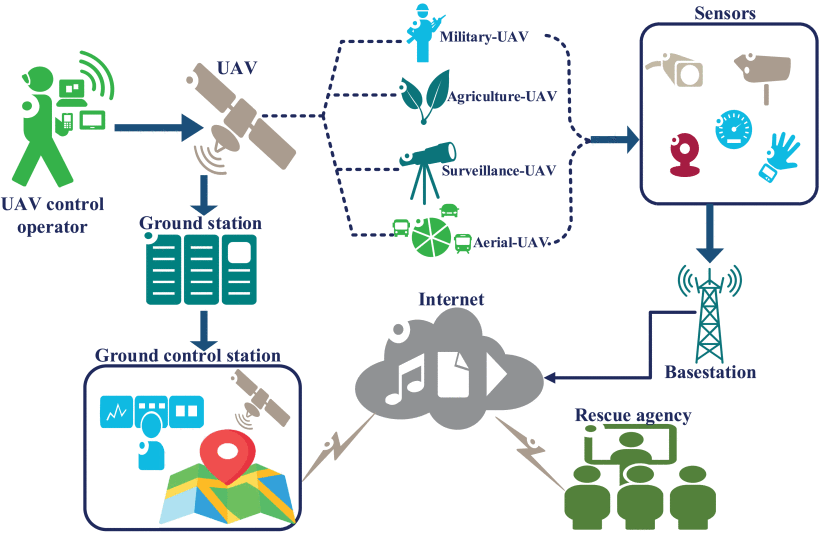
Unmanned Aerial Vehicles in Smart Agriculture: Applications, Requirements, and Challenges
Author: Praveen Kumar Reddy Maddikunta, Saqib Hakak , Mamoun Alazab, Sweta Bhattacharya, Thippa Reddy Gadekallu, Wazir Zada Khan, Quoc-Viet Pham
Published in: IEEE Sensors Journal (Volume: 21, Issue: 16, August 2021)
Summary Contributed by: Kamalesh Tripathy
Smart agriculture is the future to meet the growing food demand. Implementing information and communication technology (ICT) with unmanned aerial vehicles (UAVs) gives a better way to monitor farming under challenging conditions. Smart and precision agriculture demand knowledge of IoT (Internet of Things) applications, design architecture, protocols, etc. This paper explores different aspects of UAV implementations, Bluetooth-based wireless communication, agricultural sensors, design architecture, etc., and their future trends.
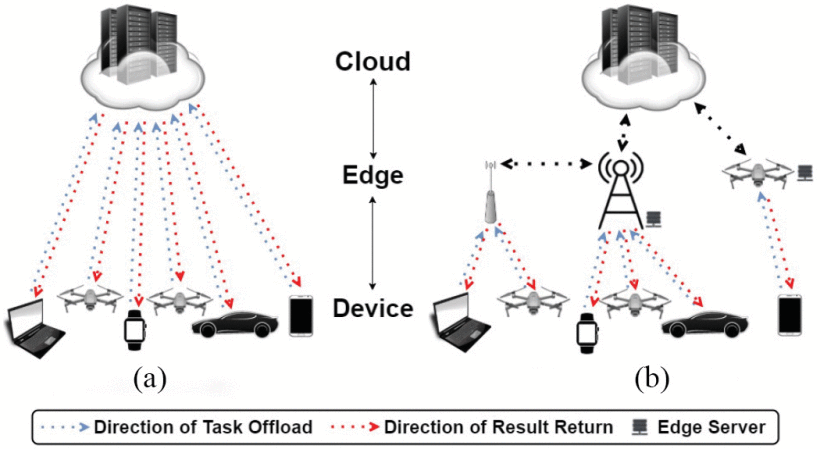
A Survey on the Convergence of Edge Computing and AI for UAVs: Opportunities and Challenges
Author: Patrick McEnroe, Shen Wang, Madhusanka Liyanage
Published in: IEEE Sensors Journal (Volume: 9, Issue: 17, September 2022)
Summary Contributed by: Patrick McEnroe (Author)
Unmanned aerial vehicles (UAV) applications are often heavily dependent on artificial intelligence (AI) methods. Traditional cloud-based AI can find it hard to meet various UAV requirements, such as low latency and energy consumption. Edge AI, where AI is run on-device or at edge servers, is a viable solution. The researchers present an in-depth review of the convergence of edge AI and UAVs.
Published in: IEEE Sensors Journal (Volume: 22, Issue: 1, January 2022)
Summary Contributed by: Anupama
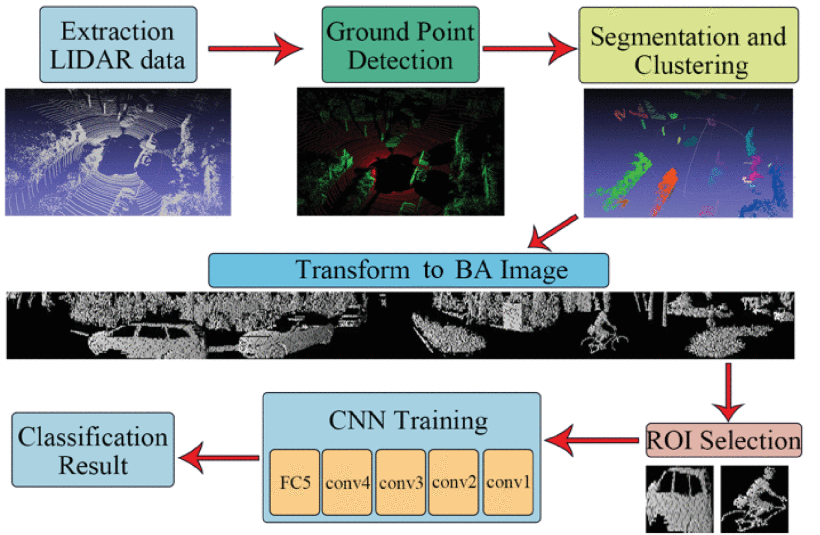
Currently available 3D object classifiers combine point clouds and color images. They use complex models requiring an enormous memory to store their parameters. An efficient alternative method is proposed that utilizes information solely from point clouds. The point cloud objects are converted into bearing angle (BA) images and then classified by convolutional neural networks. This method achieves high accuracy while using significantly less time and memory.
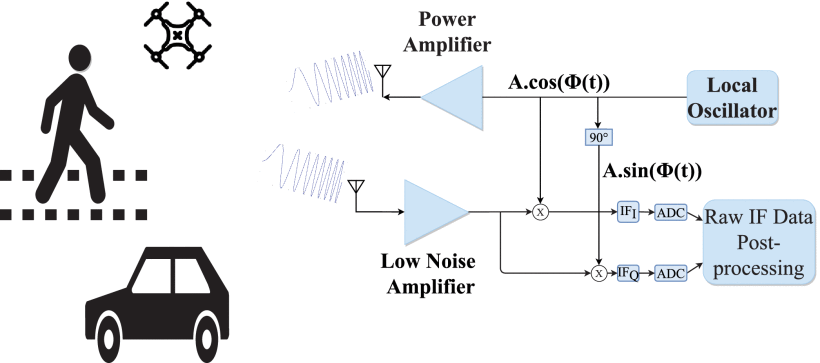
The researchers present a novel target classification technique incorporating mmWave radar and deep learning models to classify moving objects. The system provides a wide field of view by orienting the antenna in elevation and rotating it in the horizontal field. With 97 – 99 % accuracy, the proposed classification technique is a cost-effective and dependable system for a wide range of autonomous applications.
The Machine Learnings Leading the Cuffless PPG Blood Pressure Sensors Into the Next Stage
Author: Paul C.-P. Chao, Chih-Cheng Wu, Duc Huy Nguyen, Ba-Sy Nguyen, Pin-Chia Huang, Van-Hung Le
Published in: IEEE Sensors Journal (Volume: 21, Issue: 11, June 2021)
Summary Contributed by: E.V.V. Hari Charan
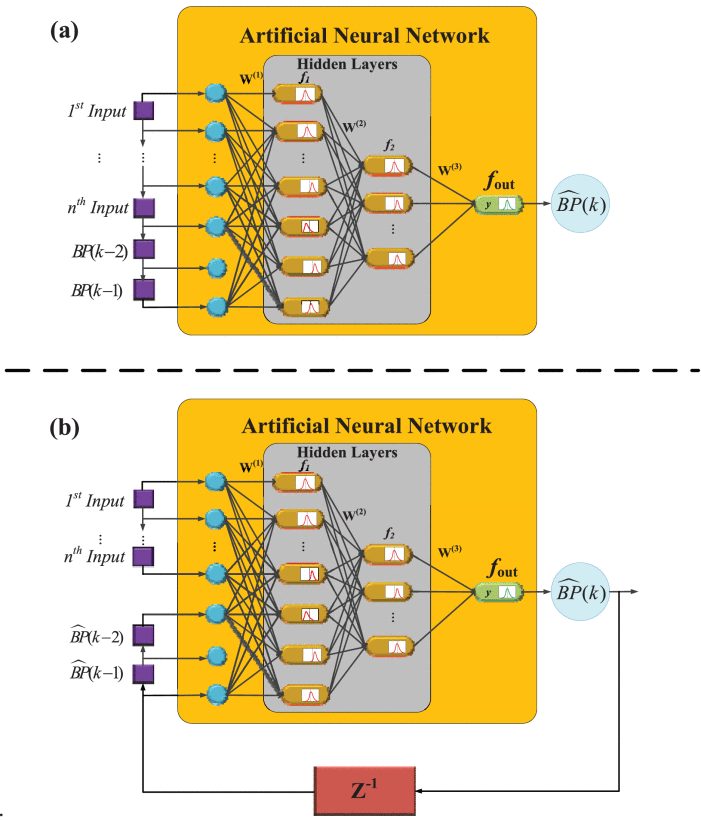
Regular blood pressure (BP) monitoring helps in managing Cardiovascular diseases. Recent works on machine learning based on measured photoplethysmogram (PPG) waveforms have shown a strong possibility of estimating blood pressure by cuffless devices, such as recursive neural networks (RNN), long short-term memory (LSTM), etc. The challenge lies in the successful commercialization of cuffless BP sensors.
A Nanometer Resolution Wearable Wireless Medical Device for Non Invasive Intracranial Pressure Monitoring
Author: Rodrigo de A. P. Andrade, Helder Eiki Oshiro, Caio Kioshi Miyazaki, Cintya Yukie Hayashi, Marcos Antonio de Morais, Rodrigo Brunelli, João Paulo Carmo
Published in: IEEE Sensors Journal (Volume: 21, Issue: 20, October 2021)
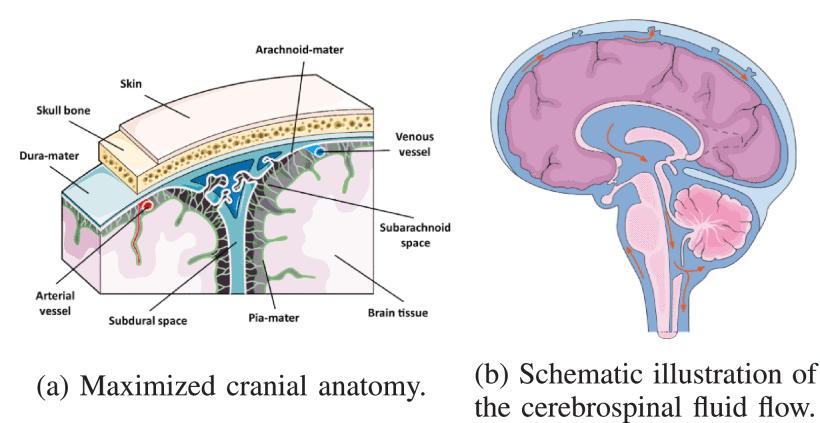
Non-invasive intracranial pressure monitoring (NIICP) by measuring skull deformation has been studied extensively for assessing intracranial pressure and compliance. The researchers used this principle to design a novel wireless sensor. The proposed sensor is small, portable, cost-effective, and highly sensitive. It offers a more accurate clinical evaluation of intracranial dynamics and has the potential for a wide range of applications.
Published in: IEEE Sensors Journal (Volume: 21, Issue: 18, September 2021)
Summary Contributed by: Anupama
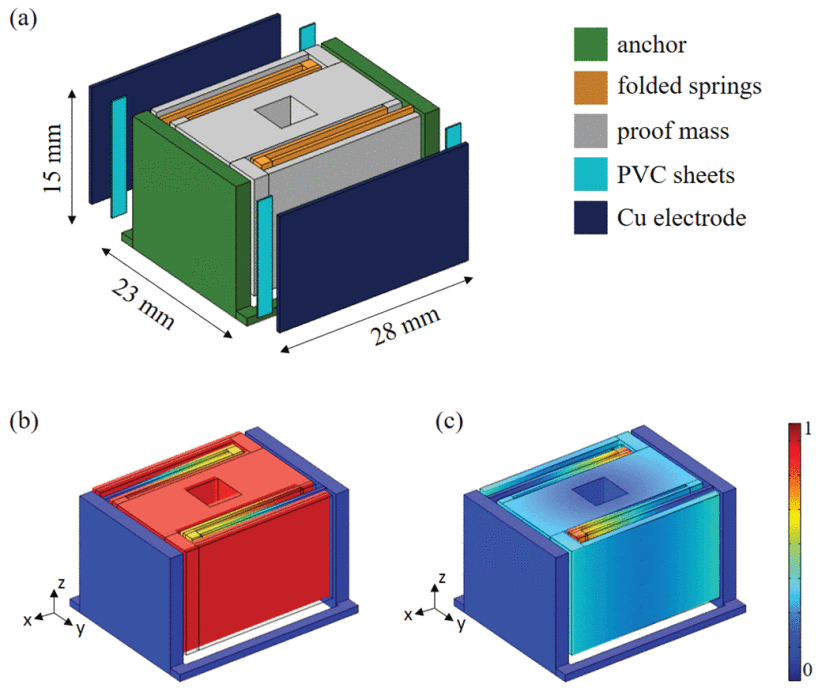
3D printing has emerged as a novel fabrication process for producing customized sensors at low cost. A uniaxial Ti6Al4V alloy accelerometer prototype was designed and fabricated using the Laser Powder Bed Fusion (L-PBF) technique. With micro dimensions and comparable differential sensitivity, the proposed prototype showcases a new genre of 3D-printed metal sensors which are low-cost, customizable, efficient, and durable.
Published in: IEEE Sensors Journal (Volume: 21, Issue: 11, June 2021)
Summary Contributed by: Sheng-Kai Yeh (Author)
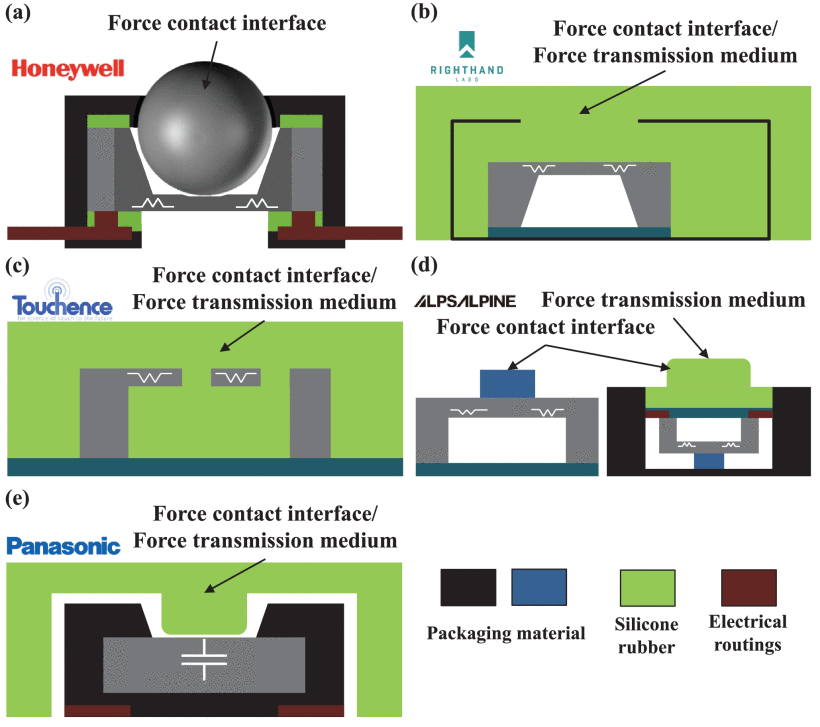
The tactile force sensor is the key enabling device for machines to interact with humans and objects. Due to the growing demand for smart-machine, metaverse, gaming, etc., miniaturized tactile force sensing chips have attracted attention and have also been developed through different detection and process technologies. The paper summarizes various tactile force sensors designed and fabricated based on the semiconductor CMOS processes.
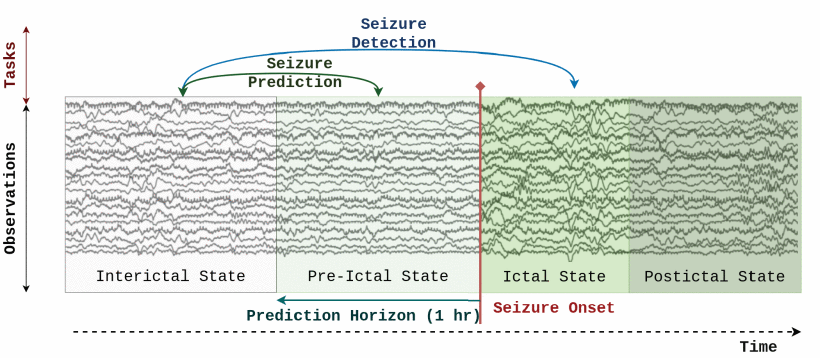
Epilepsy is one of the most prevalent neurological diseases among humans. It can lead to severe brain injuries, strokes, and brain tumors. Early detection of seizures is critical to improving the day-to-day lives of patients. The researchers propose two deep learning approaches, using EEG data as input, which can detect epileptic seizures one hour before they occur.
Colon Cancer Detection by Designing and Analytical Evaluation of a Water-Based THz Metamaterial Perfect Absorber
Author: Zohreh Vafapour, William Troy, Ali Rashidi
Published in: IEEE Sensors Journal (Volume: 21, Issue: 17, September 2021)
Summary Contributed by: Anupama
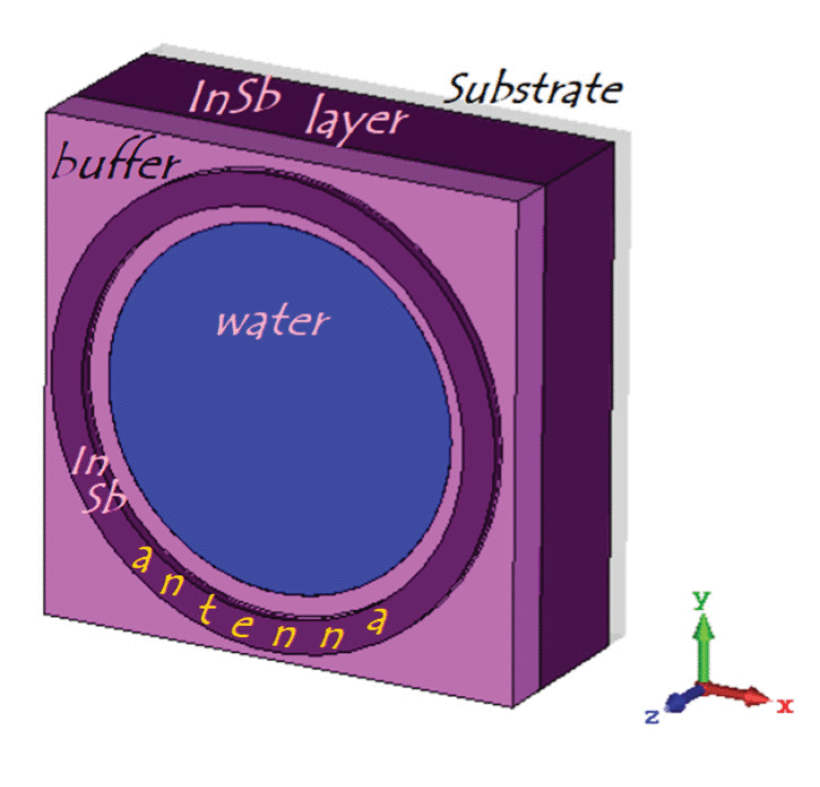
Early detection of colon cancer is vital for patient survival. The researchers propose a novel device for the detection of colon cancer using terahertz electromagnetic waves. The device detects differences in water concentration within healthy and cancerous colon tissues by using surface plasmon polaritons (SPP). It shows potential as a less invasive, safer, faster, and early detection procedure for colon cancer.
Agriculture requires sustainable solutions, especially when facing challenges like climate change, unqualified farmers, and urbanization. Smart farming (SF) helps enhance crop quality and quantity with minimal labor, ensuring sustainable agriculture and consistent food supply to meet the global food demand. This survey includes various themes like sensors, communication, big data, actuators, and data analysis. The article emphasizes integrating multiple technologies, highlighting popular SF systems: remote monitoring, autonomous, and intelligent decision-making.
The use of sensors in the application world has drastically improved the human life. Sensors have reduced the time required to study events from hours, to a few seconds or minutes. Nowadays sensing systems are being used in gas sensing, environmental monitoring, as well as the food industry. Monitoring of physiological parameters is being done through Wearable Flexible Sensors (WFS). Tremendous scientific research is going on to develop sensors with better sustainability and sensitivity and to overcome challenges regarding handling of the generated data, comfort of the person concerned, and the power consumed by the devices. Better manufacturing techniques will help develop newer sensors encompassing all income categories in the near future.
A non-profit organization, IEEE is the world's largest technical professional organization dedicated to advancing technology for the benefit of humanity.
Copyright 2023 IEEE – All rights reserved. Use of this website signifies your agreement to the IEEE Terms and Conditions
This site is also available on your smartphone.