Get exclusive breakthroughs on sensors in IoT, energy, healthcare, and more, delivered straight to your inbox.
"IEEE Sensors Alert" is a pilot project of the IEEE Sensors Council. Started as one of its new initiatives, this weekly digest publishes teasers and condensed versions of our journal papers in layperson's language.
Articles Posted in the Month (May 2024)
Real-Time Deep Anomaly Detection Framework for Multivariate Time-Series Data in Industrial IoT
Author: Hussain Nizam, Samra Zafar, Zefeng Lv, Fan Wang, Xiaopeng Hu
Published in: IEEE Sensors Journal (Volume: 22, Issue: 23, December 2022)
Summary Contributed by: Payal Savani
In the realm of smart machines and interconnected devices, the Industrial Internet of Things (IIoT) is ushering in a revolution across industries. Due to a constant stream of diverse and time-stamped data, real-time anomaly detection becomes paramount for industrial process improvement. The article explores a hybrid deep anomaly detection (DAD) model that could accurately identify real-time anomalies. Experimental results showcase its superior performance in terms of accuracy and precision over existing methods.
Deep Learning Approach for Detecting Work-Related Stress Using Multimodal Signals
Author: Wonju Seo, Namho Kim, Cheolsoo Park, Sung-Min Park
Published in: IEEE Sensors Journal (Volume: 22, Issue: 12, June 2022)
Summary Contributed by: Cheolsoo Park (Author)
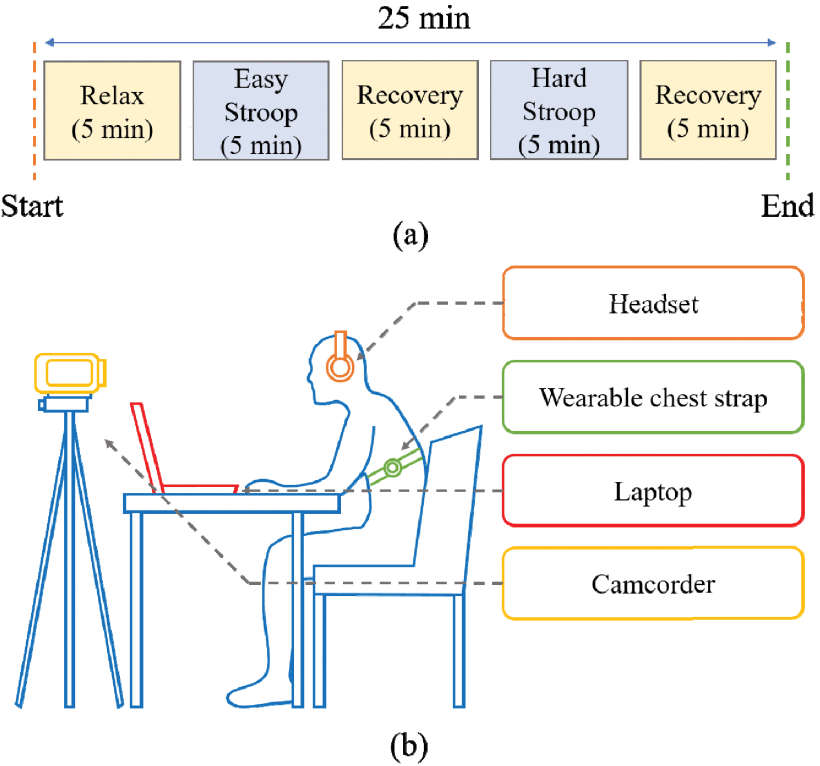
Work-related stress should be detected and managed to avoid adverse impacts on individuals and society. This study proposes a deep learning approach to detect work-related stress automatically by analyzing multimodal signals. Deep neural networks, facial expressions, and physiological signals were fused at different levels to achieve promising accuracy. The novel approach of studying the level of work-related stress with just a 10-second-long electrocardiogram, respiration, and facial images shows potential for effective stress detection.
Research on Self-Powered Coded Angle Sensor for Rock Climbing Training
Author: Jun Zhang, Chuan Wu
Published in: IEEE Sensors Journal (Volume: 22, Issue: 18, September 2022)
Summary Contributed by: Payal Savani
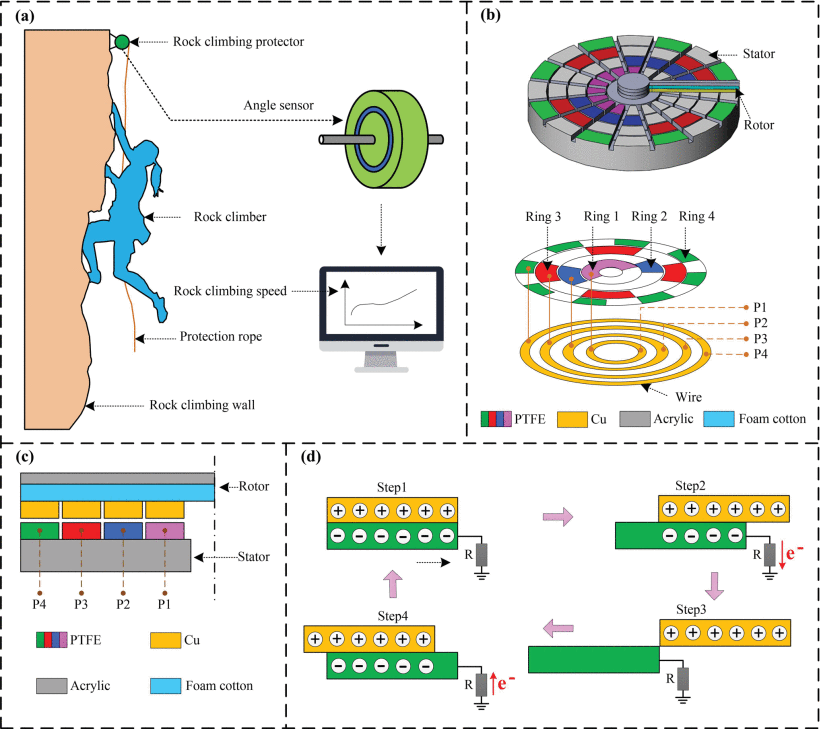
Rock climbing is an adventure or competitive sport in which monitoring speed is vital. It is measured using an angle sensor entangled with climbers, causing safety concerns. The self-powered angle sensor offers a practical alternative to conventional rock-climbing sensors. The proposed self-powered coded angle sensors based on a single-electrode triboelectric nanogenerator can accurately measure the rotation angle, direction, and speed in indoor and outdoor climbing, even without a power supply.
Hallway Gait Monitoring Using Novel Radar Signal Processing and Unsupervised Learning
Author: Hajar Abedi, Jennifer Boger, Plinio P. Morita, Alexander Wong, George Shaker
Published in: IEEE Sensors Journal (Volume: 22, Issue: 15, August 2022)
Summary Contributed by: Hajar Abedi (Author)
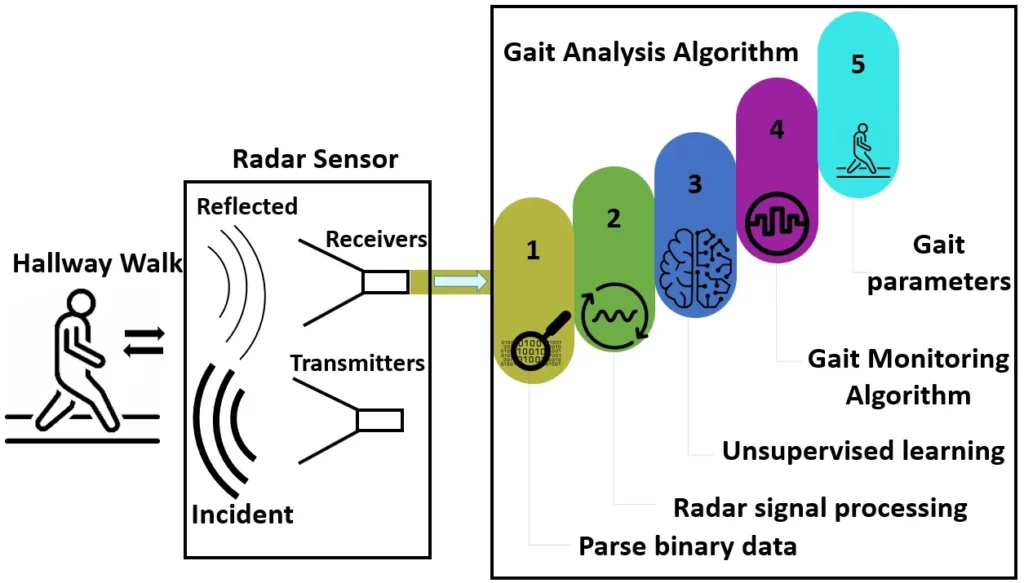
The novel hallway gait monitoring system developed leveraging radar signal processing and unsupervised machine learning introduces the future of personalized gait monitoring of individuals without wearable devices. It aims to create a system capable of monitoring human gait indoors and in natural settings using radar technology. This breakthrough architecture offers non-invasive and precise monitoring, paving the way for enhanced patient care and personal health insights.
Value of Information in Wireless Sensor Network Applications and the IoT: A Review
Author: Faiga Alawad, Frank Alexander Kraemer
Published in: IEEE Sensors Journal (Volume: 22, Issue: 10, May 2022)
Summary Contributed by: Anupama
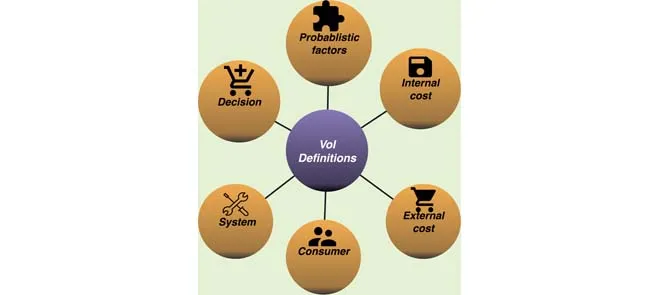
The Value of Information (VoI) is crucial in handling large data volumes in the Industrial Internet of Things (IIoT), filtering redundant information, and optimizing data processes. It is a key metric influencing path-planning algorithms, source switching, and trajectory optimization in mobile sensors. The paper systematically reviews VoI definitions, categorizing valuation methods and performance across applications, and provides guidelines for parameterized and adaptable VoI techniques to optimize diverse systems.
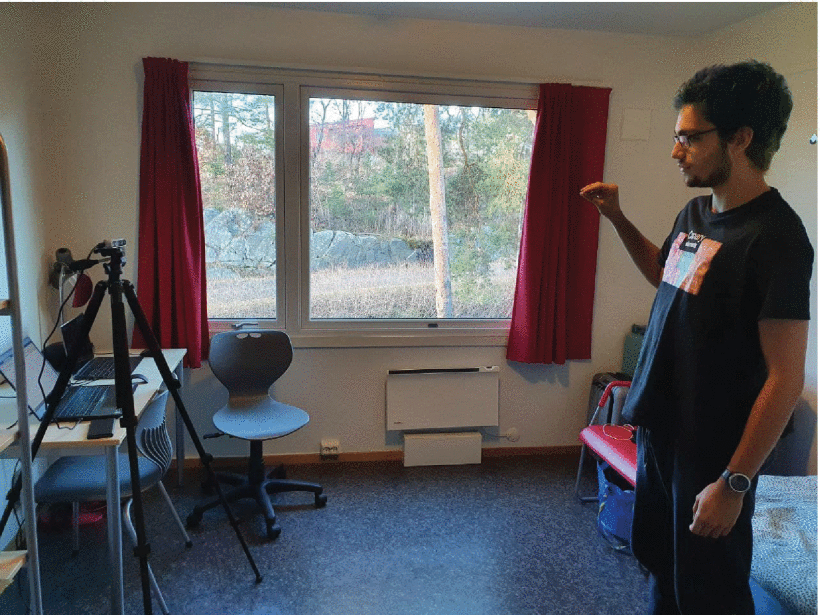
Hand gesture recognition has become an integral part of Human-Computer Interactions. The paper introduces a methodology using a video-based dataset and convolutional neural network (CNN) model. It utilizes an RGB-Depth camera to create a dataset of six distinct hand gestures. A lightweight CNN model is then developed to detect and classify hand movements. The experimental results highlight its accuracy and efficiency, facilitating its practical use in scenarios demanding precise gesture recognition.
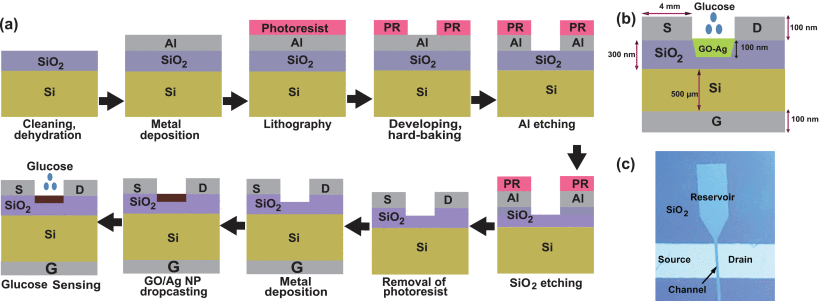
Non-Enzymatic Glucose Detection Based on GO/Ag Nanocomposite in SiO2 Trench Embedded Field Effect Transistor
Author: Monica Naorem, Roy P. Paily
Published in: IEEE Sensors Journal (Volume: 22, Issue: 16, August 2022)
Summary Contributed by: Saurabh Dubey
SiO2 trench-embedded Field Effect Transistors (FET) with a graphene oxide-silver ( GO/Ag) nanocomposite for non-enzymatic glucose detection are crucial for effective diabetes management by accurately monitoring glucose concentration range of 1 μM to 10 mM. Validated through structural analysis, the fabricated device structure exhibits excellent glucose storage and sensing abilities, ensuring stability, reproducibility, and selectivity. Compact and easy to produce, it has promising applications in portable glucose sensors for point-of-care diagnostics and healthcare.
An EEG Data Processing Approach for Emotion Recognition
Author: Guofa Li, Delin Ouyang, Yufei Yuan, Wenbo Li, Zizheng Guo, Xingda Qu, Paul Green
Published in: IEEE Sensors Journal (Volume: 22, Issue: 11, June 2022)
Summary Contributed by: Yufei Yuan (Author)
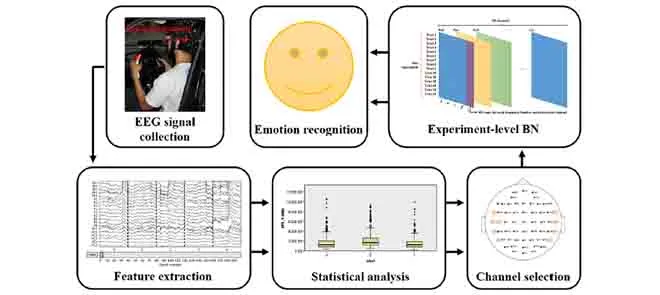
Emotion recognition has garnered interest from researchers because of its importance in affective computing. Facial expressions can mask human emotions. However, studies show that electroencephalogram (EEG) signals can recognize and identify human emotions. Hence, EEG has emerged as an alternate method for emotion recognition. The paper proposes a novel approach through a reduced number of EEG electrode channels and a normalization method, demonstrating its promising applications in real-time emotion recognition.
Technologies Driving the Shift to Smart Farming: A Review
Author: Nabila ElBeheiry, Robert S. Balog
Published in: IEEE Sensors Journal (Volume: 23, Issue: 3, February 2023)
Summary Contributed by: Vinay S Palaparthy
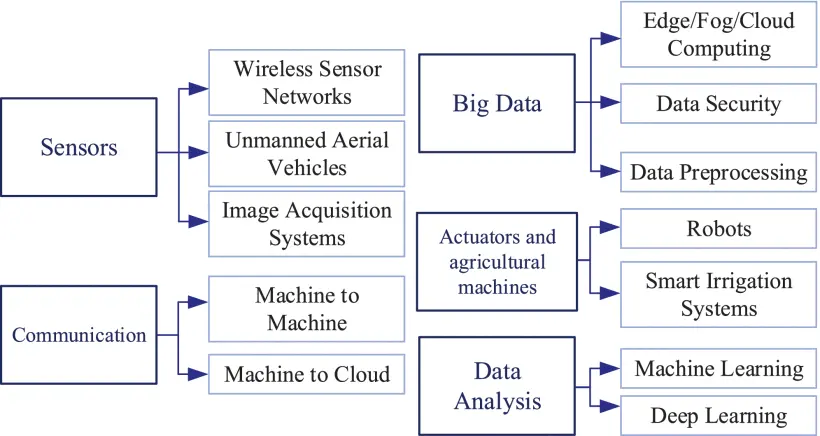
Agriculture requires sustainable solutions, especially when facing challenges like climate change, unqualified farmers, and urbanization. Smart farming (SF) helps enhance crop quality and quantity with minimal labor, ensuring sustainable agriculture and consistent food supply to meet the global food demand. This survey includes various themes like sensors, communication, big data, actuators, and data analysis. The article emphasizes integrating multiple technologies, highlighting popular SF systems: remote monitoring, autonomous, and intelligent decision-making.
Published in: IEEE Sensors Journal (Volume: 22, Issue: 15, August 2022)
Summary Contributed by: Satoshi Ikezawa (Author)
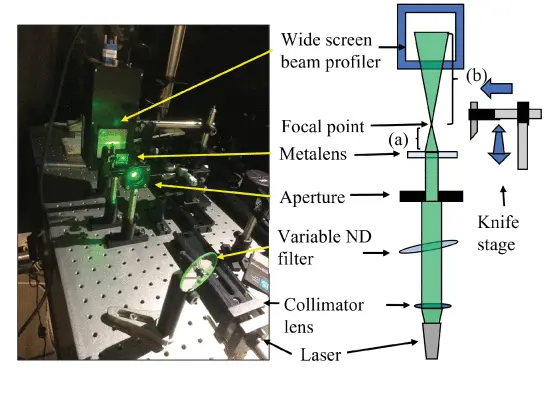
Material selection is crucial when designing and fabricating metasurfaces. The metasurface optical element produces a tightly focused beam from a visible laser, thus maximizing light utilization and minimizing energy loss. This study focuses on enhancing metasurface microfabrication precision and achieving remarkable light transmittance through traditionally impermeable silicon, providing opportunities for developing miniature wearable technology, cameras, and augmented reality (AR) devices and has significant implications for micro-scanning within confined spatial domains.
The human desire for accuracy in exploration and guided navigation has brought inventive changes in inertial sensors technology. Integrating inertial sensors with external aids like Doppler, star tracker, or Global Positioning Systems (GPS) improves their accuracy, enhances reliability, and helps overcome inertial drift. Its vast applications in autonomous vehicles, military and space technology, etc., demand the need for extremely low-cost, small size, efficient and batch-producible sensors.
Neglecting quality monitoring can lead to contamination and degradation of packaged food. Temperature variation during storage encourages the growth of microorganisms and bacteria, making supervision essential for quality control. Smart packaging with inbuilt temperature and strain sensors can detect these anomalies caused by microbial contamination. The sensor also incorporates an NFC (near field communication) tag and an LED (light emitting diode) indicator for user-friendly notification.
A non-profit organization, IEEE is the world's largest technical professional organization dedicated to advancing technology for the benefit of humanity.
Copyright 2023 IEEE – All rights reserved. Use of this website signifies your agreement to the IEEE Terms and Conditions
This site is also available on your smartphone.