Get exclusive breakthroughs on sensors in IoT, energy, healthcare, and more, delivered straight to your inbox.
"IEEE Sensors Alert" is a pilot project of the IEEE Sensors Council. Started as one of its new initiatives, this weekly digest publishes teasers and condensed versions of our journal papers in layperson's language.
Articles Posted in the Month (April 2023)
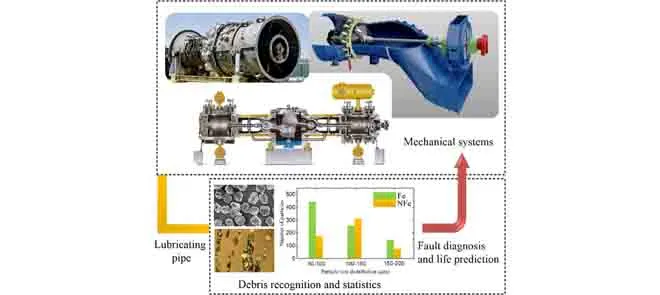
Online Wear Particle Detection Sensors for Wear Monitoring of Mechanical Equipment?A Review
Author: Ran Jia, Liyong Wang, Changsong Zheng, Tao Chen
Published in: IEEE Sensors Journal (Volume: 22, Issue: 4, February 2022)
Summary Contributed by: Laxmeesha Somappa
Mechanical equipment with moving parts is prone to wear that may lead to mechanical failures, damage, or even accidents. Monitoring the machinery to check its health and alert of any probable wear status is essential. The researchers here review the pros and cons of online wear particle detection sensors for real-time wear monitoring of the wear state of mechanical equipment.
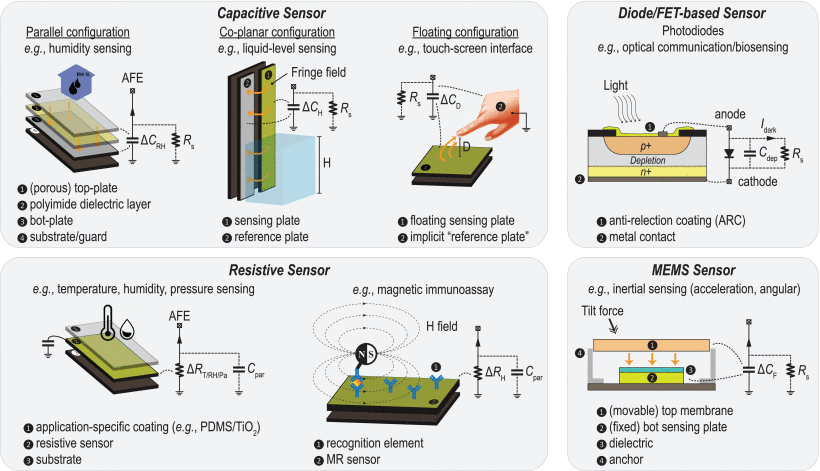
Current Sensing Front-Ends: A Review and Design Guidance
Author: Da Ying, Drew A. Hall
Published in: IEEE Sensors Journal (Volume: 21, Issue: 20, October 2021)
Summary Contributed by: Drew A. Hall (Author)
Sensors have become a part of everyday life, seamlessly connecting the physical and electronic worlds. The paper focuses on the current-output sensing technique, providing information and analytical study of various sensors and design guidance of current readout circuits. Additionally, state-of-the-art current-sensing frontends are analyzed concerning gain, bandwidth, stability, and noise. The paper presents insights into general design architectures and their performance tradeoffs.
Published in: IEEE Sensors Journal (Volume: 22, Issue: 2, January 2022)
Summary Contributed by: Pranjali Maru
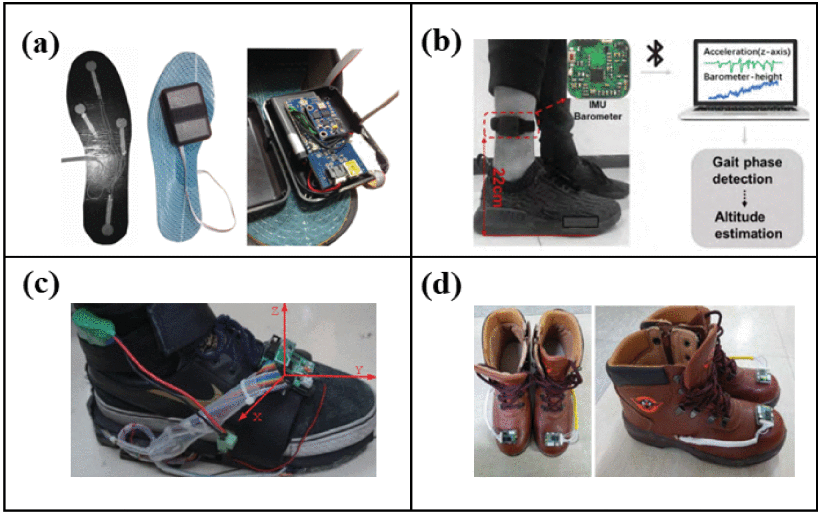
Wearable gait recognition systems incorporating MEMS (micro-electromechanical systems) sensors are in demand because of their pivotal use in disease prevention, robotics, and identity recognition. Data pre-processing, filtering, and segmenting can successfully assist in detecting human gait. The patterns of the gaits are then analyzed to derive meaningful results. This exciting new domain has proven to be a lifesaver time and again.
Published in: IEEE Sensors Journal (Volume: 21, Issue: 7, April 2021)
Summary Contributed by: Takuya Sakamoto (Author)
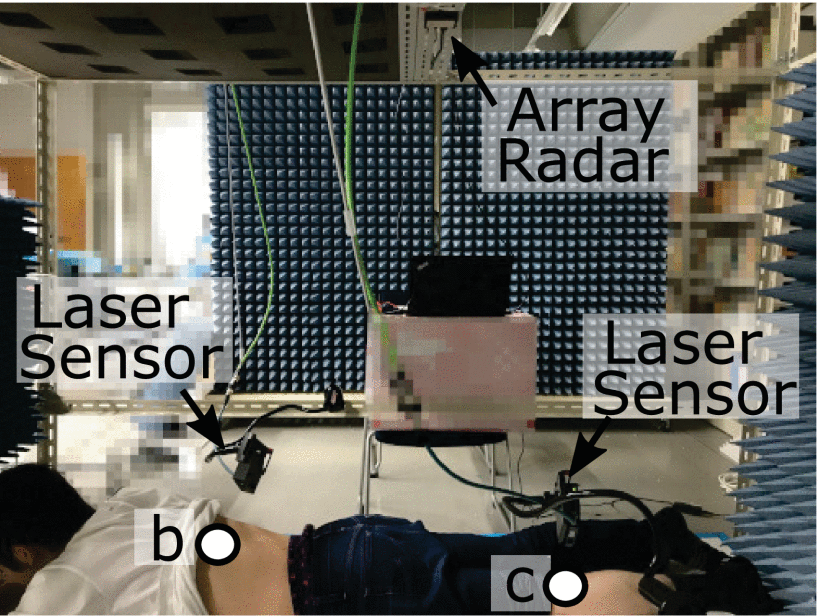
Early detection and diagnosis of Cardiovascular diseases save lives. The arterial pulse wave velocity (PWV) is one of the essential parameters to diagnose and monitor cardiovascular risk and condition. In the emerging trends of noncontact monitoring, the researchers experimentally demonstrated the accuracy of contactless technology for measuring arterial pulse wave propagation using an array radar system and laser displacement sensors that could replace contact monitoring.
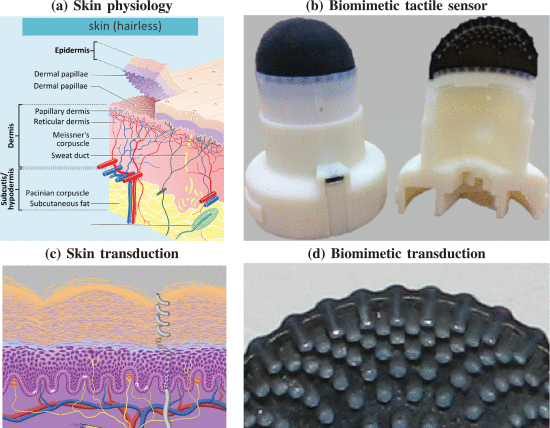
Soft Biomimetic Optical Tactile Sensing With the TacTip: A Review
Author: Nathan F. Lepora
Published in: IEEE Sensors Journal (Volume: 21, Issue: 19, October 2021)
Summary Contributed by: Dayarnab Baidya
The sense of touch has a different significance in the human body than other senses, like hearing, sight, smell, and taste. The dexterous use of our hands for touch depends on the intelligent use of tactile perception. However, robotic hands lack the same level of dexterity as human hands. The researchers are working to develop methods to simulate the capabilities of the human sense of touch in machines.
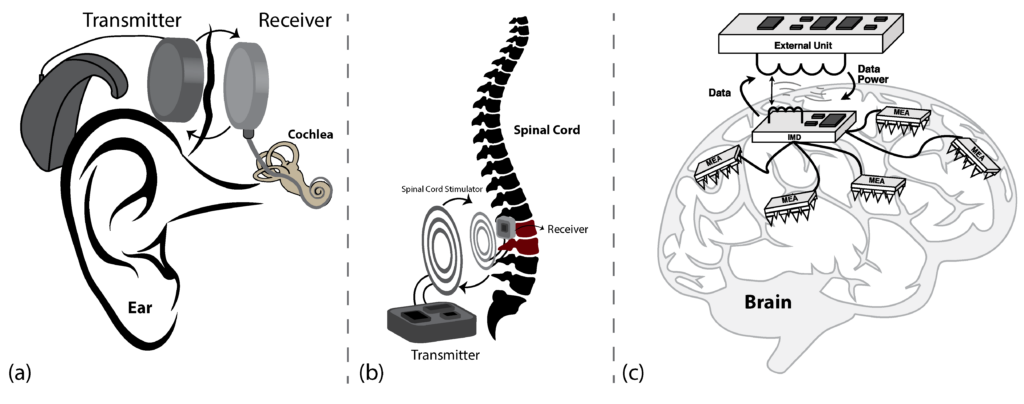
Wireless Power and Data Transmission for Implanted Devices via Inductive Links: A Systematic Review
Author: Mohammad Javad Karimi, Alexandre Schmid, Catherine Dehollain
Published in: IEEE Sensors Journal (Volume: 21, Issue: 6, March2021)
Summary Contributed by: Mohammad Javad Karimi (Author)
Implantable medical devices (IMD) are developed to control and report acquired biological data from an implanted device in the body or brain to an external stage for biomedical purposes. They receive power from batteries or wireless power transmissions (WPT). Due to their simplicity and safety, magnetic waves are extensively studied and developed for powering in biomedical applications.
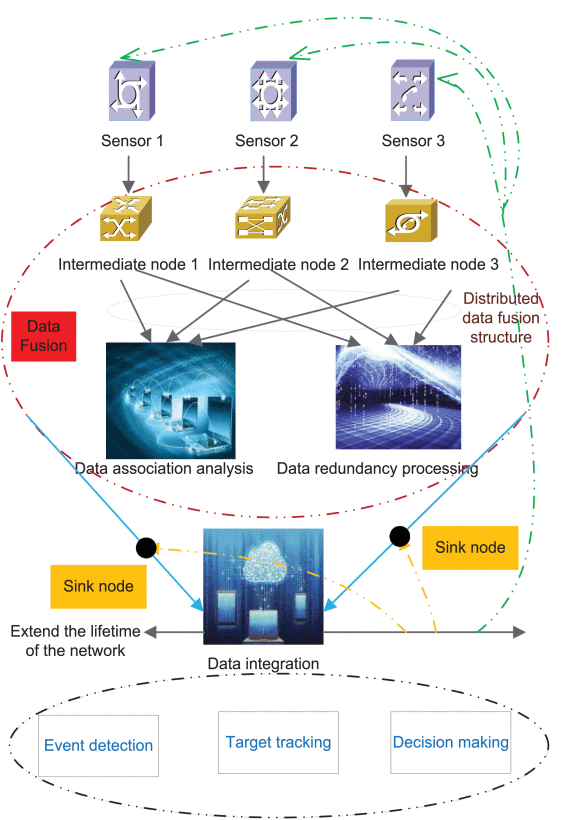
Multi-Sensor Complex Network Data Fusion Under the Condition of Uncertainty of Coupling Occurrence Probability
Author: Xianfeng Li, Sen Xu
Published in: IEEE Sensors Journal (Volume: 21, Issue: 22, November 2021)
Summary Contributed by: Payal Savani
Complex multi-sensor networks face challenges in storage management, data processing and resource optimization. Data fusion methods analyze and integrate diverse sensor information to produce coherent and accurate information. Researchers propose an adaptive weighted fusion algorithm on grouped sensor data that can efficiently reduce data redundancy, optimize resources, and lower network congestion. It showed higher accuracy and energy efficiency than other fusion algorithms.
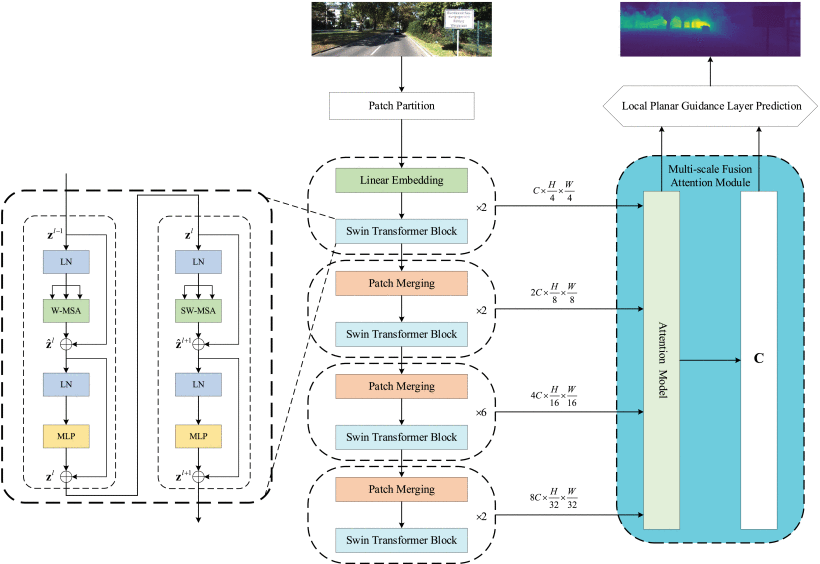
Swin-Depth: Using Transformers and Multi-Scale Fusion for Monocular-Based Depth Estimation
Author: Zeyu Cheng, Yi Zhang, Chengkai Tang
Published in: IEEE Sensors Journal (Volume: 21, Issue: 23, December 2021)
Summary Contributed by: Zeyu Cheng (Author)
Depth estimation using monocular sensors is an important and challenging task in computer vision. The paper proposes a monocular depth estimation network Swin-Depth, which estimates the depth of a scene from only a single image. The proposed method achieved state-of-the-art results on challenging datasets based on hierarchical representation learning in Transformer-based monocular depth estimation networks and multi-scale fusion attention. It provides an accurate and efficient solution to the depth estimation problem.
Chipless RFID Sensors for Wearable Applications: A Review
Author: Santanu Kumar Behera
Published in: IEEE Sensors Journal (Volume: 22, Issue: 2, December 2022)
Summary Contributed by: Anupama
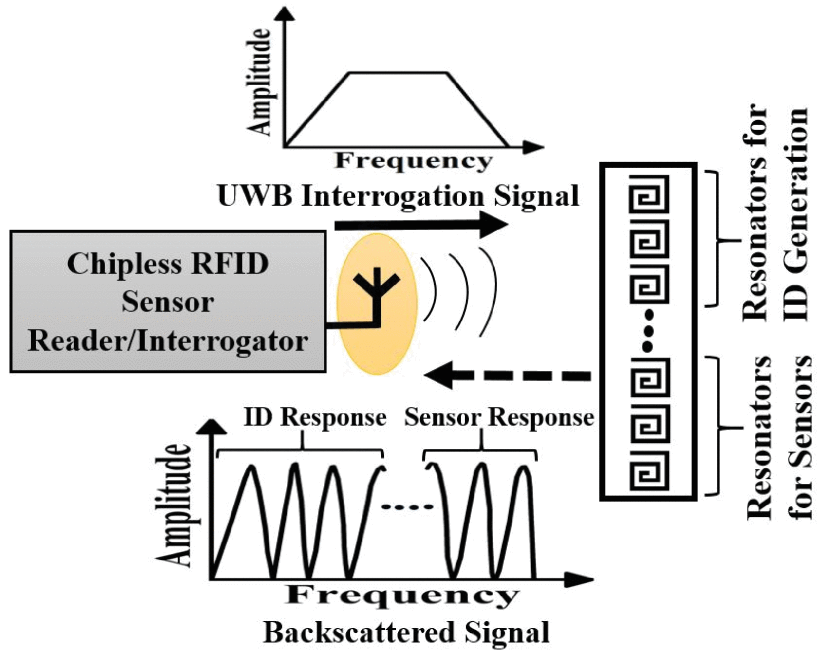
RFID-a radio-frequency identification technology, is gaining popularity as a wireless sensor for track and trace applications. The high cost of chipped-RFID tags makes them unsuitable for mass production. The Chipless-RFID tag is lightweight, durable, reliable, and energy-sufficient and can be mass-produced using inexpensive conductive inks or yarns. Improving range and data capacity in chipless-RFID tags could make them indispensable as wearables.
Realistic LiDAR With Noise Model for Real-Time Testing of Automated Vehicles in a Virtual Environment
Author: Juan P. Espineira, Jonathan Robinson, Jakobus Groenewald, Pak Hung Chan, Valentina Donzella
Published in: IEEE Sensors Journal (Volume: 21, Issue: 8, April 2021)
Summary Contributed by: Juan P. Espineira (Author)
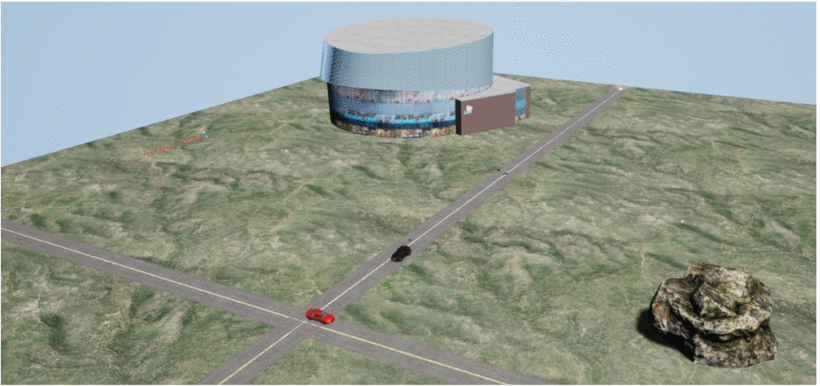
The advancement in the automotive industry has made connected automotive solutions a reality. However, real-time testing and evaluating the solutions in the virtual environment is crucial to validate their safety and reliability. The paper presents a simulated LiDAR model with a rain model that runs in real-time in a high-fidelity simulated environment. It enables real-time testing using LiDAR data to be completed in a virtual environment.
A silicon validation of an In-the-Loop Sampling Amplifier (ILSA) was proposed as a Hall sensor's core pre-conditioning analog interface circuit. It has the advantages of high one-step gain, low noise, low offset, and inherent anti-aliasing. It can be connected directly to any analog-to-digital converter. The resultant Hall system is a compact, low-noise readout architecture with a digital output.
The extensive use of electronic goods has accelerated the threat of the rise in electronics waste (e-Waste). Its unregulated disposal causes environmental and health issues. Despite international policies and associated legalization, the exponential growth in production of waste Printed Circuit boards (WPCBs), use of poor raw material and energy-hungry manufacturing processes have spiked this problem as unsustainable. The use of emerging eco-friendly materials, resource-efficient manufacturing processes, and new technologies are needed to improve the industry's sustainability.
A non-profit organization, IEEE is the world's largest technical professional organization dedicated to advancing technology for the benefit of humanity.
Copyright 2023 IEEE – All rights reserved. Use of this website signifies your agreement to the IEEE Terms and Conditions
This site is also available on your smartphone.