Get exclusive breakthroughs on sensors in IoT, energy, healthcare, and more, delivered straight to your inbox.
"IEEE Sensors Alert" is a pilot project of the IEEE Sensors Council. Started as one of its new initiatives, this weekly digest publishes teasers and condensed versions of our journal papers in layperson's language.
Articles Posted in the Month (April 2022)
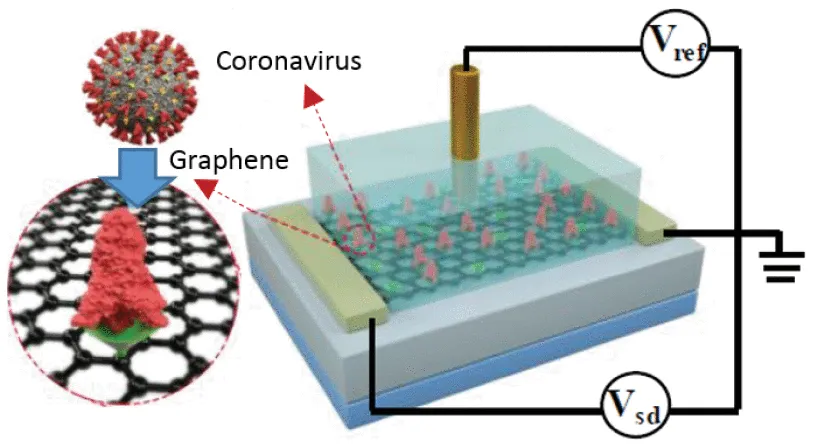
Portable Sensing Devices for Detection of COVID-19: A Review
Author: Deniz Sadighbayan, Ebrahim Ghafar-Zadeh
Published in: IEEE Sensors Journal (Volume: 21, Issue: 9, May 2021)
Summary Contributed by: Deniz Sadighbayan, Ebrahim Ghafar-Zadeh (authors)
Portable biosensing systems are crucial in deterrence, timely detection, and intensive care of pandemic-causing diseases like the disastrous COVID-19. The Global emergency led researchers to accelerate the development of portable diagnostic devices for recognizing SARS-CoV-2 and advancing the existing biosensor technology such as electrochemical, optical, and electrical for detecting other viruses and low viral loads.
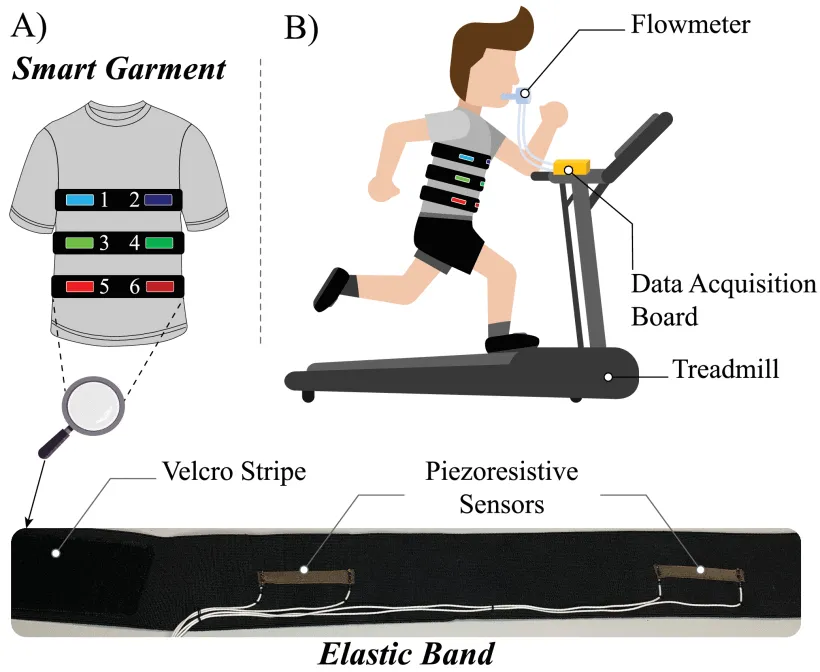
A PCA-based method to select the number and the body location of piezoresistive sensors in a wearable system for respiratory monitoring
Author: Luigi Raiano, Joshua Di Tocco, Carlo Massaroni, Giovanni Di Pino, Emiliano Schena, Domenico Formica
Published in: IEEE Sensors Journal (Volume: 21, Issue: 5, March 2021)
Summary Contributed by: Leena Jha
The optimal number and body location of piezoresistive sensors to design wearables for monitoring respiratory rate are still debated. A Principal Component Analysis (PCA) based method developed to address this challenge considered different references (i.e., at rest and during walking/running). Trials demonstrated that real-time situations strongly influence the number of sensors and their location to optimize wearable performances.
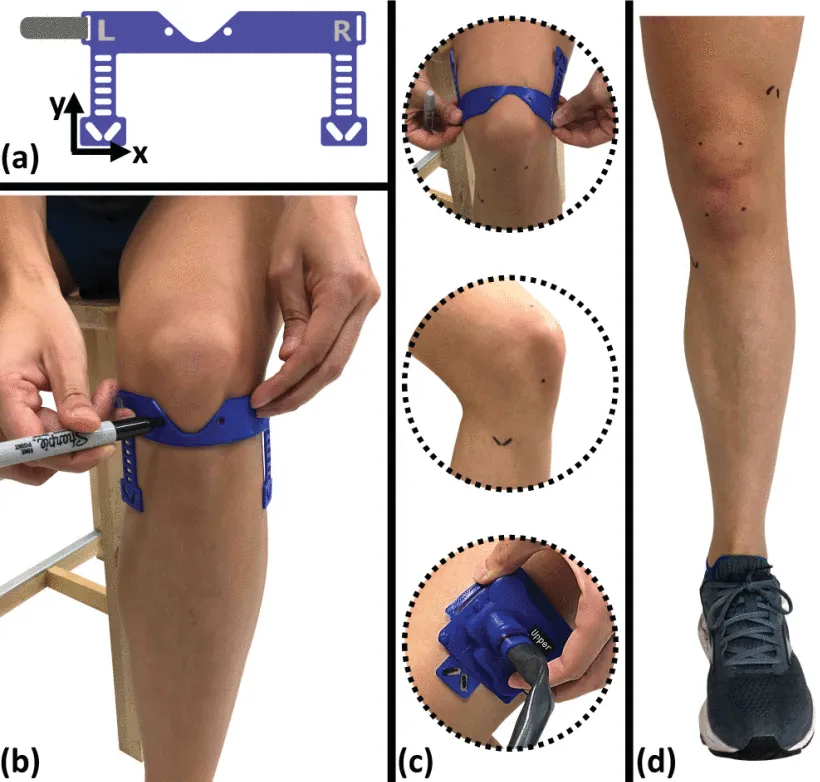
A Wearable, Multimodal Sensing System to Monitor Knee Joint Health
Author: Caitlin N. Teague, J. Alex Heller, Brandi N. Nevius, Andrew M. Carek , Samer Mabrouk , Florencia Garcia-Vicente, Omer T. Inan , Mozziyar Etemadi
Published in: IEEE Sensors Journal ( Volume: 20, Issue: 18, September 2020)
Summary Contributed by: Anupama
Knee injuries and other minor or chronic knee conditions are prevalent. Monitoring rehabilitation or medication progress in knee treatment is time-consuming, expensive, and requires regular imaging, follow-ups, and several tests. However, knee health can be monitored and “joint health score” calculated remotely with wearable sensors that pick up sound, swelling, temperature and motion. Packaging these sensors into a wearable brace is vital for monitoring the knee.
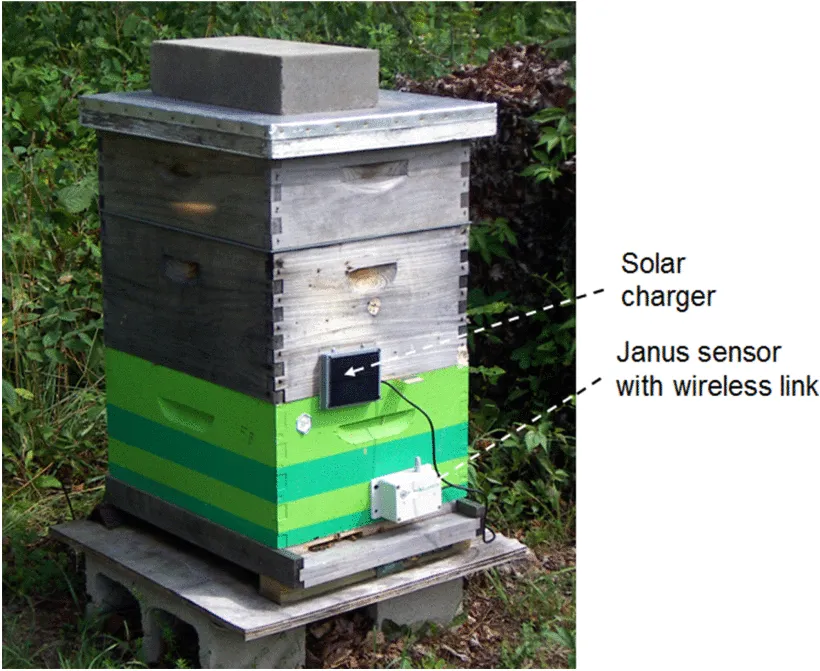
Janus: A Combined Radar and Vibration Sensor for Beehive Monitoring
Author: Herbert M. Aumann; Margery K. Aumann; Nuri W. Emanetoglu
Published in: IEEE Sensors Letters (Volume: 5, Issue: 3, March 2021)
Summary Contributed by: Anupama
The two-faced sensor system, JANUS, is designed to help beekeepers track bee activities like ‘Swarming’ and ‘Robbing’. The outward-looking Doppler radar monitors the bee flights while the inward-looking piezoelectric transducer senses the vibrations made by bees inside the hive. Researchers were able to use the level, duration and correlation between the two sensor signals to provide sufficient indication about different types of bee activity.
Author: Ernie W. Hill, Aravind Vijayaragahvan, Kostya Novoselov
Published in: IEEE Sensors Journal (Volume: 11, Issue: 12, December 2011)
Summary Contributed by: Anupama
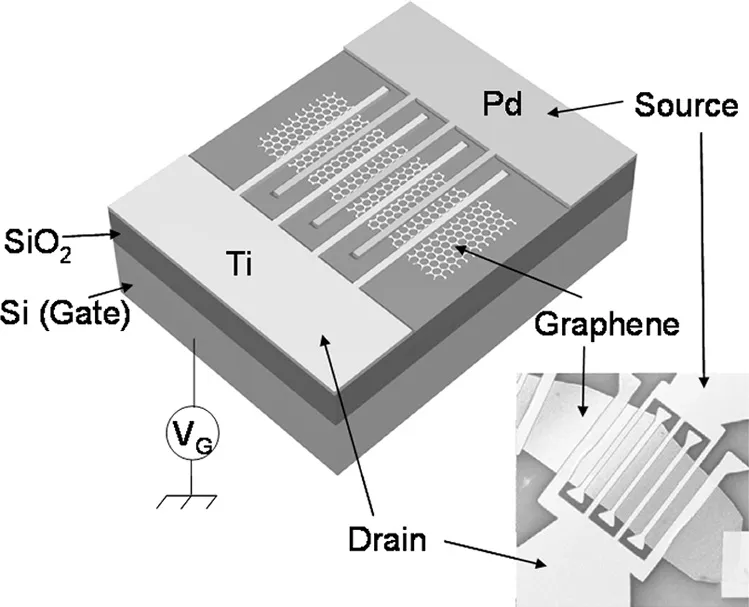
Graphene is often called a ‘miracle material’ due to its exceptional mechanical, electrical and chemical properties. It is a highly conductive, thinnest yet strongest, transparent and non-porous layer of pure carbon atoms in a honeycomb structure. Graphene has immense potential for fabricating various types of flexible sensors like mechanical, magnetic, electrochemical, biosensors, optical sensors etc.
Author: Anuj Kumar, Hiesik Kim, and Gerhard P. Hancke
Published in: IEEE Sensors Journal (Volume: 13, Issue: 4, April 2013)
Summary Contributed by: Jayraj Mulani
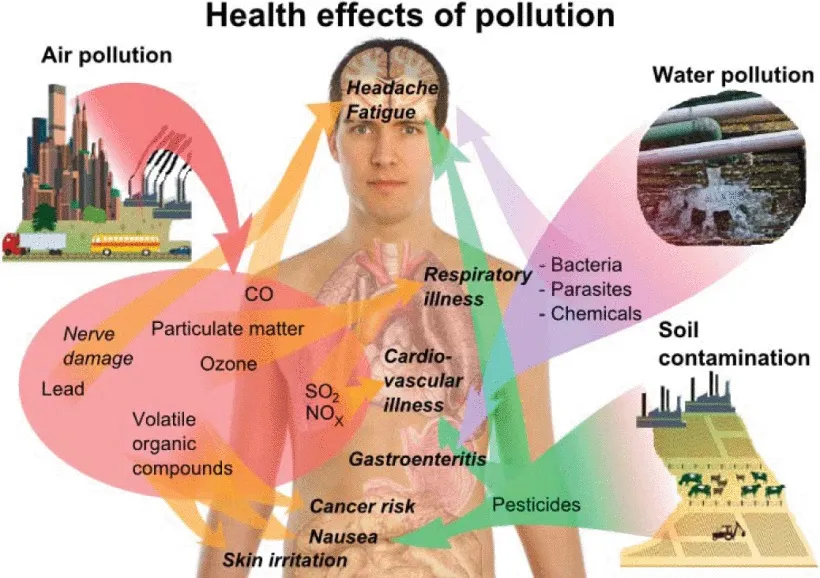
Humans are paying a heavy price for economic growth and overall development, whether infrastructure or industrial growth. The pollution and greenhouse gas emissions have led to environmental concerns and climate change, affecting health and life’s quality. However, a rise in environmental awareness created a demand for Environment monitoring systems (EMS) to detect the source and quantify the pollution level by providing a real-time data monitoring and alarm system.
Author: Sergi Foix, Guillem Alenyà, and Carme Torras
Published in: IEEE Sensors Journal (Volume: 11, No: 9, September 2011)
Summary Contributed by: Pranjali Maru
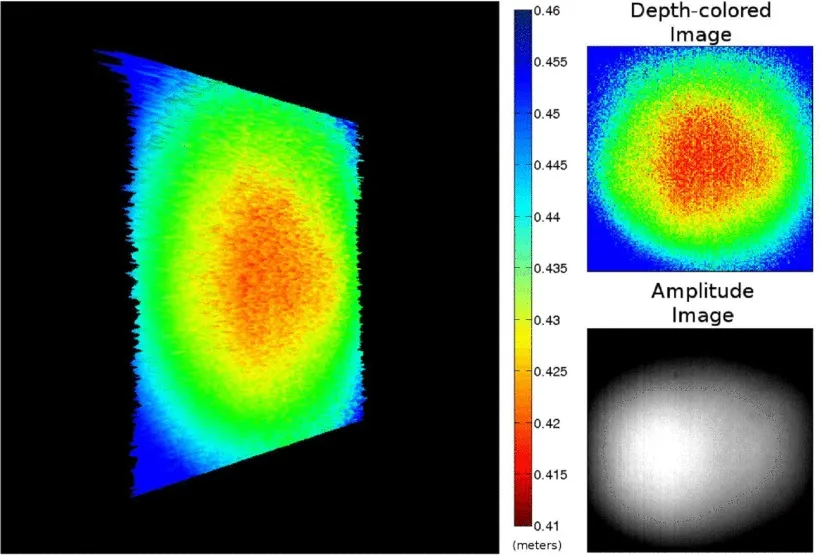
Time of Flight (ToF) camera sensor has emerged as a promising technology. Depth intensity pixel associated higher frame rate images, lightweight, compact design, and reduced power consumption and errors in the output have built great potential for ToF imaging in various domains. Despite its limitations like low resolutions and high noise, the ToF cameras are extensively used in computer graphics, machine vision, and robotics.
Published in: IEEE Sensors Journal (Volume: 1, No: 4, December 2001)
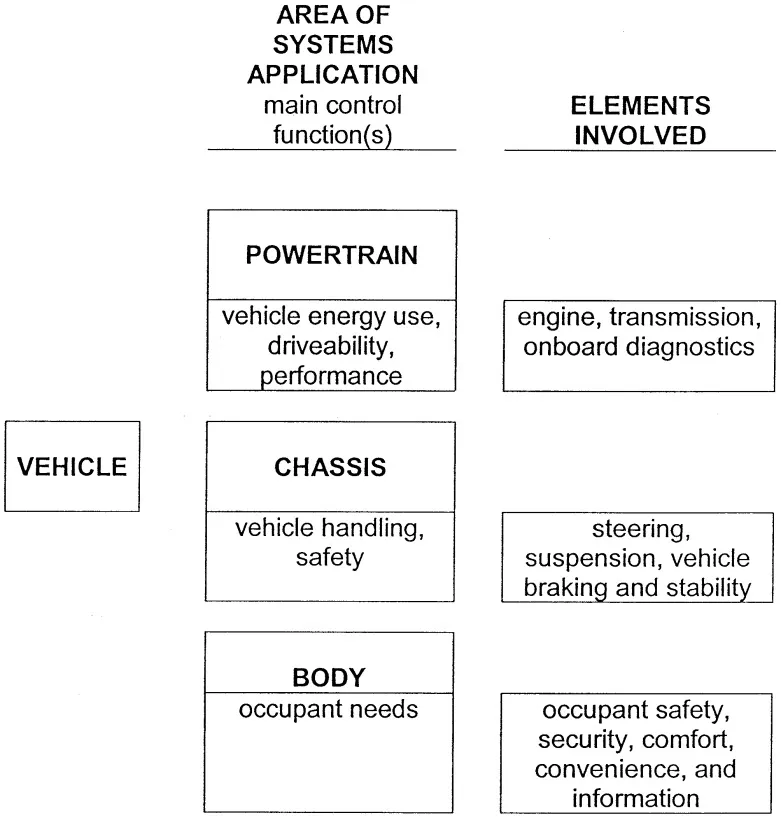
From mechanical to automatic to self-driven cars, the emerging sensors are revolutionizing the automobile industry. Sensors have emerged as essential components of the automotive electronic control system. The three major areas of automotive systems application–powertrain, chassis, and body are all controlled by arrays of sensors. Advancing automotive sensor technologies have a significant impact on the present with immense scope for the future development of automotive systems.
Published in: IEEE Sensors Journal (Volume: 1, Issue: 4, December 2001)
The human desire for accuracy in exploration and guided navigation has brought inventive changes in inertial sensors technology. Integrating inertial sensors with external aids like Doppler, star tracker, or Global Positioning Systems (GPS) improves their accuracy, enhances reliability, and helps overcome inertial drift. Its vast applications in autonomous vehicles, military and space technology, etc., demand the need for extremely low-cost, small size, efficient and batch-producible sensors.
A Wireless, Passive Carbon Nanotube-Based Gas Sensor
Author: Keat Ghee Ong, Kefeng Zeng, and Craig A. Grimes
Published in: IEEE Sensors Journal (Volume: 2, Issue: 2, April 2002)
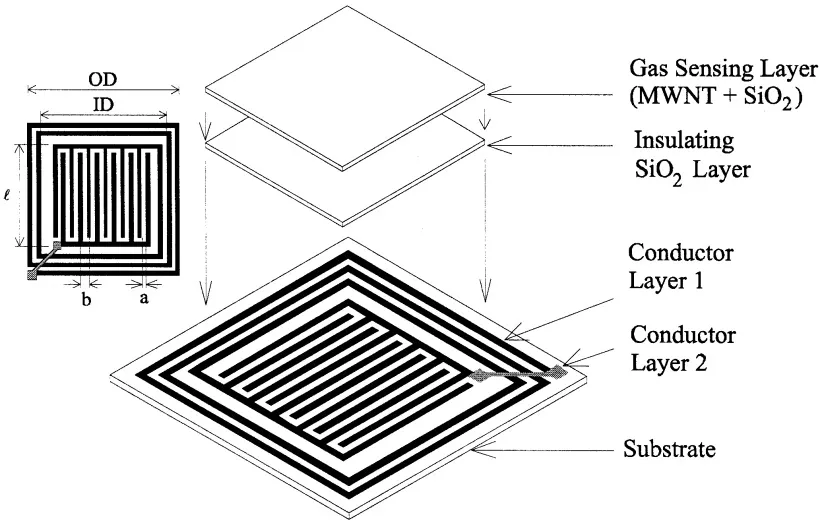
Multiwall carbon nanotube-silicon dioxide (MWNT-SiO2) coated composite surface has been developed as a linear, responsive, sensitive gas sensors for O2, CO2 and NH3 gases. The presence of gas concentration is measured by measuring corresponding changes in permittivity and conductivity of MWNT which consequently changes its resonant frequency. The advent of MWNT-SiO2 offers an enormous potential to build low cost, highly sensitive, linear, passive, portable, low power wireless gas sensors.
Wearable electronics, mobile applications, the Internet of Things (IoT) technology, and remote monitoring have revolutionized the health care system. The technological advancement in microfabrication techniques has enabled miniaturization and multi-sensing biosensors devices to monitor vital parameters in bioprocesses. Along with its multiple benefits like compact size, low cost, low power consumption, it can also monitor Cell’s density, oxygen, lactate, glucose, temperature, and pH in real-time.
Electronic textiles (E-textiles) have recently emerged as a promising technology and will soon transform the wearable industry. Due to its flexibility and ease of embedding in garments, wearable sensing has become a favourite choice for continuous health monitoring of athletes and medical patients. Advancements in textile-based sensors significantly impact the quality of life and will play an important role in the field of Internet of Things (IoT).
A non-profit organization, IEEE is the world's largest technical professional organization dedicated to advancing technology for the benefit of humanity.
Copyright 2023 IEEE – All rights reserved. Use of this website signifies your agreement to the IEEE Terms and Conditions
This site is also available on your smartphone.