




Optical Fiber Integrated Photoelectrochemical Sensing Patch: Toward Noninvasive Blood Glucose Detection
Living with diabetes means regular monitoring and keeping track of blood sugar levels. But the usual finger-prick tests can be painful and inconvenient, and may require assistance. Because of this, many people, especially children, older adults, and those scared of needles, find it hard to stick with testing over time. To make glucose monitoring more comfortable and accessible, researchers are exploring non-invasive alternatives to conventional blood test methods.
Glucose levels in body fluids, such as tears and sweat, closely mirror those in blood. Since sweat is easier to collect than tears or other fluids, researchers have chosen it as the preferred medium for non-invasive glucose detection. However, glucose concentrations in sweat are far lower than in blood, making accurate detection challenging. This study presents a novel type of compact, wearable photoelectrochemical (PEC) sensing patch that explores light and chemistry to rapidly and reliably detect glucose in sweat.
At the heart of the patch is an optical fiber—a thin, flexible strand that guides light and also serves as the sensor’s active surface and a printed electrode. The optical fiber is coated with several specialized layers. These include materials that facilitate the conduction of electricity, absorption of light, and interact specifically with glucose molecules.
One key layer contains an enzyme called glucose oxidase, which reacts only with glucose and helps convert its presence into an electrical signal. To allow light to pass through while still conducting electricity, the optical fiber is coated with a clear, conductive layer. When worn during physical activity, the patch collects sweat and uses light to trigger a chemical reaction. This reaction generates a small electrical current that varies depending on the amount of glucose present.
The patch is designed to be thin and flexible, allowing it to stick comfortably to the skin. Tests show that the patch can detect glucose concentrations as low as 3.5 micromolar and respond in under one second. It works across a wide range of glucose levels typically found in human sweat. Most importantly, the sensor is highly selective. It responds to glucose while ignoring other substances commonly found in sweat, such as salts and hormones.
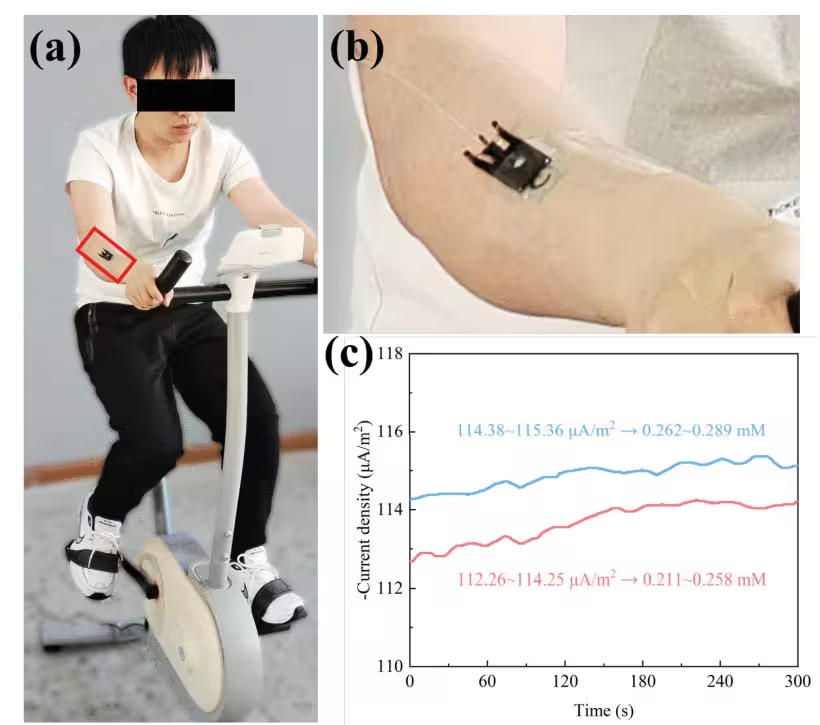
In real-world trials, the patch successfully measured sweat glucose levels in volunteers after exercise. Its fast response and reliable performance suggest it could be used for continuous, real-time monitoring, offering a pain-free alternative to traditional blood tests.
This innovative patch can easily be adapted to measure more than just glucose. By modifying its enzyme materials, it can detect other substances in sweat, making it helpful in tracking hydration, stress, and even the early signs of disease.
The optical fiber–based PEC sensor patch prototype presented in this study is the first of its kind and represents a meaningful step toward non-invasive health monitoring. It combines comfort, speed, and accuracy in a wearable format, making it a promising tool for improving diabetes care and expanding the possibilities of wearable biosensing.